2026 Best Led Display Screen for Global Buyers Insights?
In recent years, the demand for LED display screens has surged globally. These screens are known for their vibrant colors and high brightness. They are used in various sectors, from advertising to entertainment. As we look toward 2026, buyers must remain informed about the latest trends and technologies in the LED display industry.
LED display screens offer numerous advantages, yet they also come with challenges. Quality can vary significantly between brands. Understanding the differences is crucial for making informed purchases. Reliable suppliers provide detailed specifications and fulfill warranties, allowing buyers to trust their choices fully.
Global buyers face the task of selecting the best LED display screens. Price is often a key factor, but it shouldn't overshadow quality. As technology evolves, the market will see new innovations. Buyers should consider their specific needs while staying updated on industry developments.
The Evolution of LED Display Technology: Key Milestones
The LED display technology has undergone significant transformation over the years. Initially, LED screens were limited in size and color range, offering basic functionalities. However, as demand for high-quality visuals grew, advancements in technology led to brighter, more vibrant displays. Today, modern LED screens showcase millions of colors, providing an immersive viewing experience.
Key milestones in this evolution include the introduction of organic light-emitting diodes (OLED) and the development of flexible displays. These innovations have expanded the application of LED technology beyond traditional screens. For example, flexible OLED displays allow for curvature and unique shapes in installation, appealing to various design aesthetics. Nonetheless, the rapid advancement has also brought challenges, such as the need for proper recycling measures for outdated screens.
As the industry continues to innovate, there’s room for improvement in efficiency and sustainability. Many users are still unaware of energy consumption levels associated with LED displays. This presents an opportunity to educate consumers on making informed choices. Balancing aesthetic advancements with environmental responsibility remains a critical area of focus moving forward.
Types of LED Display Screens Available in 2026
In 2026, LED display screens will offer a variety of options tailored to diverse needs. From outdoor billboards to indoor monitors, the applications are vast. Outdoor LED screens boast high brightness levels, ensuring visibility in sunlight. These screens are designed to withstand harsh weather conditions, enhancing their durability. Indoor displays, on the other hand, focus on rich colors and crisp images. They create immersive experiences for events and exhibitions.
Another interesting category is transparent LED displays. These innovative screens allow viewers to see through while presenting images. They're popular in retail environments, blending functionality with aesthetics. Additionally, foldable and flexible LED screens are emerging. These formats provide unique viewing angles and adapt to various spaces, pushing design boundaries.
Despite these advancements, challenges remain. Not all LED technology is energy efficient, leading to higher operational costs. Some users may find installation complicated due to varying requirements. Understanding these limitations is crucial for effective decision-making. Selecting the right type of LED display demands careful evaluation of needs and environments.
Factors to Consider When Choosing an LED Display Screen
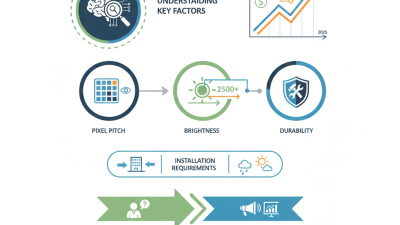
When selecting an LED display screen, several factors come into play. The screen's resolution is paramount for clarity. A higher resolution will ensure the content appears sharp and engaging. Consider the pixel pitch as well. A smaller pixel pitch means the display can be viewed from closer distances without losing image quality.
Brightness is another crucial aspect. Outdoor displays need high brightness levels to combat sunlight. Indoor screens can rely on lower brightness but should still be vivid enough to catch attention. Durability matters too. An LED display should withstand various environmental conditions, especially if placed outdoors.
Lastly, evaluate user-friendliness. A complicated setup can lead to frustrations. Look for screens with intuitive interfaces for easier operation. While numerous options exist, assessing these elements can help avoid common pitfalls in your selection process.
Market Trends Influencing LED Display Screen Purchases
The LED display screen market is evolving rapidly. Buyers now consider various factors influencing their purchases. Market trends show a strong shift towards energy efficiency and sustainability. Eco-friendly displays not only reduce power consumption but also attract environmentally conscious consumers. Technological advancements further enhance image quality and functionality. These improvements create a competitive edge for manufacturers.
When selecting an LED display, focus on resolution and brightness. A higher resolution delivers clearer images, while adequate brightness ensures visibility in daylight. Consider how these factors will enhance your audience's experience. Evaluate your specific needs before making a decision. This reflective approach can prevent costly mistakes.
Buyers should also stay updated on emerging technologies. Features like interactive capabilities and smart integrations are gaining traction. They’re not just trends; they represent the future of display technology. Be mindful, though. Investing in a cutting-edge product may lead to unexpected complexities in operation. Balancing innovation with usability is key.
2026 Best Led Display Screen for Global Buyers Insights
| Screen Size (Inches) |
Resolution (Pixels) |
Brightness (nits) |
Refresh Rate (Hz) |
Average Price (USD) |
Market Share (%) |
| 32 |
1920 x 1080 |
250 |
60 |
400 |
15 |
| 55 |
3840 x 2160 |
500 |
120 |
900 |
25 |
| 75 |
7680 x 4320 |
700 |
144 |
1500 |
35 |
| 100 |
1920 x 1080 |
350 |
60 |
1200 |
10 |
| 85 |
2560 x 1440 |
600 |
120 |
1300 |
20 |
Top Brands and Manufacturers of LED Display Screens in 2026
In 2026, the LED display screen market is thriving. Manufacturers are innovating to meet global demands. Buyers can find a range of options that cater to different needs, from indoor shows to large outdoor events. This adaptability is crucial in a rapidly evolving digital landscape.
Several leading brands are building their reputations on quality and technology advancements. Many are focusing on high-resolution displays, ensuring vibrant visuals. Clients appreciate lighter designs that make installation simpler. Yet, there are challenges. Some manufacturers struggle with consistent quality across their product lines. This inconsistency can lead to buyer frustration.
Another important aspect is customer service. Buyers value support and assistance during installation and maintenance. Not all brands excel in this area. There is room for improvement. Insights from users indicate a desire for better training and resources. Emphasizing these elements can foster trust and reliability in the industry.

 +86-750-3598205
 CONTACT NUMBER