Acrylic Seg Light Box Tips for Eye Catching Displays?
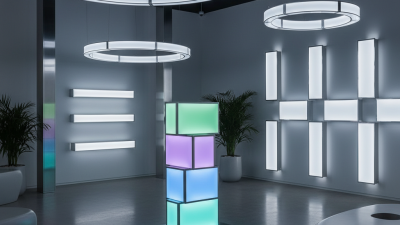
In the world of retail and advertising, visual appeal is crucial. Research indicates that customers are 70% more likely to engage with brands that utilize eye-catching displays. One effective tool for creating striking presentations is the Acrylic Seg Light Box. This product enhances visibility and grabs attention, making it a preferred choice for many businesses.
The Acrylic Seg Light Box not only provides vibrant illumination but also offers versatility in design. Businesses that incorporate these light boxes can boost foot traffic, ultimately leading to increased sales. However, not all displays achieve the desired impact. It is vital to consider positioning, graphics, and the overall aesthetic to maximize effectiveness.
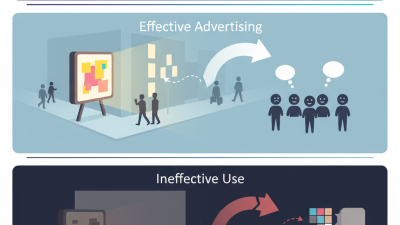
While the Acrylic Seg Light Box presents many advantages, businesses must avoid common pitfalls. Overloading the box with text or complex images can detract from its purpose. Carefully curated content can engage viewers without overwhelming them. Understanding how to balance information and design is essential for success.
Choosing the Right Acrylic Material for Seg Light Boxes
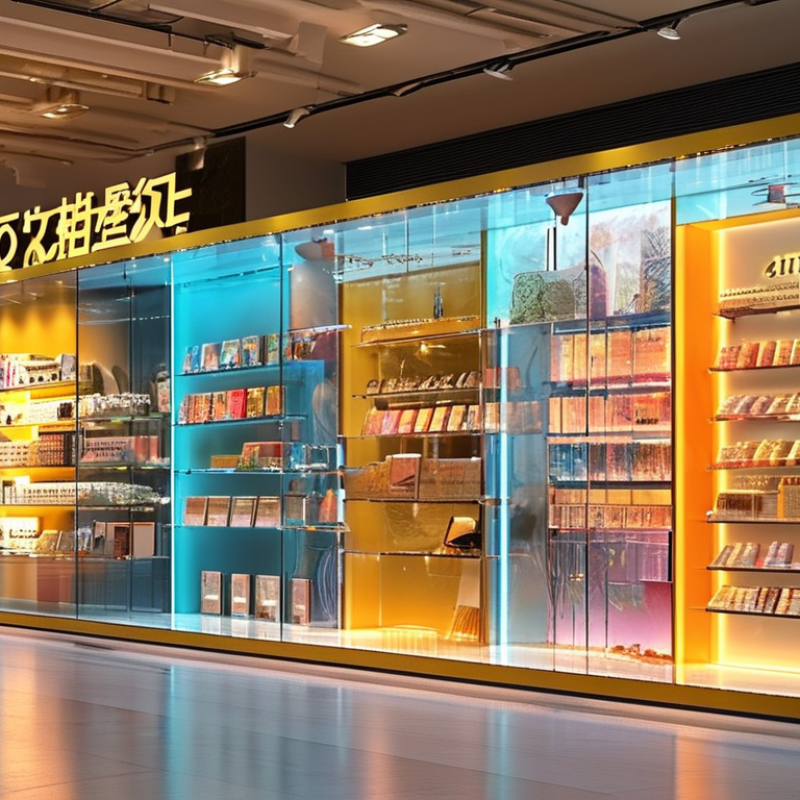
When selecting acrylic material for SEG light boxes, clarity and thickness are essential. Acrylic sheets typically vary in thickness from 1/8 inch to 1 inch. Thicker materials offer enhanced durability but can add weight, complicating installation. In many cases, a thickness of 1/4 inch strikes a balance between sturdiness and manageability. Research indicates that acrylic provides up to 92% light transmission, making it an excellent choice for illuminated displays.
Another important factor is UV resistance. High-quality acrylic can resist yellowing over time, ensuring that graphics remain vibrant. An industry report found that over 60% of display failures were due to material degradation from UV exposure. Choosing a UV-resistant acrylic can mitigate this risk and prolong the lifespan of light boxes. However, it is crucial to recognize that not all acrylic sheets have this protective quality. A reliable supplier can provide transparency regarding the UV protection level.
Cost is also a consideration in material selection. Premium acrylic can be costlier, yet the long-term benefits may justify the investment. A comprehensive comparison of available materials could uncover hidden costs. Sometimes, opting for lower-quality acrylic can result in frequent replacements and subsequent expenses. This reflection can guide businesses toward smarter, more sustainable choices in their displays.
Design Principles for Effective Light Box Displays
When designing light box displays, consider your audience's perception. The placement of colors is crucial. Bright colors catch attention, while softer tones evoke calmness. Use contrasting colors to highlight key messages. The balance between colors increases legibility, enhancing communication. Aim for a harmonious blend to maintain viewer interest.
Lighting plays a significant role as well. Proper illumination makes the display pop. LED options are energy-efficient and provide a vibrant glow. Avoid harsh lights, which can create glare. Aim for a gentle, inviting brightness. Placement is key; ensure that light angles enhance visibility without overshadowing the content.
Simplicity is often underrated. Clutter can distract from your core message. Ensure that visual elements are focused and easy to understand. Experiment with different layouts, but remain consistent in style. Not every design will resonate with your audience. Reflect on feedback, and adjust as necessary. Even small tweaks can lead to significant improvements in viewer engagement.
Acrylic Seg Light Box Displays: Brightness vs. Time of Day
Lighting Types and Their Impact on Acrylic Display Quality
When creating acrylic seg light boxes, the type of lighting used significantly influences the display quality. LED lights are a popular choice because they are bright and energy-efficient. They emit less heat, minimizing the risk of damage to the acrylic material. However, not all LED lights are created equal. Some might cast an uneven glow, resulting in shadowy areas on your display. Finding the right LED quality can be a trial-and-error process, but it’s crucial for a professional finish.
Fluorescent lights also offer advantages. They provide a broader spectrum of light, which can enhance the vibrancy of colors. Yet, they may generate more heat, potentially warping the acrylic if not managed. Using diffusers with fluorescent lights can help, but the setup requires careful consideration. It's essential to assess how each light type impacts the overall aesthetic and durability of the display.
Ultimately, the lighting you choose affects customer engagement. Dull light might fail to attract attention. Bright, well-distributed light enhances product visibility. Experimenting with different lighting placements can yield surprising results. Be prepared to adjust and learn from your setup. The choices you make here can define the success of your display.
Maintenance Tips for Longevity of Acrylic Seg Light Boxes
Acrylic SEG light boxes are popular for displaying vibrant graphics. However, proper maintenance is crucial for their longevity. Regular cleaning helps keep the acrylic surfaces clear and bright. Use a soft cloth with a mild detergent. Avoid ammonia-based cleaners; they can damage the acrylic.
Check the light source regularly. LED lights are efficient but may dim over time. Replace any burnt-out bulbs promptly to maintain the overall brightness of your displays. Ensure the power supply is functioning well to prevent flickering lights.
Store acrylic panels carefully when not in use. Excessive heat or direct sunlight can warp the material. Keep them in a cool, dry place. It’s easy to overlook these details, yet proper storage can significantly extend the life of your light box. In trying to enhance your displays, remember that small, consistent maintenance tasks make a substantial difference over time.
Placement Strategies for Maximum Visibility and Impact
When using acrylic seg light boxes, placement is crucial for capturing attention. Position your light box where it will be seen from multiple angles. This could be near entrances or high-traffic areas. A corner display may draw people in, but it can also limit visibility. Evaluating foot traffic patterns is essential.
Consider the height of the display. A light box that is too high may not engage passersby. Conversely, if it’s too low, it may be overlooked. The ideal height allows viewers to easily read the content. Test different heights to find what resonates with your audience.
Lighting plays a vital role in visibility. Natural light can enhance the display, but also create glare. Artificial lighting should complement the light box, not overpower it. Experimenting with different placements can reveal surprising results. Each environment provides unique challenges and possibilities. Keep a flexible mindset to adapt strategies as needed.

 +86-750-3598205
 CONTACT NUMBER