Top China Best Led Display Screen Suppliers for Global Buyers?
In the dynamic world of display technology, the "Led Display Screen" market continues to evolve. Experts are constantly assessing the latest trends and innovations. According to Dr. Jane Liu, a prominent figure in this sector, “The future of visual communication relies heavily on the advancements in LED display technology.” Her insights reveal the essential role that quality suppliers play in this landscape.
China has emerged as a leading hub for manufacturing LED display screens. The country boasts numerous suppliers known for their competitive pricing and innovative products. Buyers globally are exploring these options to elevate their visual communication strategies. However, the vast number of suppliers can be overwhelming, and selecting the right one requires careful consideration.
Quality is paramount when choosing an LED display screen supplier. Buyers should not only look at price but also the reputation and reliability of the manufacturer. With rapid advancements, some suppliers may not maintain consistent quality standards. Therefore, conducting thorough research is crucial. The right partner can significantly impact the effectiveness of visual presentations and brand visibility.

Overview of the LED Display Screen Market in China
The LED display screen market in China has seen significant growth in recent years. This is largely due to advancements in technology and increased demand for high-quality visual displays. Businesses across various sectors are investing in LED screens for advertising, events, and broadcasting. The vibrant colors and energy efficiency of these displays make them attractive options for companies.
Despite the market's expansion, challenges exist. Not all suppliers maintain consistent quality and reliability. Some manufacturers might cut corners to reduce costs. Quality assurance is crucial when choosing a supplier. Buyers should conduct thorough research to evaluate company credibility. Look for suppliers with a solid track record and positive customer feedback.
In addition, the competition among Chinese suppliers can create confusion. Different suppliers offer varying specifications and features, complicating the decision-making process. Buyers must clearly define their specific needs before making a selection. This practice helps ensure that the chosen LED display fits the intended purpose and delivers the expected performance.
Key Features and Advantages of LED Display Screens
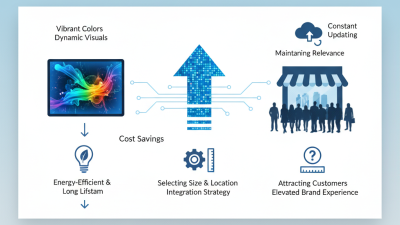
LED display screens are becoming increasingly popular in various sectors. They offer vibrant colors and high brightness levels, making them suitable for both indoor and outdoor use. Many users appreciate the versatility of these screens. They can be customized in size and shape, which is beneficial for unique installations.
One key advantage is energy efficiency. LED screens consume less power compared to traditional display technologies. This not only reduces operational costs but also benefits the environment. However, the upfront investment can be significant. Businesses must weigh their options carefully before making a decision.
Furthermore, the durability of LED screens is an essential feature. They are resistant to shock, making them ideal for high-traffic areas. On the downside, if not properly maintained, brightness can diminish over time. Users often overlook regular upkeep, which could impact performance. Choosing reliable suppliers can ensure better longevity and consistent quality for these displays.
Top Suppliers of LED Display Screens in China
When it comes to sourcing LED display screens, China stands out as a leader in the global market. According to recent reports, the LED display market was valued at approximately $6 billion in 2020, with projections showing it could reach over $10 billion by 2025. This growth is driven by increasing demand from various sectors, including advertising, transportation, and sports events. The versatility of LED technology makes it suitable for both indoor and outdoor applications.
For buyers, finding reliable suppliers is essential. Quality control is often a concern, especially for bulk orders. Some suppliers may provide inconsistent product quality, which can impact a buyer's reputation. It’s crucial to conduct thorough research to ensure suppliers meet industry standards. Verifying certifications and performance metrics remains a best practice.
Tip: Always ask for product samples before placing a large order. Assessing the quality firsthand can save major headaches later.
Additionally, consider the supplier's ability to provide technical support and after-sales service. Many suppliers may overlook this aspect, leaving buyers to navigate issues alone. A solid partnership often relies on mutual support and clear communication.
Tip: Build a good relationship with your supplier. Open dialogue can lead to better deals and improved service.
Sourcing from China can indeed be beneficial, but careful selection of suppliers can lead to successful outcomes.
Criteria for Selecting the Best LED Display Supplier
When selecting the best LED display supplier, buyers need robust criteria. A credible supplier should have relevant industry experience and a strong track record. According to industry reports, nearly 70% of successful installations depend on the supplier's prior projects. Buyers should ask for case studies or references from similar projects. A portfolio showcasing diverse applications adds reliability.
Quality control is paramount. Suppliers should adhere to international standards. For instance, ISO certification indicates adherence to stringent processes. It's worth noting that around 15% of displays fail during installation due to poor quality materials. Ensuring a supplier’s components are top-notch can mitigate such risks.
Pricing structures are also crucial. Transparent pricing helps avoid unexpected costs. Recent studies reveal that 40% of buyers face budget overruns due to hidden fees. Buyers need to clarify warranty terms and service agreements too. Understanding these aspects reveals a supplier's commitment to post-installation support. Ultimately, an informed choice leads to lasting partnerships and successful projects.
Global Trends in LED Display Screen Usage and Demand
The market for LED display screens is evolving rapidly. Technological advancements and growing consumer demand drive this trend. Businesses across various sectors are increasingly utilizing LED screens for advertising and information display. From shopping malls to transportation hubs, these screens capture attention effectively.
As demand rises, suppliers face challenges. The competition in the LED market is fierce. Companies must continually innovate to meet customer expectations. Cost reduction is one key area. However, maintaining quality while reducing prices is complex. Many suppliers struggle with this balance.
Sustainability is another pressing issue. The production and disposal of LED screens raise environmental concerns. Suppliers must explore eco-friendly materials and recycling options. Ultimately, addressing these challenges is vital for suppliers in the global market. Adapting to trends while maintaining reliability will define the future of LED displays.

 +86-750-3598205
 CONTACT NUMBER