How to Choose the Right SEG Wall Display?
Choosing the right Seg Wall Display starts with the space, not the product catalogue. Measure the full wall, note nearby doors, and check how far visitors will stand away. A display viewed from a few feet needs different image detail from one seen across a trade-show aisle. Room lighting matters, too. Glossy floors, bright windows, and overhead spotlights can change how colors appear on fabric.
The wider market offers useful context, but not a shortcut. MarketsandMarkets’ Digital Signage Market report estimated a global market of USD 25.2 billion in 2023 and projected USD 35.9 billion by 2028. That forecast covers digital signage broadly, not SEG fabric walls specifically. Still, it signals why businesses compare display systems carefully. For an SEG wall, assess frame dimensions, fabric tension, print quality, replacement graphics, portability, and setup time. Ask for fabric specifications and a proof of the artwork before ordering. A neat image on a screen may look different under actual venue lighting. That detail is easy to miss. A low purchase price can also mean slower assembly or limited graphic options, so compare the total cost of use. No single frame suits every event. The best choice is the one that fits your venue, message, and crew, with clear information from the supplier.
What Is an SEG Wall Display?
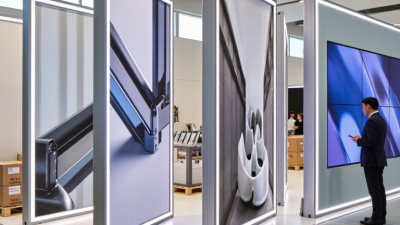
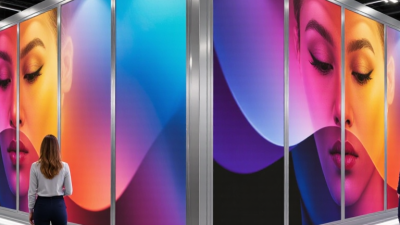
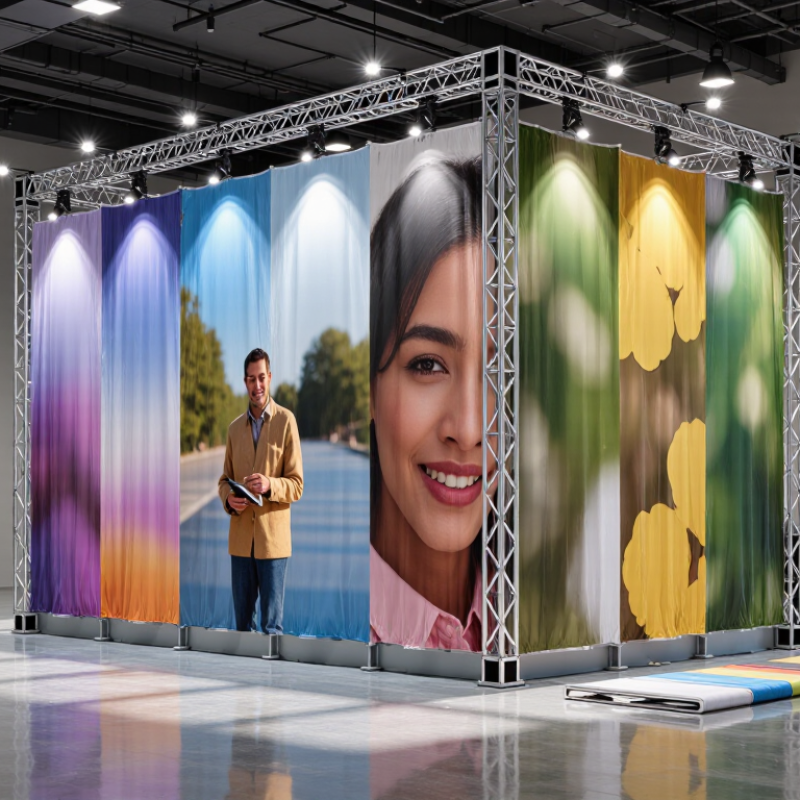
An SEG wall display is a printed fabric graphic fitted into a frame, usually made from aluminum. SEG stands for silicone edge graphic. A narrow silicone strip is sewn or welded around the fabric’s edges, then pressed into a groove in the frame. That edge matters. It pulls the fabric evenly, creating a clean surface without visible front-facing clips.
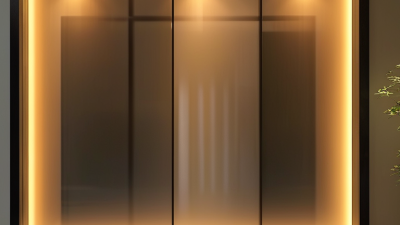
The frame holds the graphic flat against a wall or stands slightly away from it, depending on the mounting system. Some displays include LED lighting behind the fabric. These use a material designed to let light pass through; ordinary display fabric may look dull or uneven when backlit. Not magic, though. Strong reflections, uneven lighting, or a poorly tensioned edge can still affect the final appearance.
For a real installation, check the frame’s overall dimensions, depth, and mounting points before choosing a graphic. Measure the wall, including nearby outlets and trim. A large fabric panel can be awkward to handle, and a small measuring error may leave visible gaps. Ask how the graphic is finished at the corners, since thick seams can resist fitting into narrow channels. The fabric can often be removed for transport or replacement, but it still needs careful folding and handling. A crease may not disappear completely.
How to Define the Display’s Purpose and Space Requirements
Before choosing an SEG wall display, decide what it needs to do. A trade show backdrop may need to attract visitors from across an aisle, while a reception display may guide guests toward a check-in desk. Write down the main viewing distance, expected foot traffic, and message the display must carry. Keep it practical. A beautiful wall can still fail if people cannot read it while moving.
Tips: Photograph the intended space from a visitor’s viewpoint. Note nearby doors, counters, and light sources. Measure twice.
Measure the wall, not just the available floor area. Check ceiling height, width, and any obstacles such as vents or columns. Leave room for assembly and safe movement around the display. At a busy event, even a small gap can matter. Also consider how the fabric graphic will look under the venue’s lighting; strong overhead lights may create glare or uneven color. If the display must fit into a vehicle or storage area, confirm the packed frame dimensions before selecting a size. These checks can feel fussy, but they prevent a last-minute fit problem. I would still revisit the measurements after the layout changes.
How to Compare Display Sizes and Configuration Types
Choosing an SEG wall display starts with the viewing distance, not the largest available frame. AVIXA’s Display Image Size for 2D Content standard provides a method for sizing images around viewing conditions and content legibility. Use it as a planning reference, then test key text from the farthest expected viewing point. A headline that looks sharp at two metres may become unreadable across a busy lobby. Measure the actual wall, doorways, ceiling height, and power access before confirming dimensions.
Compare one-piece, modular, and multi-panel configurations against the venue and installation plan. A single wide frame creates a cleaner face, but can be awkward to transport through narrow corridors. Modular frames are easier to pack and scale, though extra joins and alignment checks can slow assembly. Count the visible seams. Also confirm whether fabric graphics can be replaced without dismantling the full structure. That detail is easy to overlook.
Grand View Research valued the global digital signage market at USD 28.83 billion in 2023 and projected an 8.1% compound annual growth rate from 2024 to 2030. This broad market forecast does not prescribe SEG dimensions, but it reflects expanding use of display systems across settings. For a specific project, compare total usable area, assembly time, storage volume, and graphic replacement cost—not just frame width. The “best” configuration can still be the wrong one if the crew cannot install it comfortably.
How to Plan Installation, Lighting, and Ongoing Care
Before ordering a SEG wall display, measure the wall and the frame opening, not just the space on a floor plan. Check ceiling height, nearby doors, outlets, and the route installers will use to carry frame sections inside. Measure twice. A paper template can reveal awkward corners that photographs miss. I would also confirm the wall material before choosing fixings; a solid wall and a hollow partition need different support.
Plan lighting with the graphic in place. Ambient light may be enough for an unlit display, while a backlit unit needs even illumination across the full fabric. Watch for glare from windows and bright ceiling spots. A quick test at the actual viewing distance helps. One easy oversight is judging brightness in an empty room, then discovering reflections once furniture and screens are installed. It is not a perfect prediction, but it is better than guessing.
For ongoing care, follow the frame and fabric supplier’s cleaning instructions. Dust gently with a soft brush or clean microfiber cloth, and test any mild cleaner on a hidden area first. Avoid soaking the fabric or pulling hard at its edges. Check tension, seams, and lighting periodically, especially after moving the display. Fabric can loosen a little over time; noticing it early makes adjustment simpler.

 +86-750-3598205
 CONTACT NUMBER