Top Led Extrusion Trends for 2026 What Buyers Need to Know
The landscape of Led Extrusion technology is evolving rapidly, especially as we approach 2026. Market research indicates a compound annual growth rate (CAGR) of around 20% in the LED lighting sector. This growth drives innovation in Led Extrusion, catering to diverse applications. Buyers face a plethora of options, making it crucial to stay informed.
As energy efficiency becomes paramount, Led Extrusion products are designed with improved thermal management and aesthetics. However, navigating these advancements can be overwhelming. Industry reports show that over 70% of buyers prioritize quality and durability, but not every product meets these standards.
Attention to detail in sourcing is vital. Buyers must weigh factors such as light output and material integrity. With the increasing availability of customizable solutions, discerning quality from gimmicks will challenge many. Investing in knowledge and reliable suppliers will shape successful purchasing decisions in this dynamic market.
Emerging LED Extrusion Technologies Shaping 2026 Market Trends
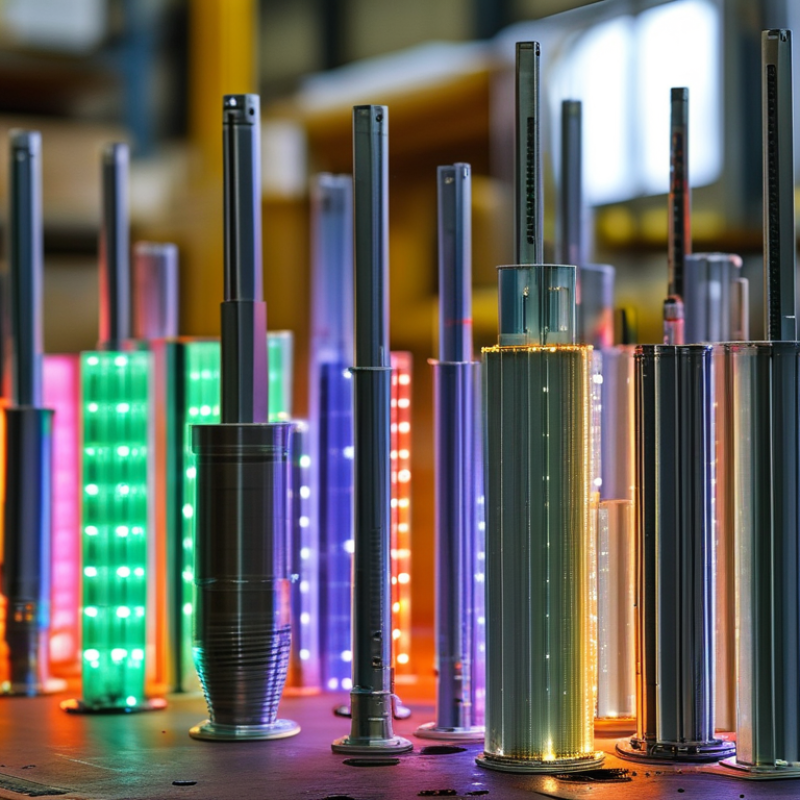
The LED extrusion market is evolving rapidly, and 2026 promises exciting advancements. As new technologies emerge, they shape the future of design and functionality in lighting. One significant trend is the rise of customizable LED profiles. Buyers can expect more options tailored to specific aesthetic and functional needs. This allows for unique installations that were previously difficult to achieve.
Smart integration is another trend to watch. LED extrusions are increasingly incorporating IoT capabilities, allowing users to control lighting via smartphones or voice commands. Such features enhance energy efficiency and convenience. However, users should remain aware of potential security risks with smart devices. Ensuring these systems are secure will be essential as they become more common.
Sustainability is driving changes in materials used for LED extrusions. More manufacturers are exploring eco-friendly options, making lasting impacts on the environment. While these innovations hold great promise, they also raise questions about performance and durability. Balancing sustainability with effective lighting remains a challenge for the industry. As consumers navigate these trends, the need for informed choices becomes crucial. Understanding these emerging technologies will help buyers make savvy decisions for their projects.
Key Factors Influencing LED Extrusion Design and Production in 2026
In 2026, LED extrusion design will undergo significant transformations. Changing consumer preferences play a crucial role. Buyers now seek customizable options that blend seamlessly into various environments. Sustainable materials will also take center stage, driving a shift towards eco-friendly practices. Manufacturers will need to adapt quickly to meet these evolving demands.
Technological advancements are essential. Improved LED technology will enhance efficiency and brightness. This progression will impact both design and functionality. However, some manufacturers may struggle to keep pace with innovative trends. It's vital for buyers to stay informed about these shifts. The right extrusion design can dramatically influence energy consumption and product lifespan.
Market dynamics will require companies to rethink their strategies. Economic factors may impact material availability and costs. Flexibility will become a key asset for producers. They must balance quality and affordability. Buyers should be cautious of sprawling options that seem appealing but lack reliability. The ability to reflect and adapt will set successful players apart in the competitive landscape.
Sustainability Initiatives in LED Extrusion: What to Expect in 2026
In 2026, sustainability will be at the forefront of LED extrusion innovations. Buyers can expect a stronger focus on eco-friendly materials and efficient production processes. This shift will aim to reduce carbon footprints significantly. Manufacturers are likely to adopt recycled plastics to create LED housings, aligning with the growing demand for sustainable solutions. Eco-conscious designs will become essential to appeal to environmentally aware consumers.
The rising trend of energy-efficient LED products will further drive these initiatives. However, the transition won't be perfect. Adopting new materials can mean higher costs and potential performance issues. Buyers should be prepared for variations in quality as manufacturers experiment with alternatives. A global push for sustainability may also affect supply chains and availability of products.
Flexibility will be crucial for buyers navigating these changes. Embracing both innovations and challenges will ensure success in future projects. Quality assurance processes may need adjustment to accommodate changing materials. Lastly, keeping an eye on regulatory shifts will be necessary, as guidelines around sustainable production are tightening.
Consumer Preferences and Their Impact on LED Extrusion Innovations
Consumer preferences are shaping the future of LED extrusion innovations. As sustainability becomes a priority, buyers seek eco-friendly materials. Interest in recyclable and energy-efficient products is rising. Manufacturers are focusing on creating LED extrusions that minimize environmental impact. This trend reflects a broader shift towards greener practices in various industries.
Design is also evolving in response to consumer needs. Sleeker, more versatile LED profiles are in demand. Buyers want customization options to match their unique aesthetic. This demand drives innovation, pushing manufacturers to develop innovative designs. However, not all companies adapt quickly. Some fall behind in understanding these changing preferences.
The importance of durability cannot be overlooked. Customers value long-lasting products that withstand daily wear and tear. This involves more than just material quality; it also requires thoughtful design. Investing in robust testing processes can enhance reliability. As buyers become more discerning, brands must continually adapt their offerings. The path forward requires both insight and flexibility to meet emerging needs.
Future Applications of LED Extrusions Across Various Industries in 2026
In 2026, LED extrusion applications will expand across diverse industries. According to a recent market report, the global LED extrusion market is expected to reach $4.2 billion by 2026, reflecting a compound annual growth rate of 15.3%. These figures highlight the increasing adoption of energy-efficient lighting solutions.
In retail, LED extrusions will enhance product displays, creating eye-catching visual effects. The automotive sector will also benefit, using LED extrusions for taillights and interior lighting. This shift towards customization will cater to consumer demand for personalization. However, companies must be cautious about the environmental impact of these materials, as improper disposal could lead to waste.
Tips for buyers include researching materials and their applications thoroughly. Understanding the thermal management properties of LED extrusions is vital. Additionally, look for suppliers who prioritize eco-friendly solutions. As the industry evolves, staying informed will help buyers make smarter choices.
Top LED Extrusion Trends for 2026

 +86-750-3598205
 CONTACT NUMBER