How to Choose the Best Led Display Screen for Your Business?
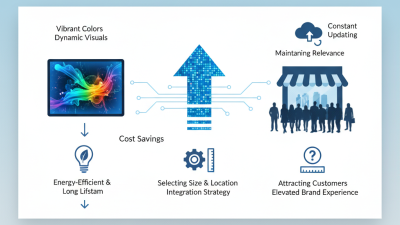
Choosing the best LED display screen for your business is crucial in today's visual-centric world. Studies show that effective visual communication can increase engagement by 80%. With the market projected to grow at a CAGR of 13.6% from 2021 to 2027, the demand for high-quality LED displays is undeniable. Businesses that leverage LED technology gain a competitive edge.
LED display screens offer vibrant colors and excellent visibility, making them ideal for advertising. However, selecting the right one involves understanding your specific needs. Factors such as size, brightness, and resolution matter. A common mistake is underestimating the impact of screen placement on visibility. Research indicates that nearly 70% of viewers notice digital signage in retail settings. Thus, ensuring your LED display screen reaches your target audience is essential.
Moreover, quality matters. Many inexpensive options lead to disappointment. Reports indicate that low-quality screens often result in higher replacement costs. This suggests a reflection on long-term investments. Choosing the right LED display screen can transform user experiences and drive significant returns. Your decision must be informed, considering both market trends and your unique business requirements.

Understanding Your Business Needs for an LED Display Screen
When considering an LED display screen, businesses must first understand their specific needs. The type of content and audience greatly influences this decision. A study by the Interactive Advertising Bureau found that digital signage can increase engagement by up to 47%. This statistic highlights the importance of selecting the right screen to capture your audience’s attention.
Size and resolution are crucial factors. For instance, a high-resolution display is essential in a crowded environment where content clarity matters. Many advertisers report a 30% increase in customer interactions when using high-definition screens. However, not every business will benefit from the most advanced technology. Budget constraints can limit options, forcing businesses to balance quality with cost. Selecting a display that fits both your needs and your budget can seem overwhelming but is necessary for effective communication.
Placement is another vital consideration. Screens should be located where foot traffic is highest. According to research by Digital Signage Today, 70% of consumers reported that digital signage influences their purchasing decisions. However, poor placement can lead to wasted resources. Reflecting on your intended message and audience will guide proper placement, ensuring that your investment yields the desired results.
Types of LED Display Screens and Their Applications
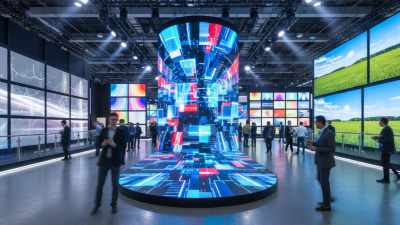
When selecting an LED display screen for business needs, understanding the types available is crucial. Indoor LED displays are popular for retail environments. They offer vibrant colors and high resolution. These screens attract attention and enhance customer engagement. The pixel pitch can vary, impacting image quality. A smaller pixel pitch provides a sharper image, ideal for close viewing.
Outdoor LED displays serve different purposes. They are built to withstand weather conditions and often feature higher brightness levels. These screens are perfect for advertising and public information. Their visibility in bright sunlight is essential for drawing in crowds. It's important to consider the installation location for outdoor models.
Another type is flexible LED displays. These screens can be shaped to fit unique spaces. They are ideal for creative installations in events and exhibitions. However, flexibility can raise concerns about durability. Businesses must weigh the benefits against potential maintenance challenges. Choosing the right type involves reflecting on specific needs and usage contexts. Each option has advantages and drawbacks. It’s vital to assess them carefully.
Key Features to Consider When Selecting an LED Display
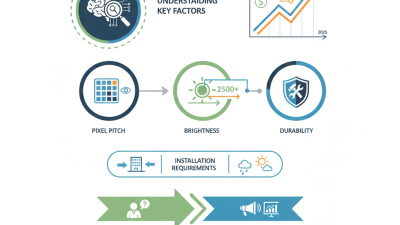
When selecting an LED display screen for your business, several key features demand attention. Brightness is crucial; a screen with at least 2,000 nits is ideal for outdoor settings. This ensures visibility in direct sunlight. For indoor displays, a range of 500 to 1,000 nits is often sufficient. Research shows that higher brightness correlates with increased customer engagement. In fact, businesses with brighter displays report a 20% increase in viewer retention.
Consider the pixel pitch as well. Smaller pixel pitches provide clearer images up close. A pixel pitch of 2.5mm or less is recommended for indoor applications, while 10mm is generally acceptable for outdoor use. According to industry studies, screens with optimal pixel pitch can enhance viewer experience by up to 40%. Resolution is also key; higher resolution means sharper and more appealing visuals.
Weight and installation options should not be overlooked. Make sure the screen is lightweight if wall-mounted. A heavy display can complicate installation and increase costs. You may also want to check for modular options; they provide flexibility for future upgrades.
For durability, look for LED screens with IP ratings. An IP65 rating indicates resistance to dust and water. Many businesses prefer this feature to ensure longevity. Regular maintenance is essential; frequent checks can prevent costly repairs. Overall, thorough research into these factors will help you make an informed choice.
LED Display Screen Features Comparison
Evaluating the Right Size and Resolution for Your Space
Choosing the right size and resolution for your LED display screen is crucial for maximizing impact. Consider the distance of your audience. A larger screen may be necessary for viewers who are far away. For close viewing areas, a smaller display can work effectively. Too small a screen might get lost in a busy environment.
Resolution is another key factor. Higher resolution screens can deliver clearer images. This is particularly important for detailed content. However, higher resolution displays come at a premium price. You must weigh the need for clarity against your budget. A 4K display may not be necessary for all businesses, especially in less visually demanding applications.
Assess your space and audience carefully. Outdoor locations often require brighter screens to combat sunlight. Indoor setups may allow for lower brightness and resolution. Reflect on both current needs and future growth. A display that fits now may not suffice later. Balancing these elements will lead you to the best decision for your business.
Budgeting for Your LED Display: Costs and Return on Investment
When budgeting for an LED display screen, it's important to consider both initial costs and long-term returns. The price can range from $1,000 to $50,000, depending on factors like size, resolution, and technology type. According to a recent industry report by IHS Markit, businesses can expect an average ROI of 400% over three years from digital signage. This highlights the importance of choosing a display that not only fits your budget but also drives engagement.
Installation and maintenance costs are additional factors. Typically, installation can add between 10% to 20% to your initial budget. Regular maintenance should be factored in as well. Although many displays come with warranties, unexpected repairs can be costly. A study by NEC found that 73% of businesses saw an increase in sales after implementing digital signage. This data can help justify the upfront investment, showing that a higher-quality screen may offer better long-term returns.
While investing in an LED display is a significant commitment, careful budgeting can yield positive results. Many business owners initially feel overwhelmed by the costs. Yet, focusing on the potential for enhanced customer experience and increased revenue is crucial. Consideration of affordability and impact can guide you through the decision-making process.
How to Choose the Best Led Display Screen for Your Business? - Budgeting for Your LED Display: Costs and Return on Investment
| Aspect |
Details |
Estimated Cost |
Expected ROI |
| Screen Size |
Choose based on visibility and location. |
$1,000 - $5,000 |
High visibility leads to increased sales. |
| Resolution |
Higher resolution for clearer images. |
$2,000 - $10,000 |
Enhances customer engagement, potential 20% increase. |
| Installation |
Professional installation recommended. |
$500 - $2,000 |
Proper setup ensures functionality. |
| Maintenance |
Regular checks and software updates. |
$200 - $1,000/year |
Prevents costly repairs, maintains optimal performance. |
| Advertising Content |
High-quality visuals drive engagement. |
Varies based on creation cost. |
Better ads can lead to higher conversion rates. |

 +86-750-3598205
 CONTACT NUMBER