What is a Led Display Screen and How Does it Work?
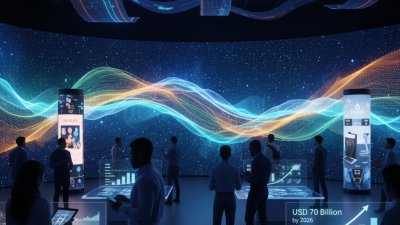
The Led Display Screen is a remarkable technology that has transformed visual communication. It provides vibrant visuals in various settings, from concerts to advertising. This screen uses light-emitting diodes (LEDs) to create images and videos that captivate audiences.
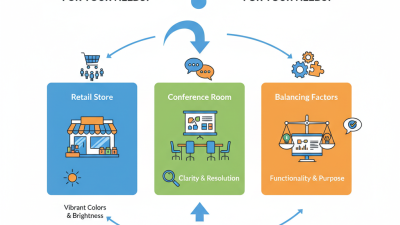
Understanding how the Led Display Screen works is essential for those in marketing and event planning. The mix of colors and brightness levels produced by this technology is impressive. However, challenges such as cost, energy consumption, and viewing angle limitations exist. These aspects need careful consideration when choosing a display solution.
As the demand for effective visual solutions grows, the Led Display Screen continues to evolve. Its versatility is both a strength and a potential pitfall. Adopting this technology requires a balance between innovation and practical application. By examining its functionality and limitations, we gain deeper insights into the future of visual displays.
Definition and Basics of LED Display Screens
LED display screens have become a vital part of modern technology, shaping how we interact with visual information. These screens use light-emitting diodes (LEDs) to produce images and videos. Each diode emits light when an electric current passes through it. This technology allows for bright, vibrant displays that can be easily seen in various lighting conditions.
One of the fundamental aspects of LED displays is their structure. They are composed of numerous small LEDs, arranged in a grid. This grid can be manipulated to create different colors and images. For instance, combining red, green, and blue (RGB) diodes produces a spectrum of colors. However, designing an effective LED display requires meticulous calibration. Even minor misalignments can lead to uneven brightness or color accuracy issues.
While LED screens are energy-efficient, their lifespan can be affected by factors like heat and usage. Over time, the brightness may diminish, affecting visual quality. Users should periodically assess their displays to ensure optimal performance. Understanding these elements can help one appreciate the complexity behind what appears to be a simple screen. Such reflections can enhance our engagement with technology.
Types of LED Display Screens and Their Applications
LED display screens come in various types, each designed for specific applications. The most common include direct view LED, LED video walls, and transparent LED displays. Direct view LEDs are widely used for signage. They offer high brightness and great visibility. According to a recent report from Grand View Research, the global LED display market is expected to reach $106.78 billion by 2025. This growth highlights their increasing demand across different sectors, like retail and events.
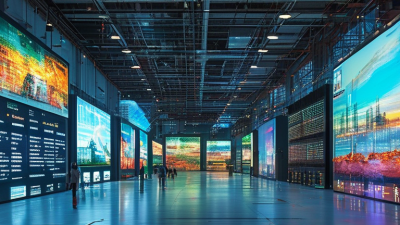
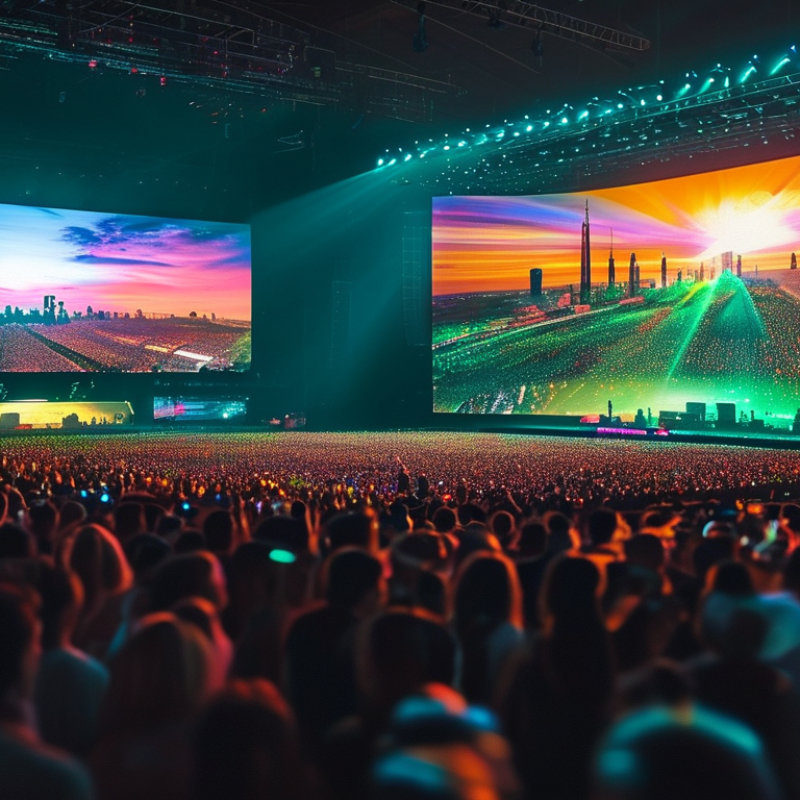
LED video walls are often used for concerts and large events. They deliver stunning visuals, drawing attention from large audiences. However, they can be quite complex to set up. There’s also a growing trend in transparent LED displays. These are popular in storefronts, allowing visibility while still showcasing advertisements. While innovative, they require careful consideration regarding placement and lighting.
The application of LED screens has also raised some concerns. Visible flicker and color inconsistency can impact viewer experience. Industry standards are evolving to address these issues. As technology progresses, it remains important for businesses to stay informed about both the advantages and the limitations of different types of LED displays in their strategies.
How LED Display Screens Work: Technical Overview
LED display screens are renowned for their vibrant colors and energy efficiency. At their core, these displays utilize light-emitting diodes (LEDs) to produce images and videos. These diodes emit light when an electric current flows through them. The combination of red, green, and blue diodes creates a broad spectrum of colors, allowing for stunning visual experiences.
Technically, an LED display consists of several pixel clusters. Each cluster contains multiple LEDs that work together to form a single pixel. The brightness and color of each pixel are controlled by adjusting the current to the LEDs. This precise control allows for detailed images. However, achieving uniform brightness across a display can be challenging. Poor calibration can lead to uneven colors and brightness.
In addition, LED displays have various applications, from large outdoor billboards to small electronic devices. However, different environments can affect their performance. For instance, direct sunlight can reduce visibility. Designers must consider these factors to maximize effectiveness. Despite the advancements in LED technology, challenges remain. Balancing cost, performance, and durability is crucial for future developments.
Advantages of Using LED Display Screens
LED display screens have become essential in various settings. Their brightness and clarity are unmatched. This makes them perfect for advertising, events, and information dissemination. One key advantage is energy efficiency. LED screens consume less power compared to traditional displays. This not only saves money but also reduces environmental impact.
Another benefit is the superior visibility in diverse lighting conditions. Even in direct sunlight, LED screens maintain vibrant colors. This gives them an edge in outdoor installations. Durability is a significant factor too. LED displays are built to withstand harsh conditions. They are often resistant to water and dust, protecting the technology inside. However, not all LED screens are created equal. Some may suffer from color fading over time. Regular maintenance can mitigate this but requires planning.
The flexibility in design is noteworthy. LED screens can be shaped to fit various formats and structures. This allows for creativity in installations. Yet, this versatility can lead to overcomplication in planning and implementation. Ensuring the right configuration needs careful consideration. In conclusion, while LED display screens offer impressive advantages, they come with challenges that must be addressed for optimal use.
Advantages of Using LED Display Screens
Maintenance and Troubleshooting of LED Displays
Maintenance of LED displays is crucial for their longevity and optimal performance. Regular checks and cleaning can significantly reduce the need for extensive repairs. Dust build-up can lead to overheating, compromising display quality. It’s advisable to clean screens every month. Industry reports indicate that thorough cleaning can extend screen life by up to 30%. However, many owners neglect this routine, which can lead to issues that are easily preventable.
Troubleshooting any LED display involves understanding common problems. Issues such as dead pixels or flickering may arise during use. According to research from leading display experts, about 5% of LED screens experience such problems within the first year. Identifying the root cause is essential. Sometimes, it might be just a loose connection. In other cases, software updates may resolve flickering. Owners need to be cautious about DIY repairs. Without proper knowledge, they can worsen the damage. Regular professional assessments can help catch issues early.
Maintaining an LED display requires attentiveness and timely action. Observing how displays respond in different environments informs better care practices. Many users overlook factors like humidity and temperature. These elements influence the display's functioning. Awareness is key. The right maintenance approach can reduce repair costs. Yet, a lack of understanding can lead to costly mistakes.

 +86-750-3598205
 CONTACT NUMBER