2025 Top Modular Booth Design Trends for Trade Shows and Exhibitions
As the landscape of trade shows and exhibitions continues to evolve, the concept of the Modular Booth is gaining unprecedented traction among industry stakeholders. Experts predict that by 2025, design trends surrounding Modular Booths will be pivotal in shaping how brands engage with audiences at trade events. According to John Smith, a prominent figure in the modular design industry, "Modular Booths provide the flexibility and creativity that modern exhibitors need to stand out in a crowded marketplace." This underscores the growing significance of adaptable spaces that not only reflect brand identity but also enhance visitor interaction.
The rising demand for sustainability and cost-effective solutions has prompted designers to innovate endlessly within the Modular Booth framework. Attendees are no longer satisfied with static displays; instead, they seek immersive experiences. This shifting paradigm has led to a fresh wave of design trends that prioritize functionality without compromising aesthetic appeal. As the industry approaches 2025, we can expect to see Modular Booths that incorporate advanced technology, sustainable materials, and versatile layouts, ensuring that exhibitors can connect with their target audience in engaging and memorable ways.
In this exploration of the top Modular Booth design trends, we’ll delve into how these booths are revolutionizing the exhibition space and setting new standards for engagement and interaction, preparing brands for success in an increasingly competitive environment.

2025 Overview of Modular Booth Design Trends for Trade Shows
As we look ahead to 2025, the landscape of modular booth design for trade shows and exhibitions is poised for exciting evolution. The trend is leaning towards flexibility and sustainability, as brands strive to create dynamic spaces that can easily adapt to various event settings. Modular booths are becoming more visually engaging, incorporating innovative materials that not only capture attention but also promote eco-friendliness. Expect to see more booths equipped with interactive technologies that enhance visitor engagement, making the experience memorable.
Tips: When designing your modular booth, prioritize versatility. Choose elements that can be reconfigured for different sizes and requirements to maximize your investment. Additionally, integrating sustainable materials will not only appeal to environmentally conscious attendees but also reflect your brand's values in today’s market.
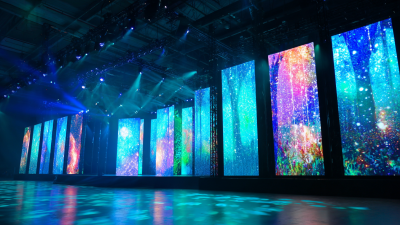
Another trend to watch for is the integration of smart technology. Features like digital displays, augmented reality, and interactive touchpoints are becoming standard, allowing exhibitors to create immersive experiences that draw in visitors. As customer engagement becomes paramount, these technologies not only provide information but also enhance interaction, keeping your brand at the forefront of attendees' minds.
Tips: Don’t shy away from experimenting with technology in your booth design. Use it strategically to tell your brand story and capture leads in a fun, engaging way. Keeping your booth stylish yet functional will help you stand out while providing essential information effortlessly.
Key Materials Influencing Modular Booth Designs in 2025
As we look ahead to 2025, the trade show and exhibition industry is poised for a transformation in modular booth design, heavily influenced by innovative materials. Key materials such as sustainable woods, lightweight metals, and advanced composites are becoming increasingly popular due to their versatility and eco-friendliness. According to a recent industry report, over 70% of exhibitors now prioritize sustainable materials in their booth designs, reflecting a growing commitment to environmental responsibility. These materials not only contribute to a minimalist aesthetic but also enhance durability and portability, aligning with the modern exhibitor's needs.
Additionally, the incorporation of technology-driven materials, such as smart fabrics and integrated LED systems, is revolutionizing how modular booths interact with attendees. A 2023 survey indicated that nearly 60% of visitors noted that engaging booth designs significantly impacted their experience, motivating exhibitors to invest in cutting-edge materials that enable interactive features. As these trends continue to evolve, the fusion of functionality and creativity through innovative materials will define the future landscape of trade show exhibitions, setting new benchmarks for design and engagement strategies.
Sustainable Practices in Modular Booth Construction and Design
As the landscape of trade shows and exhibitions evolves, the focus on sustainability has become paramount, especially in the realm of modular booth construction and design. Sustainable practices not only minimize environmental impact but also resonate with an increasingly eco-conscious audience. Modular booth designs allow for the reuse and repurposing of materials, reducing waste and the need for new resources. Implementing recyclable materials and energy-efficient technologies further enhances the sustainability quotient, creating booths that are not only visually appealing but also align with green principles.
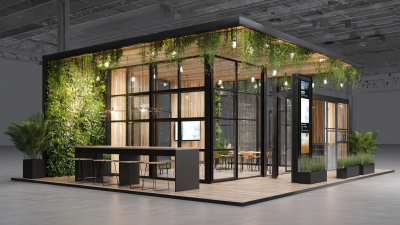
Moreover, the aesthetic appeal of these modular booths can be complemented by sustainable design choices that promote natural light and utilize eco-friendly finishes. By integrating biophilic design elements, such as living walls or natural wood, exhibitors can create inviting spaces while supporting biodiversity. The shift towards sustainable practices signifies a broader commitment within the trade show industry to foster innovation that respects the planet, appealing to exhibitors and attendees who prioritize environmental responsibility. This renewed focus on sustainability in booth design will undoubtedly shape the future of trade shows, making them more responsible and engaging experiences for all involved.
Technological Innovations Shaping Modular Booth Experiences
In recent years, technological innovations have dramatically reshaped the landscape of modular booth design for trade shows and exhibitions. According to a report by the Exhibition and Event Association of Australasia, 86% of companies believe that technology significantly enhances visitor engagement. One prevalent trend is the integration of augmented reality (AR) and virtual reality (VR), which allows attendees to immerse themselves in interactive experiences, thereby increasing brand recall by up to 70% compared to traditional booth setups. This shift not only attracts more traffic but also fosters deeper connections between exhibitors and audiences.
Additionally, the use of digital interfaces and interactive displays is becoming ubiquitous in modular booth design. A survey by Event Marketer revealed that 67% of exhibitors stated that touchscreens and digital applications were critical in creating memorable experiences for attendees. These technologies enable personalized interactions, allowing visitors to engage with content at their own pace and interest level.
As modular booths evolve, designers are also focusing on sustainability by incorporating eco-friendly materials and energy-efficient systems, aligning with the growing demand for environmentally responsible practices in the event industry. Such innovations are predicted to be integral to the future of trade exhibitions, reflecting the merging of technology with sustainable design principles.
Interactive Elements Enhancing Visitor Engagement in Booths
In the competitive landscape of trade shows and exhibitions, interactive elements have emerged as a game-changer for enhancing visitor engagement in modular booth designs. Incorporating touchscreens, augmented reality experiences, and interactive displays can transform a static exhibit into a dynamic engagement platform. These elements allow attendees to immerse themselves in a brand's story, inviting them to explore products and services more deeply than ever before. By integrating gamified experiences or live demonstrations, exhibitors can capture attention and foster a memorable interaction that resonates long after the event.
Moreover, the use of personalized experiences tailored to individual visitor interests can significantly enhance engagement. For instance, utilizing data analytics and visitor tracking can help exhibitors create custom content that speaks directly to the needs and preferences of attendees. Interactive kiosks or mobile applications that provide tailored information further create a more intimate experience, ensuring that visitors feel valued and connected to the brand. The synergy of these innovative tools not only elevates the booth's appeal but also cultivates an environment where meaningful conversations can flourish, ultimately driving greater interest and potential conversions.
2025 Top Modular Booth Design Trends for Trade Shows and Exhibitions
This chart illustrates the rising trends of interactive elements in trade show booths. The data represents the percentage of exhibitors who incorporated various interactive features in their booths to enhance visitor engagement.

 +86-750-3598205
 CONTACT NUMBER