2025 Top Trends in Led Display Screen Technology You Need to Know
As we approach 2025, the landscape of LED display screen technology is evolving at an unprecedented pace, significantly impacting various sectors including advertising, entertainment, and retail. According to a recent market analysis by ResearchAndMarkets, the global LED display market is projected to reach USD 70 billion by 2026, with a compound annual growth rate (CAGR) of 11.5% from 2021 to 2026. This growth is largely driven by advancements in display resolution, brightness, and energy efficiency, as well as the increasing demand for innovative visual experiences in both indoor and outdoor applications.
Emerging trends such as mini-LED and micro-LED technologies are set to revolutionize the way content is displayed, with improvements in color accuracy and viewing angles that far surpass the capabilities of traditional display technologies. Additionally, the integration of artificial intelligence and IoT into LED display systems is enhancing interactivity and personalization, providing businesses with powerful tools to engage their audiences. As these advancements shape the industry, understanding the top trends in LED display screen technology will be crucial for stakeholders aiming to leverage these innovations for competitive advantage.
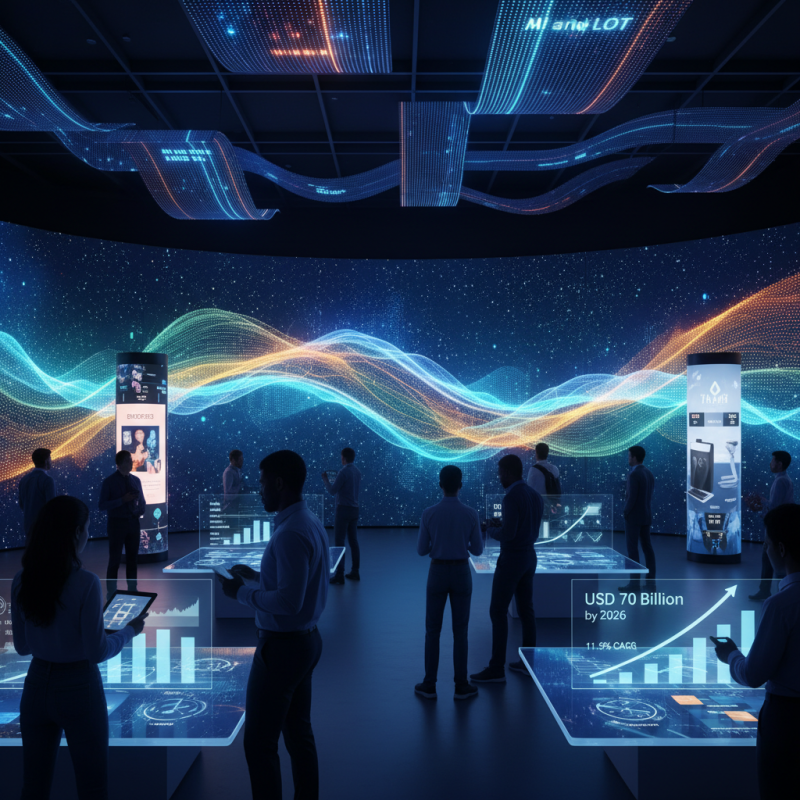
Emerging Technologies in LED Display Screens for 2025
The landscape of LED display screen technology is rapidly advancing, and 2025 promises to bring several exciting trends that will redefine how we experience visual content. One notable innovation is the integration of artificial intelligence (AI) in LED displays. With AI, screens can adapt to their surroundings, optimizing brightness and color based on ambient light, which ensures consistent visual quality while conserving energy.
Alongside AI, the development of microLED technology is set to make waves. MicroLED displays not only provide superior image quality with higher resolutions and improved color accuracy but also offer significant advantages in terms of longevity and energy efficiency. This technology allows for smaller and more modular screens, opening the door to creative possibilities in architecture and design.
Tips: As these technologies evolve, businesses should consider investing in flexible LED solutions that can be configured for various environments and applications. Additionally, keep an eye on energy-efficient models, which not only reduce operational costs but also contribute to sustainability goals. Embracing these trends early can give you a competitive edge in a visually driven market.
Advancements in Energy Efficiency and Sustainability for LED Displays
The LED display screen technology landscape is evolving rapidly, with a significant focus on energy efficiency and sustainability. As environmental concerns continue to mount, manufacturers are harnessing innovative approaches to reduce the carbon footprint of LED displays. One notable advancement is the development of more efficient light-emitting diodes that consume less power while delivering higher brightness levels. This means that large-scale displays can operate effectively with lower energy demands, significantly cutting down on electricity costs and resource consumption.
In addition to efficiency improvements, sustainable materials are becoming integral to the production of LED displays. Manufacturers are exploring the use of recyclable and eco-friendly components, which not only reduces waste but also minimizes the environmental impact of the disposal process. Alongside this, advancements in manufacturing techniques aim to enhance the lifespan of LED screens, further contributing to sustainability by reducing the frequency of replacements. This shift towards greener practices is setting the stage for a future where LED display technology contributes positively to both the economy and the environment, aligning well with global sustainability goals.
Integration of AI and Smart Features in LED Display Screens
The integration of artificial intelligence (AI) and smart features in LED display screen technology is revolutionizing the way information is presented and consumed. As we move towards 2025, these advancements are set to enhance user experience significantly. By leveraging AI algorithms, LED displays can analyze viewer engagement and adapt content in real-time, creating a more interactive and personalized experience. This capability not only improves audience retention but also optimizes advertising effectiveness, allowing businesses to tailor messages based on demographic data and specific viewer responses.
Incorporating smart features such as facial recognition, gesture control, and environment awareness further elevates the functionality of LED displays. These technologies enable screens to adjust brightness, color, and even content based on surrounding lighting conditions and audience proximity. Additionally, AI-driven predictive analytics can anticipate viewer preferences, leading to dynamic content management that keeps audiences engaged. As these intelligent systems evolve, LED displays are poised to become not just visual tools, but integral components of smart environments, seamlessly integrating into urban spaces, retail settings, and corporate environments to deliver information that is timely, relevant, and captivating.
The Role of Enhanced Resolution and Clarity in Future LED Technology
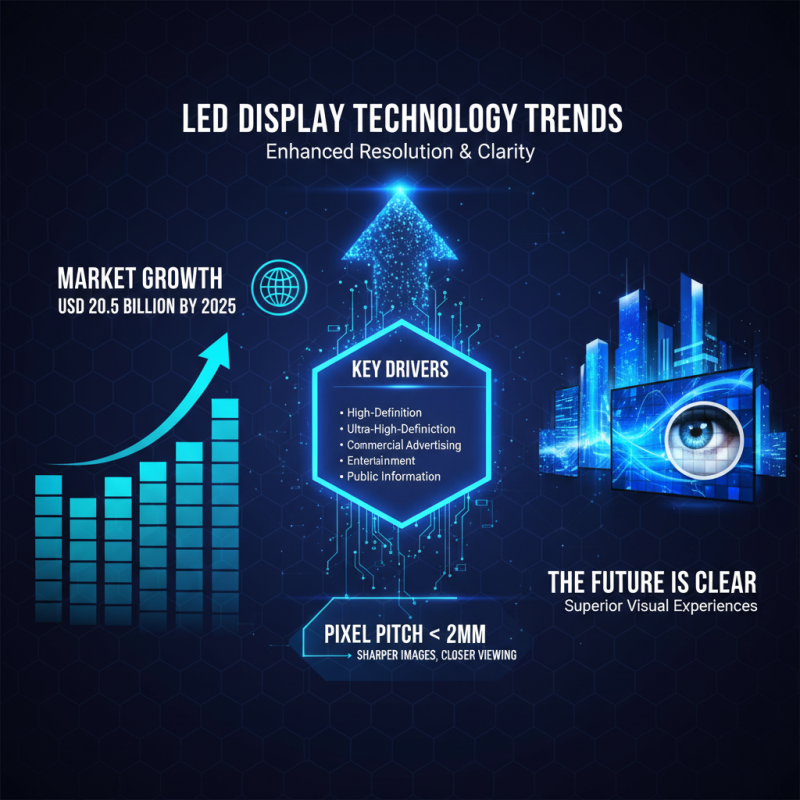
As the LED display screen technology continues to evolve, enhanced resolution and clarity have become paramount for industries aiming to captivate consumers and deliver superior visual experiences. According to a recent report by MarketsandMarkets, the global LED display market is projected to reach USD 20.5 billion by 2025, driven by advancements in resolution capabilities. High-definition and ultra-high-definition displays are no longer a luxury but a necessity in commercial advertising, entertainment, and public information sectors. The demand for pixel pitch smaller than 2mm is particularly notable, as businesses strive to achieve sharper images that can be viewed from closer distances.
Additionally, as 4K and 8K resolutions become more mainstream, the importance of clarity in LED technology is underscored. The Consumer Technology Association predicts a significant shift towards these higher resolutions, which promise to deliver an immersive viewing experience. Enhanced clarity is crucial for applications such as virtual reality, live event broadcasting, and digital signage. The ability to provide detail-rich imagery not only improves engagement but also significantly affects how messages are conveyed in an increasingly visually-driven market. Companies that invest in advanced clarity features will likely gain a competitive edge by offering more compelling products that meet the expectations of modern audiences.
Market Trends and Consumer Preferences Shaping LED Screen Innovations
The LED display screen technology landscape is evolving rapidly, driven by market trends and shifting consumer preferences. According to a recent report from MarketsandMarkets, the global LED display market size is projected to reach $30.46 billion by 2025, growing at a compound annual growth rate (CAGR) of 7.2%. This growth is largely attributed to increasing demand for innovative display solutions in sectors such as retail, entertainment, and transportation. As consumers become more visually driven, businesses are investing in high-resolution, energy-efficient LED displays that provide stunning visuals and enhance the customer experience.
Furthermore, consumer preferences are significantly shaping innovations in LED technology. A survey by Statista indicates that 65% of consumers prefer LED displays over traditional advertising channels due to their brightness and vibrancy. This shift in preference is prompting manufacturers to focus on creating products that offer improved resolution, flexible designs, and reduced environmental impact. Innovations such as mini and micro LED technologies are gaining traction, allowing for even finer pixel pitches and more versatile installations. As the market evolves, it is clear that listening to consumer feedback will be paramount in directing future developments within the LED display industry.
2025 Top Trends in Led Display Screen Technology You Need to Know
| Trend |
Description |
Market Impact |
Consumer Preference |
| Micro LED Technology |
Utilizes microscopic LED chips for enhanced brightness and energy efficiency. |
Expected to dominate with a 25% market share by 2025. |
High demand for energy-efficient and vibrant displays. |
| Flexible LED Screens |
Allows for creative installations on curved surfaces. |
Trend towards customization is driving growth. |
Interest in unique display forms in retail environments. |
| HDR (High Dynamic Range) |
Enhances contrast ratios and color accuracy. |
Increasing adoption drives competitive differentiation. |
Consumers prefer richer viewing experiences in entertainment. |
| AI-Driven Content Management |
Automates display content optimization based on audience behavior. |
Enhances engagement and lowers operational costs. |
Consumers value personalized experiences in advertising. |
| Sustainability Practices |
Focus on eco-friendly materials and energy-efficient designs. |
Aligning with consumer values enhances brand reputation. |
Growing preference for brands that prioritize sustainability. |

 +86-750-3598205
 CONTACT NUMBER