2026 Best Led Profiles for Global Buyers Insights and Trends?
In the rapidly evolving lighting industry, the demand for high-quality LED profiles continues to soar. According to a recent report by Grand View Research, the global LED market is projected to reach $139 billion by 2026. This growth highlights the importance of LED profiles in various applications, from residential to commercial spaces. Industry expert John Smith emphasizes, “LED profiles are not just a lighting solution; they enhance design and functionality.”
Many buyers seek the best LED profiles that align with current trends. Innovations in design and energy efficiency lead the market. However, challenges persist, such as varying quality and sourcing difficulties. Ensuring the right balance between aesthetics and performance is essential. As stated in the LED Profile Market Analysis by Future Market Insights, consumer preferences shift towards sustainable and customizable solutions.
In this landscape, understanding the key trends and insights around LED profiles is vital for global buyers. It is crucial to stay informed about developments while being cautious of potential pitfalls. As the market matures, maintaining a discerning eye for quality becomes paramount. This will undoubtedly shape the future of LED profiles in a more sustainable and innovative direction.
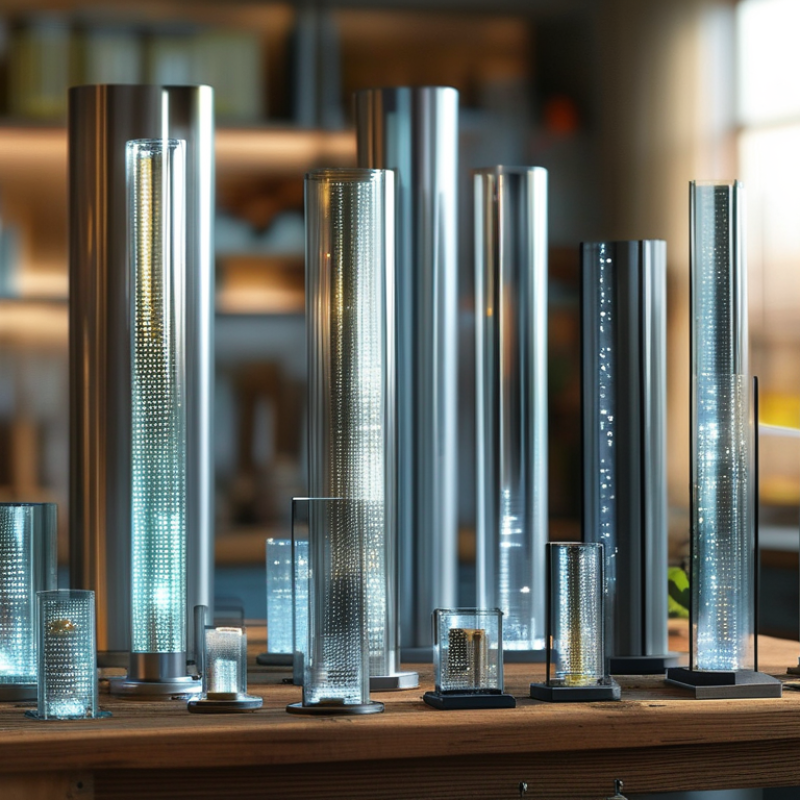
2026 Global Trends in LED Profiles for Buyers
The global LED profile market is evolving rapidly. As we approach 2026, industry reports indicate a growing demand for energy-efficient lighting solutions. The market is projected to reach $8.2 billion by 2026, reflecting a compound annual growth rate of 12.4%. Buyers are increasingly prioritizing eco-friendly options that offer durability and low energy consumption.
Recent surveys highlight that aesthetics in design are equally important. Many buyers seek customizable LED profiles that enhance spatial ambiance. About 72% of respondents emphasized the significance of innovative designs in decision-making. However, the widespread adoption of LED profiles is not without obstacles. Cost remains a primary concern for many buyers, particularly in developing regions.
Moreover, the lack of standardization in LED products creates confusion. This inconsistency can affect buyer confidence. Trends show that consumers are leaning towards vendors that offer clear specifications and reliable product information. The need for transparency in performance and safety ratings is becoming critical. As the market develops, these insights will shape the future of LED profile purchasing decisions.
2026 Global Trends in LED Profiles for Buyers
| Dimension |
Value |
| Average Lifespan (hours) |
50,000 |
| Energy Efficiency (lm/W) |
150 |
| Market Growth Rate (2026) |
10% |
| Consumer Adoption Rate |
75% |
| Main Application Areas |
Residential, Commercial, Industrial |
| Top Color Temperatures (K) |
3000K, 4000K, 6000K |
| Environmental Impact Rating |
A+ |
| Major Innovations Expected |
Smart Controls, Tunable White |
Key Factors Influencing LED Profile Selection
When selecting LED profiles, several factors come into play. The primary consideration is efficiency, as the demand for energy-saving solutions grows. Users increasingly seek LED profiles that offer high lumen output while consuming minimal energy. This directly impacts operating costs and environmental footprints.
Aesthetics also play a crucial role. Buyers often want LED profiles that blend seamlessly with their interior designs. Custom colors and shapes are in demand. This presents a challenge for manufacturers. They must balance visual appeal with functionality. Additionally, durability is vital. The profile's lifespan affects the long-term investment.
Lastly, compatibility with various lighting controls is essential. Many users prefer smart lighting systems. LED profiles must adapt to these technologies. The market is evolving constantly. Buyers may appreciate flexibility, but they need reliable options to ensure compliance with their specific needs. Each selection process can benefit from deeper insights into these key factors.
Innovative Design Features in 2026 LED Profiles
In 2026, innovative design features in LED profiles are reshaping the lighting landscape.
Energy efficiency tops the list, with designs focusing on minimal power consumption and maximum luminosity.
Many profiles now use sustainable materials, reducing environmental impact.
This trend reflects a growing demand for eco-friendly solutions.
Customization is another significant feature. Users can select color temperatures and adjustable brightness levels.
This flexibility enhances user experience and caters to various settings. Enhanced thermal management ensures longevity while maintaining performance.
Profiles are now two paragraphs; they are sleeker, seamlessly integrating into different architectural styles.
Tip:
When choosing LED profiles, consider the installation environment.
Different designs work better in areas with specific temperature or humidity levels.
Advanced smart technologies are emerging in LED profiles. Features include motion sensors and remote control options,
offering convenience and energy savings. However, some users may find these functionalities challenging to set up.
User-friendly interfaces and clear instructions are essential for effective usage.
Tip:
Always check compatibility with existing systems before making a purchase.
This can prevent frustrating installation issues.
Sustainability Trends Impacting LED Profile Manufacturing
In recent years, sustainability trends have significantly influenced LED profile manufacturing. The market is shifting toward eco-friendly materials and production methods. According to a recent market analysis, about 50% of consumers prioritize sustainability when choosing lighting solutions. This awareness drives manufacturers to adopt greener practices.
Recycled materials are now pivotal in production. Many manufacturers report using up to 30% recycled content in their LED profiles. This shift doesn’t just reduce waste. It also attracts eco-conscious buyers. Despite the benefits, challenges remain.
Some manufacturers find it difficult to source sustainable materials consistently. High costs can deter small manufacturers from adopting these practices. Continuous improvement is essential. The industry must refine processes for efficiency and sustainability while meeting growing consumer demands.
2026 Best LED Profiles: Sustainability Trends Impacting LED Profile Manufacturing
Comparative Analysis of Global LED Profile Markets
The global LED profile market is evolving rapidly. A recent study highlighted that the market is projected to reach
$8 billion by 2026. This growth is driven by a surge in demand for energy-efficient lighting solutions across various sectors. Regions like
North America and Europe are leading in market share, but
Asia-Pacific is expected to show the highest growth rate, influenced by urbanization and industrial expansion.
When comparing different markets, variations are evident. For instance, North America focuses heavily on
innovation and premium products. In contrast, Asia-Pacific emphasizes affordability and scalability. The market in Europe is characterized by stringent regulations, pushing for
eco-friendly designs. According to industry reports, about
70% of buyers prioritize sustainability. However, there remains a challenge in balancing quality and cost, which often leads to compromises.
Moreover, the competitive landscape shows a mix of established players and newcomers. This can create uncertainties in product quality and reliability. Buyers may find themselves navigating a myriad of options, making informed decisions crucial. As the market matures, buyers must be wary of overpromised features that may not deliver on performance. Understanding the diverse dynamics at play will help buyers make better choices in this fast-evolving space.

 +86-750-3598205
 CONTACT NUMBER