2026 Top Led Video Wall Trends Buyers Need to Know?
In recent years, the demand for LED video walls has surged significantly. These dynamic displays offer vibrant visuals and are an essential tool for various industries. From advertising to entertainment, understanding the top trends in LED video walls for 2026 is crucial for buyers.
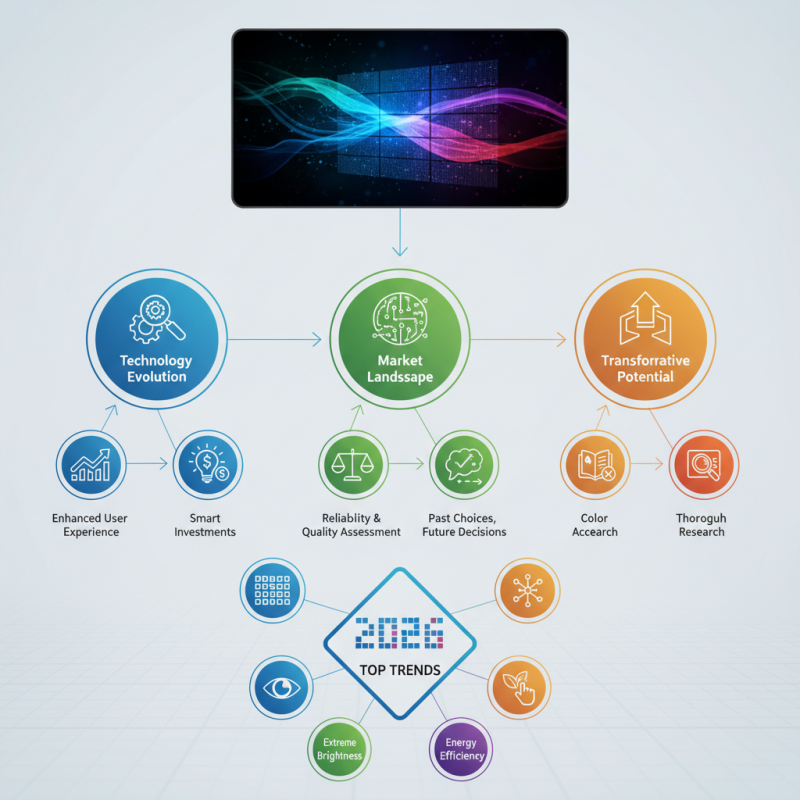
As technology evolves, LED video walls continue to enhance user experiences. New developments in resolution and brightness allow for stunning displays, even in challenging environments. Buyers must stay informed about upcoming innovations to make smart investments.
However, navigating the landscape of LED video walls can be complex. Many products promise high performance, yet not all deliver. It's vital to assess reliability and quality. Reflecting on choices made in the past can guide future decisions. The right LED video wall can transform any space, but thorough research is key.
Emerging Technologies Driving the 2026 LED Video Wall Market
The LED video wall market is poised for growth, driven by emerging technologies. A recent industry report estimates a compound annual growth rate (CAGR) of 15% by 2026. This indicates a robust demand for advanced display solutions in various sectors. Enhanced pixel density and resolution improvements attract users in corporate, retail, and entertainment settings.
Artificial intelligence (AI) integration is transforming content management. Real-time adjustments based on viewer engagement can optimize messaging. Digital signage and immersive environments benefit significantly from these advancements. Additionally, the shift towards remote production techniques has fueled demand for high-quality video walls. As remote work continues, more companies need efficient communication solutions.
However, high initial costs can be a barrier for small businesses. Many struggle to justify these expenses. Balancing technical upgrades with economic constraints remains a challenge. The convergence of augmented reality (AR) and LED technology also raises questions. How will it influence user experiences and expectations? Keeping pace with these trends requires ongoing research and adaptation. The evolution of the market reflects a dynamic interplay between innovation and user needs.
2026 Top LED Video Wall Trends Buyers Need to Know
| Trend |
Description |
Impact on Market |
Expected Adoption Rate (%) |
| MicroLED Technology |
Higher efficiency and improved image quality with smaller pixel pitch. |
Increased demand for high-resolution displays in various sectors. |
30% |
| AI Integration |
Using AI for content personalization and management. |
Enhanced user engagement and ROI for advertisers. |
45% |
| Sustainability Focus |
Use of eco-friendly materials and energy-efficient displays. |
Growing preference for green technologies among consumers. |
35% |
| Flexible Displays |
Curved and flexible screens for unique installations and spaces. |
New applications in retail and advertising environments. |
25% |
| 5G Connectivity |
Enables real-time content delivery and interactivity. |
Significantly enhances user experiences in public displays. |
50% |
Key Features of LED Video Walls to Consider in 2026
In 2026, LED video walls will play a crucial role in various settings. Understanding key features is vital for buyers. One essential aspect is resolution. Higher resolutions create clearer, sharper images. Look for at least 4K capabilities for impressive visuals. Size matters too. A larger display engages audiences better, making it ideal for public events or installations.
When considering brightness, choose a level suitable for your environment. Outdoor settings often require higher brightness to stand out against sunlight. Indoor spaces can use lower levels. Tips: Aim for at least 500 nits for indoor use.
Durability is another important factor. Ensure that your LED wall can withstand different conditions. This is especially true for outdoor displays. Investing in a robust wall will save you costs in the long run. Remember, even with advanced features, installation quality can affect performance. Thoughtful planning during setup can help achieve the best results.
Market Growth Forecast: LED Video Walls Expected to Reach $9.4 Billion by 2026
The market for LED video walls is on an impressive growth trajectory. Analysts predict it will reach a staggering $9.4 billion by 2026. This increase signifies a shift in how visual technology is integrated across various sectors. Businesses are embracing LED solutions for advertising, entertainment, and education.
More organizations are opting for LED video walls to enhance viewer engagement. These displays offer vibrant colors and high-resolution imagery. Innovators are improving designs to make installations more efficient and effective. However, some challenges remain. Not all facilities are equipped to support high-tech installations. This can lead to increased costs and technical difficulties.
Furthermore, market players must ensure that these installations are user-friendly. Training staff on operational nuances is crucial. Neglecting this aspect could result in underutilization. As demand grows, keeping pace with advancements will be essential for many buyers. Investing in quality and reliability can bridge potential gaps. The future looks bright, but constant reflection and adaptation will drive true success.
2026 Top LED Video Wall Trends
Integration of AI and Smart Features in LED Video Wall Solutions
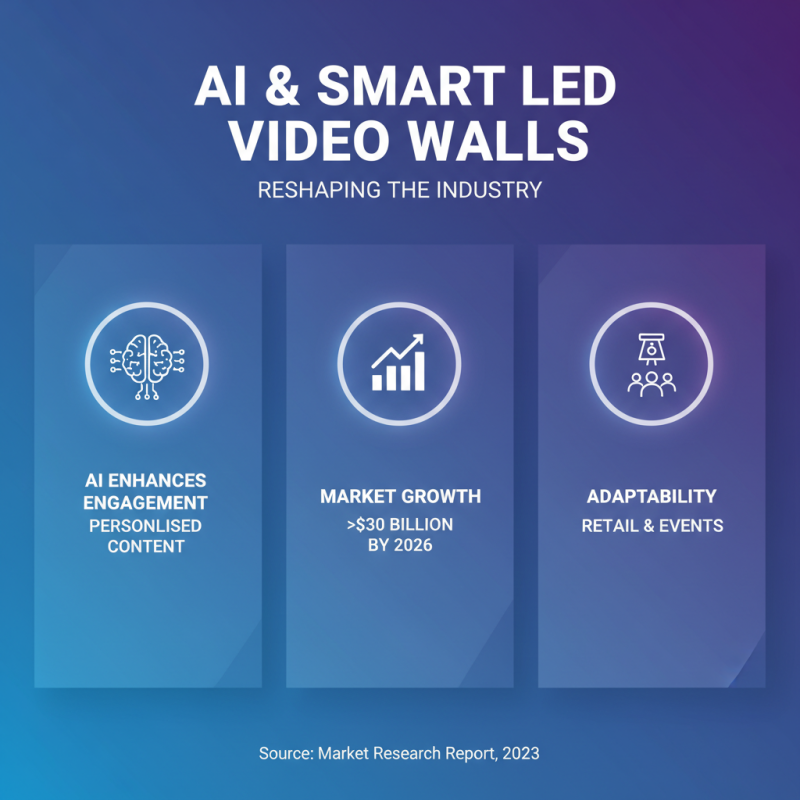
The integration of artificial intelligence and smart features in LED video wall solutions is reshaping the industry. According to a recent market research report, the global LED video wall market is projected to grow to over $30 billion by 2026. AI enhances user engagement by personalizing content based on viewer behavior. This adaptability is crucial in dynamic environments like retail and events.
Smart features offer real-time analytics, driving decision-making processes. Imagine a retail store using a video wall to display promotions based on immediate customer traffic data. Such applications illustrate how technology can transform audience interaction. However, integrating these features requires significant investment and technical know-how, which can pose challenges for smaller businesses.
Additionally, while AI can optimize display content effectively, data privacy concerns arise. Ensuring customers' personal information remains protected is vital. Without robust security measures, companies could face backlash, undermining the benefits of smart technology. Reflecting on these challenges, businesses must weigh the pros and cons of adopting AI in their strategies.
Sustainability Trends Impacting the LED Video Wall Industry in 2026
Sustainability is reshaping the LED video wall industry in 2026. Companies are focused on reducing waste and energy consumption. This shift is not just beneficial for the environment; it can also enhance brand loyalty. Customers appreciate businesses that prioritize eco-friendly practices.
One promising trend is the use of recyclable materials in manufacturing. Many manufacturers are exploring innovative ways to source materials sustainably. It’s essential to choose LED walls that minimize harmful components. Always check for certifications that indicate eco-friendliness.
Energy-efficient technologies are also on the rise. These solutions lead to lower operational costs and reduced carbon footprints. Investing in LED panels with extended lifespans can pay off in the long run. Aim to collaborate with manufacturers who share your sustainability vision.
As buyers, evaluating the long-term impact of LED video walls is crucial. Consider how your choice affects the environment over time. Implementing sustainable practices can drive significant change. Stay informed about evolving industry standards. Engaging in conversations about sustainability can elevate your business's credibility.

 +86-750-3598205
 CONTACT NUMBER