2026 Top Seg Wall Display Trends Buyers Need to Know?
As we approach 2026, understanding the latest Seg Wall Display trends is critical for retailers. The visual merchandising landscape is evolving rapidly. According to a recent report by Grand View Research, the global retail displays market is projected to reach $25 billion by 2028, driven by innovative display solutions that enhance customer engagement.
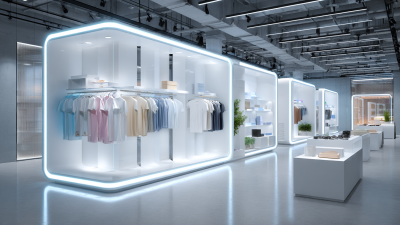
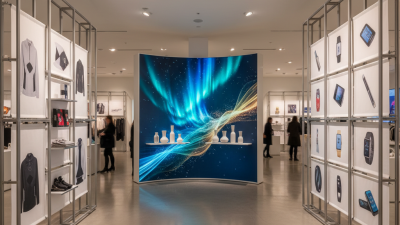
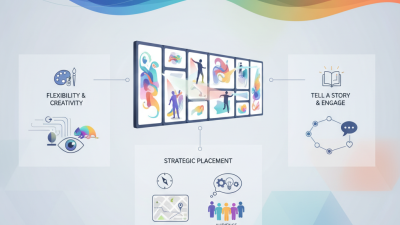
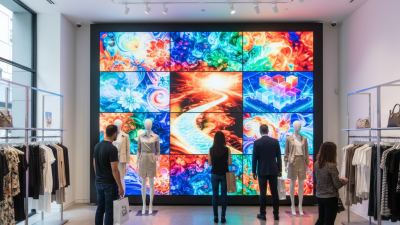
Seg Wall Displays are revolutionizing store layouts and customer experiences. These displays provide dynamic visual storytelling opportunities, guiding shoppers through designed spaces. The convenience and flexibility of Seg Wall Displays make them a preferred choice among retailers. This increases the likelihood of impulse purchases and enhances brand visibility.
However, keeping up with these trends can be challenging. Retailers must continuously adapt to changing consumer preferences. Some may underestimate the impact of effective display solutions. As businesses move forward, integrating technology with Seg Wall Displays may be crucial. It’s essential to balance creativity with functionality to truly engage shoppers and reflect brand identity. Looking ahead, retailers must not only embrace these trends but also critically assess their impact and effectiveness.
Emerging Materials and Technologies in Seg Wall Displays for 2026
As we look ahead to 2026, the segmentation wall display (SEG) market is evolving rapidly. Emerging materials and technologies are reshaping this landscape, offering new opportunities for brands. A recent industry report noted that 75% of display solutions are adopting sustainable materials. Eco-friendly textiles, such as recycled polyester and organic cotton, are gaining traction. These materials enhance not only the environmental profile but also the visual impact of displays.
Furthermore, advancements in printing technology allow for vibrant colors and intricate designs. Dye-sublimation printing is becoming increasingly popular, with a 35% increase in use reported in the last year alone. This technology provides sharp images and is highly durable, making it ideal for various environments. Innovative lighting systems, like LED edge lighting, are also on the rise, creating more dynamic visuals.
However, challenges persist in balancing cost-effectiveness with quality. Many businesses find it difficult to justify the initial investment in advanced materials and technologies. There is a noticeable hesitation among smaller enterprises, which often rely on traditional methods. Keeping up with the evolving trends is essential, but it requires careful planning and analysis to ensure effective implementation and return on investment.
Key Design Aesthetics Shaping Seg Wall Displays Industry Trends
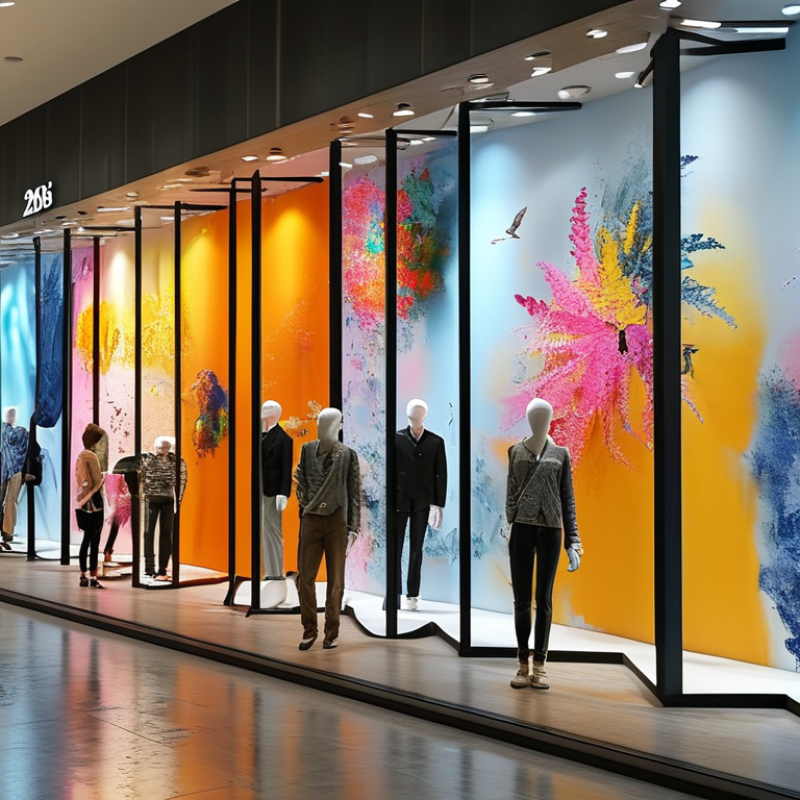
The SEG (Silicone Edge Graphics) wall display industry is evolving rapidly, influenced by key design aesthetics. Seamless designs are becoming a core component. These displays create a smooth, polished look, enhancing visual appeal. Bold colors and clean lines are not just trends; they resonate with modern consumers seeking simplicity and elegance.
Textures also play a crucial role. Matte finishes and fabric-like surfaces are drawing attention. They evoke a sense of warmth and authenticity. Visitors are subconsciously attracted to displays that feel natural and tactile. The interaction with the display can elevate the overall experience. It is important not to overlook this sensory element in design.
Tips: Experiment with different materials. Consider the environment where the display will be placed. Ensure light reflects well to maintain visibility. Regularly gather feedback on designs. This feedback loop is vital for ongoing improvements. Keep exploring innovative concepts while remaining grounded in customer preferences.
Sustainability Practices in the Production of Seg Wall Displays
The trend of sustainability in the production of SEG wall displays is gaining momentum. As consumers become more environmentally conscious, manufacturers face mounting pressure to adopt eco-friendly practices. Many companies are now opting for recyclable materials. This aligns their products with the growing demand for sustainable solutions. However, the transition is not always flawless. Some manufacturers struggle to find the right balance between cost, quality, and environmental impact.
Using sustainable materials can be tricky. For instance, some fabrics may be more eco-friendly but lack durability. This could affect the lifespan of the display and lead to higher costs in the long run. Companies need to constantly evaluate their choices. Finding suppliers committed to sustainability is essential, yet often challenging. The market is still evolving, and not all companies have the same level of commitment.
Additionally, adopting sustainable practices can sometimes lead to unintended consequences. While focusing on eco-friendly materials, designers may overlook other factors, such as production waste. It's crucial to address the entire lifecycle of the product, from manufacturing to disposal. It's a complex journey, but the push for sustainability presents an opportunity for innovation in the SEG wall display industry.
Consumer Engagement Strategies Through Innovative Seg Wall Displays
Innovative Seg Wall Displays are essential for effective consumer engagement. In 2026, brands must focus on strategies that captivate shoppers. According to a recent industry report, 75% of consumers experience a higher level of interest when products are showcased in interactive displays. This trend emphasizes the importance of creativity and innovation in display strategies.
To enhance engagement, brands can incorporate augmented reality (AR) elements into Seg Wall Displays. AR creates an immersive experience, allowing consumers to visualize products in their own environment. Retailers that integrate digital experiences report a 30% increase in conversion rates. The interactive nature of these displays not only attracts attention but also fosters a deeper emotional connection with the brand.
**Tip:** Use bold colors and dynamic designs to catch the eye of potential buyers. Simplicity in messaging is vital. Complex displays can overwhelm shoppers. Remember, less can be more.
Another effective strategy involves changing the display frequently. Keeping the presentation fresh can entice repeat visits. This strategy also encourages consumers to explore new products regularly. Consistent updates create excitement and anticipation, drawing shoppers back into the store.
**Tip:** Monitor consumer feedback on display effectiveness. Adjust based on preferences and behaviors. Listening to your customers drives better results. Engaging them means never settling for mediocrity.
2026 Top Seg Wall Display Trends Buyers Need to Know
Market Insights: Buyer Preferences and Trends in Seg Wall Displays
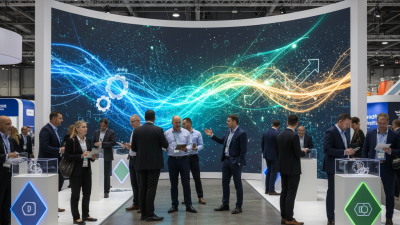
In recent years, SEG wall displays have become an essential component in retail and trade show environments. According to a report by MarketsandMarkets, the global market for SEG displays is projected to reach $1.2 billion by 2026, driven by increasing demand for high-quality visuals and flexible designs. Buyers are leaning towards eco-friendly solutions, reflecting a broader industry trend toward sustainability. Materials that are easy to recycle or made from recycled content are gaining traction.
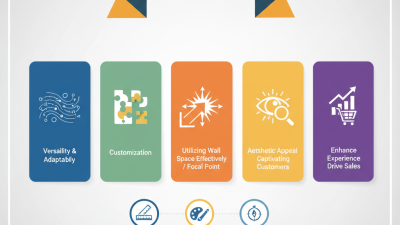
Buyers appreciate the versatility of SEG wall displays. They can be customized for various settings, making them ideal for seasonal promotions and branding. However, there are challenges. Not all manufacturers meet quality standards, leading to inconsistencies in product durability. This can be a significant pain point for buyers, who are looking to maximize their investment.
Another trend is the integration of technology, such as LED lighting and interactive elements. Studies show that displays with enhanced interactivity can boost engagement by up to 30%. However, not all buyers capitalize on this trend. Some may find the initial costs prohibitive or lack the knowledge to implement these features effectively. This indicates a need for better education and support within the industry.
2026 Top Seg Wall Display Trends Buyers Need to Know
| Trend |
Description |
Buyer Preference |
Growth Potential (%) |
| Interactive Displays |
Incorporating touch and sensory technology to engage customers. |
High demand for engaging customer experiences. |
30% |
| Sustainability |
Use of eco-friendly materials and processes in display production. |
Increasing preference for environmentally responsible products. |
25% |
| Customization |
Tailored displays to meet specific branding requirements. |
Demand for personalized shopping experiences. |
40% |
| Technology Integration |
Incorporation of digital signage and QR codes for additional information. |
Growing preference for high-tech solutions in retail. |
35% |
| Minimalistic Design |
Clean and simple designs that focus on the product. |
Preference for streamlined visual communication. |
20% |

 +86-750-3598205
 CONTACT NUMBER