2026 Best LED Extrusion Solutions for Global Buyers?
In the evolving world of lighting solutions, LED extrusion stands out as a key player. Experts like Dr. Emily Carter, a leading figure in sustainable lighting technology, emphasize its potential: “LED extrusion not only enhances design but also significantly improves energy efficiency.” This innovation has attracted global buyers seeking to leverage its benefits.
The market is witnessing a shift towards customized solutions, where buyers demand versatility and performance. Manufacturers are responding by offering diverse profiles that suit various applications. However, challenges remain. Not all products meet high standards of quality and durability, leading to buyer dissatisfaction.
As the industry progresses, it is crucial to discern between reliable suppliers and those that compromise on quality. Making informed choices is vital. Buyers should seek expert advice and not rush into decisions. The search for optimal LED extrusion solutions requires both patience and expertise.
Overview of LED Extrusion Solutions Available in 2026
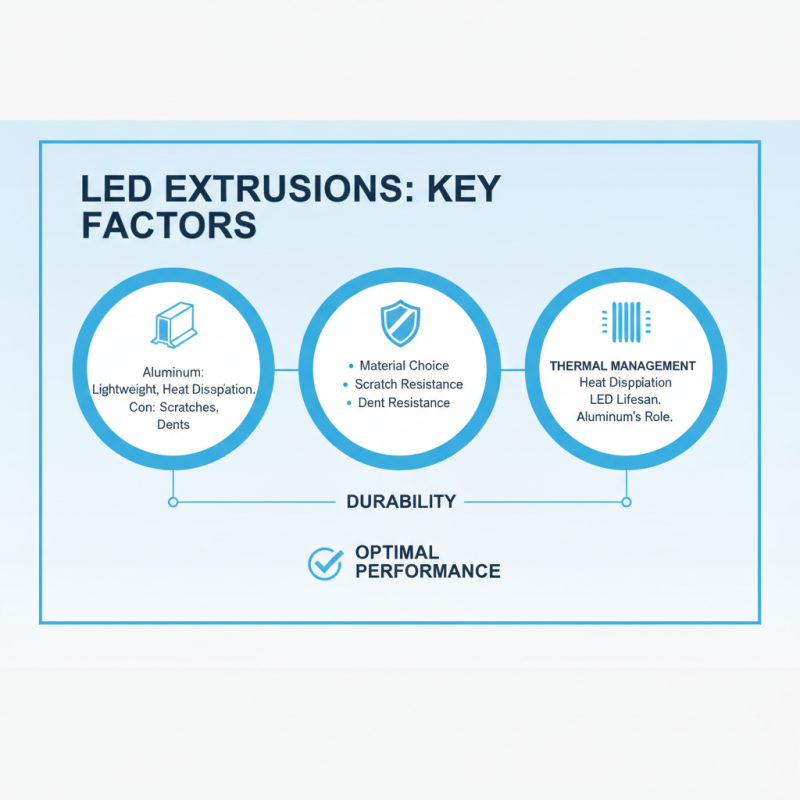
In 2026, the landscape of LED extrusion solutions is evolving rapidly. These innovations focus on versatility and efficiency. Buyers now seek extrusions that enhance light distribution and aesthetic appeal. The materials used are varied, with options in aluminum and durable plastics. These materials provide excellent heat dissipation, which is crucial for longevity.
Design flexibility is another key factor. Customization allows for various shapes and sizes. Manufacturers are responding to the demand for creative designs that fit unique applications. Yet, not all solutions are equal. Some may boast of durability but fall short in practical application. It's important to consider both technical specifications and real-world performance.
Market trends indicate a preference for sustainable options. Extrusions that minimize waste during production are gaining traction. However, the balance between sustainability and cost-effectiveness remains a challenge. As buyers explore various options, they must reflect on their priorities. Choosing the right solution may require more than just surface-level analysis.
2026 Best LED Extrusion Solutions - Market Analysis
Top Innovations in LED Extrusion Technology for 2026
The LED extrusion industry is on the brink of remarkable innovations in 2026. This year, experts predict a growth rate of about 8% in the global market for LED solutions. The push towards energy efficiency drives these developments, as consumers and businesses seek sustainable lighting options. New materials are emerging that enhance thermal conductivity and durability. These innovations promise longer lifespans for LED products.
One significant trend is the integration of smart technology into LED extrusions. Reports indicate that around 50% of new products will incorporate IoT features. With smart extrusions, users can customize light settings through applications, making them more user-friendly. However, the complexity of these technologies may challenge some manufacturers. Keeping costs low while ensuring quality remains a critical hurdle.
As demand for sustainable solutions rises, recyclable materials are becoming more prevalent in LED extrusion. Industry reports show that around 30% of consumers prioritize eco-friendly products. Yet, many companies struggle to source these sustainable materials effectively. It’s clear that while the future looks bright for LED extrusion technology, challenges in innovation and implementation still exist.
Comparative Analysis of Global Suppliers of LED Extrusions
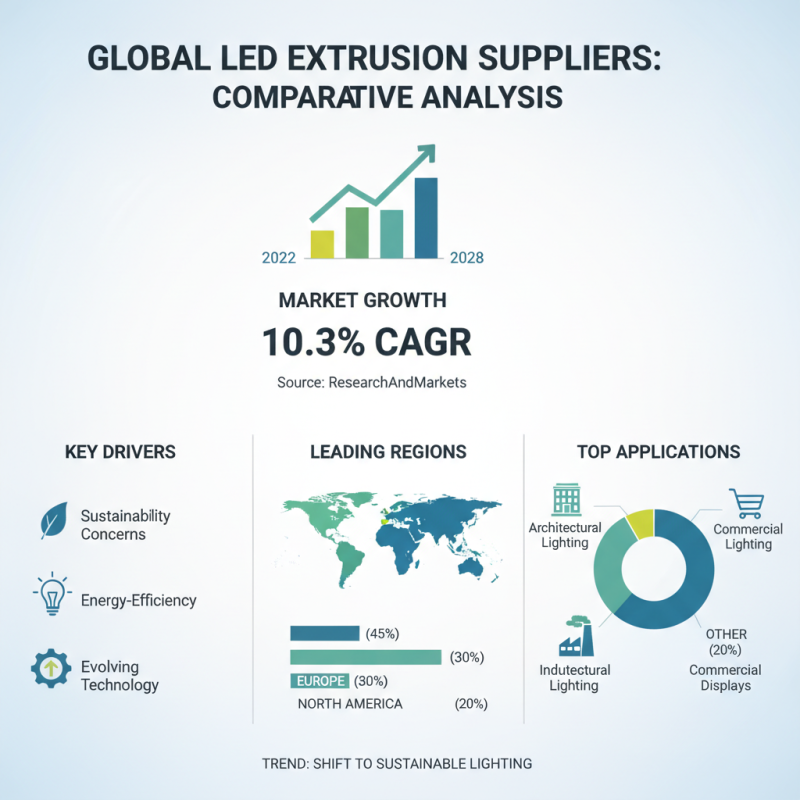
The market for LED extrusions is rapidly evolving. A recent report by ResearchAndMarkets highlights significant growth, estimating a compound annual growth rate (CAGR) of 10.3% from 2022 to 2028. This growth reflects a transition towards energy-efficient lighting solutions, encouraged by sustainability concerns.
In the global comparison of LED extrusion suppliers, quality and innovation are paramount. A survey conducted by Statista indicates that 72% of buyers prioritize durability and design in their sourcing decisions. Yet, many buyers still navigate challenges like inconsistent product quality. Supplier transparency in manufacturing processes remains a key issue. Many suppliers fail to provide detailed specifications, leading to buyer uncertainty.
Additionally, geographical distribution impacts supplier efficiency. Suppliers in Asia dominate the market, primarily due to lower labor costs and shorter lead times. However, logistical challenges can undermine these advantages. Suppliers in North America and Europe often prioritize higher quality and faster response times but may struggle with higher production costs. Striking a balance between cost and quality is crucial for buyers navigating this complex landscape.
Future Trends in LED Extrusions and Market Predictions
The market for LED extrusions is evolving rapidly. As more industries adopt LED technology, understanding future trends is crucial. Analysts predict a significant shift towards energy efficiency. Manufacturers are focusing on designs that minimize waste and maximize light output. This trend will require innovative extrusion methods.
Consumer preferences are also changing. A demand for customizable solutions is increasing. Buyers now seek products that suit their specific needs. Responsive suppliers will capture a larger market share. However, many companies struggle to adapt. The balance between cost and innovation presents a pressing challenge.
Ultimately, the global landscape for LED extrusions will be defined by sustainability. Efficient production processes will likely dominate. Yet, keeping up with the pace can be difficult. Companies must remain vigilant about market shifts while refining their approaches. Flexibility and creativity will pave the way for long-term success.

 +86-750-3598205
 CONTACT NUMBER