What Are the Best Led Profiles for Your Projects?
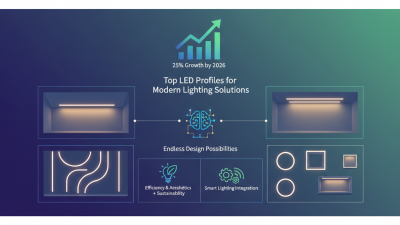
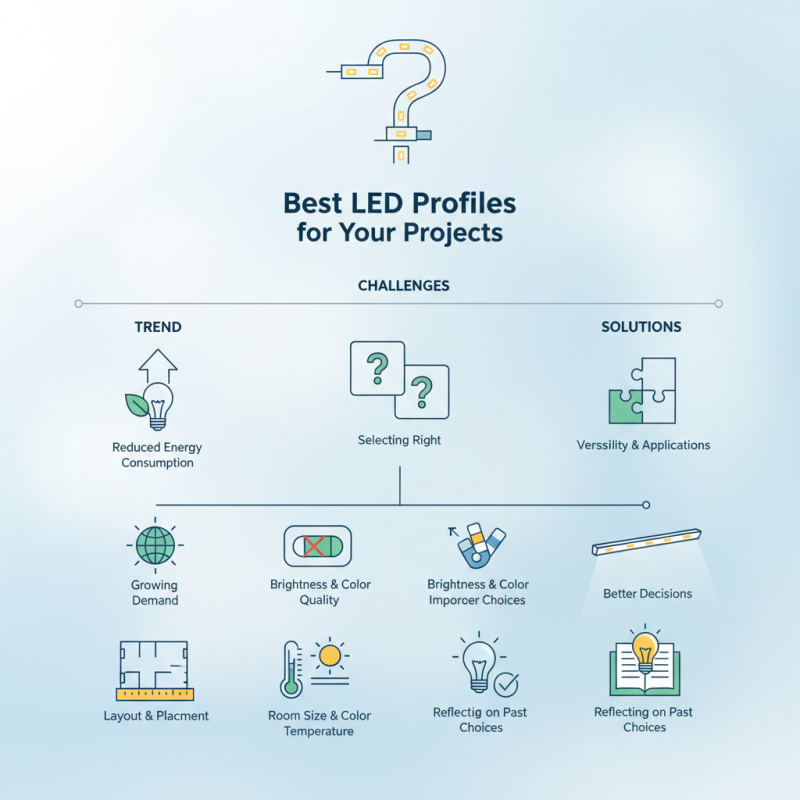
In recent years, the popularity of LED profiles has surged in various industries. According to the International Energy Agency, LED technology has contributed to a significant reduction in energy consumption. This trend reflects the growing demand for efficient lighting solutions worldwide. LED profiles offer not only flexibility but also a range of designs suitable for different applications.
However, selecting the right LED profiles can be challenging. Many buyers overlook factors like brightness and color quality. Reports show that improper choices can lead to inefficiencies in energy use. It’s essential to consider layout and placement when integrating LED profiles into projects. Factors such as room size and color temperature play a crucial role.
While the versatility of LED profiles is evident, not every solution fits every project. Some profiles may result in undesired lighting effects or shadows. Reflecting on past choices can provide valuable insights for future projects. Understanding the nuances of LED profiles can lead to better decisions and enhanced outcomes.
Understanding LED Profiles and Their Importance in Lighting Design
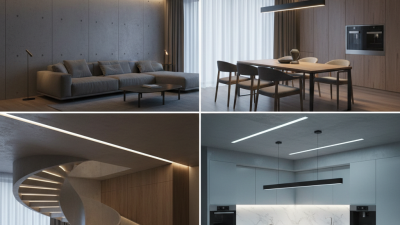
LED profiles play a crucial role in lighting design. They define not just the aesthetics but also functionality. Choosing the right profile can influence mood and efficiency. For example, narrow profiles can create elegant, streamlined effects. Broader profiles, on the other hand, can disperse light more evenly, reducing harsh shadows.
Understanding different LED profiles can enhance your projects. However, it is not always straightforward. Sometimes a chosen profile may not fit the intended space as envisioned. The selection process can feel overwhelming, especially with varying designs available. It's essential to reflect on the desired ambiance and functionality. Ensure the profile complements the overall design theme. Test a few different setups before making a final decision. Consider how fixtures interact with colors and textures in the room.
Don't hesitate to experiment. Sometimes the unexpected choices yield the best results. The interplay of light and shadow can evoke emotions. Remember, not every choice will be ideal. Learning from mismatches can shape future designs. Embrace the process and see where it leads your projects.
Types of LED Profiles: Recessed, Surface-mounted, and Suspended
When selecting LED profiles, consider three primary types: recessed, surface-mounted, and suspended.
Recessed profiles are often installed into ceilings or walls for a clean finish. They create a seamless look and can enhance the ambiance of any space. However, installation can be tricky. It requires precise cutting and a proper fit for a polished appearance.
Surface-mounted profiles are installed directly onto surfaces. They are versatile and easy to install, making them a popular choice for DIY projects. These profiles can be placed on walls, ceilings, or even furniture. While they are easier to work with, they might not blend as effortlessly into the surroundings as recessed options do.
Suspended profiles hang from ceilings and offer a unique design element. They can be adjusted to various heights, allowing for creative lighting designs. However, they might take up more space and require careful planning. Balancing design aesthetics and practicality is crucial when selecting the right profile for your project. Each type has its pros and cons, and the best choice often depends on individual project needs and space considerations.
Key Factors to Consider When Choosing LED Profiles for Projects
When selecting LED profiles for your projects, several key factors come into play. The intended use of the profiles is paramount. For instance, do you need a soft, ambient glow or bright task lighting? Understanding your project's lighting goals helps narrow down your options.
Choosing the right material can affect the durability and appearance of the LED profiles. Aluminum profiles are popular for their heat dissipation. They come in different shapes like U-shaped or V-shaped. This can influence how light is dispersed in your space. Consider where the profiles will be installed. Will they be in high-traffic areas or more sheltered spaces?
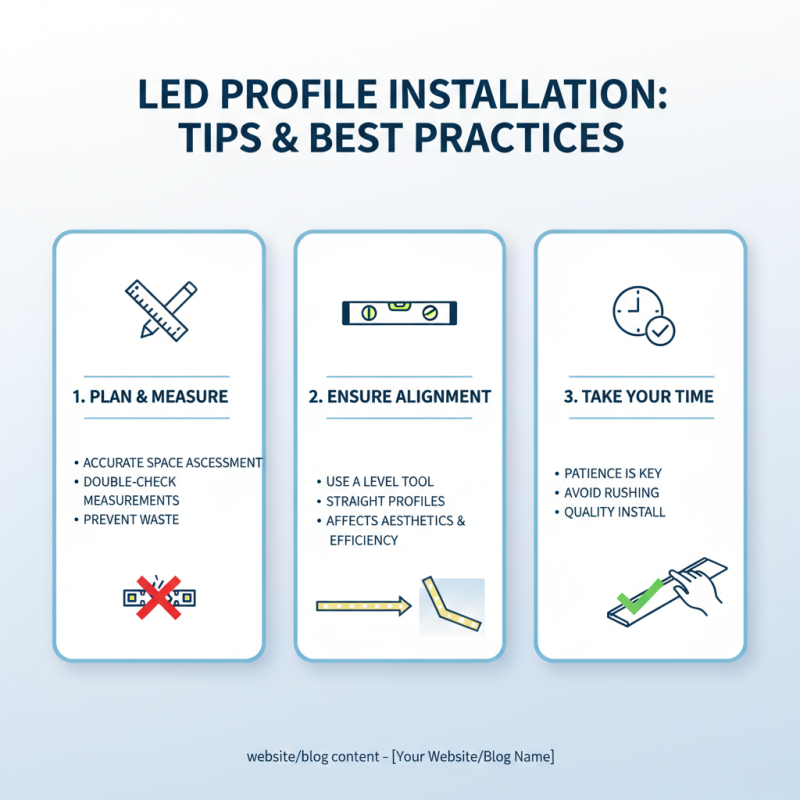
**Tip:** Always measure your installation space accurately before purchasing profiles.
The color temperature of the LED lights is also crucial. Cooler temperatures provide a bright, energetic feel, while warmer tones create a cozy atmosphere. Think about your project's desired mood. Lighting can greatly influence how people perceive a space.
**Tip:** Test a few samples in your actual environment before making a final decision.
Reflecting on these factors can lead to better project outcomes. Balancing aesthetics with functionality is essential. LED profiles should enhance your design, not overpower it.
Popular Materials and Finishes for LED Profiles
When selecting LED profiles for your projects, the choice of materials and finishes can significantly impact aesthetics and functionality. Common materials include aluminum, plastic, and glass.
Aluminum profiles are lightweight and durable, making them a popular choice. They conduct heat well, helping to prolong the lifespan of LEDs. Plastic profiles, on the other hand, offer flexibility in design and are often used for cost-effective solutions. However, they may not disperse heat as effectively as aluminum.
Finishes also play a critical role. Anodized aluminum can add a sleek, modern look while enhancing corrosion resistance. Matte finishes can help diffuse light evenly, reducing glare. Glossy finishes look refined but can highlight fingerprints and dust more readily. Opting for a clear or frosted cover can further refine the light output, balancing brightness and softness. Some designs have sharp edges that, while stylish, might pose safety concerns in certain environments.
Reflecting on your project's needs is essential. Consider where the profiles will be installed and the desired lighting effect. Are they for commercial spaces or residential areas? Each scenario may require a different approach. Ultimately, the best choice often requires trial and error to achieve the perfect blend of style and functionality.

 +86-750-3598205
 CONTACT NUMBER