How to Choose a Modular Booth at the 2026 Canton Fair?
Choosing the right Modular Booth for the 2026 Canton Fair can make a difference in showcasing your brand effectively. John Doe, a leading expert in exhibition design, states, "A well-designed Modular Booth is the key to engaging potential clients." The fair will feature major themes like advanced manufacturing and quality home goods, making display choices crucial.
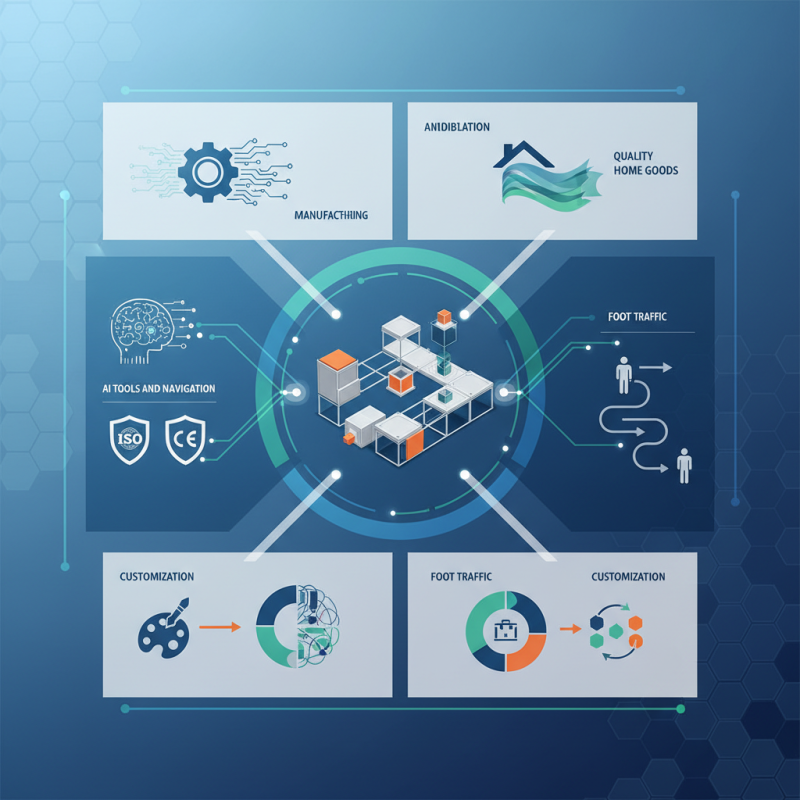
During this event, which spans from April 15 to May 5, 2026, thousands of exhibitors will showcase innovative products. The introduction of AI tools enhances navigation. Attendees can easily locate exhibitors with specific certifications, like ISO or CE. This efficiency can clearly affect your booth's foot traffic.
However, not every Modular Booth design is perfect. Some may overlook practical elements, leading to confusion. Consider the overall layout and how it reflects your brand identity. Not every Modular Booth allows for easy customization. Reflect on your design choices to ensure they align with your marketing strategy and audience engagement goals.
Choosing the Right Modular Booth Size for Your Exhibit Needs
When selecting a modular booth for the 2026 Canton Fair, size plays a critical role. Choosing the right booth size will determine your exhibit's visibility and engagement level. Research shows that booths larger than 100 square feet attract 22% more visitors compared to smaller setups. It's essential to analyze your goals and resources when making this decision.
Consider what products or services you'll showcase. If you have a diverse range, a larger booth might be necessary. If you focus on a single offering, a smaller size could suffice. Think about traffic flow as well. A booth that is too cramped can overwhelm visitors. Aim for at least 10 square feet per person to ensure comfort and interaction.
Tips: Measure your display materials before deciding on a booth size. Visualize the layout to prevent any surprises during setup. Also, reflect on your target audience's preferences. They may enjoy an open area for exploration. A booth that feels inviting can create lasting impressions and leads.
Evaluating Flexibility and Customization Options in Modular Booths
Choosing the right modular booth for the upcoming 2026 Canton Fair requires careful consideration of flexibility and customization options. Modular booths are designed to adapt easily to various spaces. This adaptability is crucial in a dynamic exhibition environment. According to a recent survey by the Exhibition Industry Association, around 70% of exhibitors prioritize flexibility in booth design. This data underscores the importance of options that allow for easy reconfiguration.
Customization plays a key role in attracting attendees. A well-designed booth reflects your brand's message. Modular booths often come with interchangeable panels, allowing you to showcase different themes or products. Research by Event Marketing Institute indicates that personalized experiences increase booth engagement by 40%. However, not all modular solutions offer the same level of customization. Some provide basic templates, limiting your creative expression. It's essential to evaluate a booth provider's capabilities before making a decision.
The choice of materials also affects both flexibility and customization. Lightweight materials facilitate easier transportation and setup. However, durability is a concern. A balance must be struck between ease of assembly and structural integrity. Additionally, modular booths may require a higher initial investment but can lead to long-term savings through reusable components. Reflecting on these factors helps ensure that your investment meets future exhibition needs.
Flexibility and Customization Options in Modular Booths
Understanding Material Quality and Durability in Modular Booth Design
Choosing a modular booth for the 2026 Canton Fair involves a deep understanding of material quality and durability. The materials used in booth construction significantly impact the longevity and aesthetics of the exhibit. According to a recent industry report, over 65% of exhibitors emphasize durability when selecting booth materials. This factor not only ensures a booth withstands the rigors of the event but also maintains a crisp appearance throughout its lifecycle.
Wood, aluminum, and fabric are commonly used materials, each offering different benefits. Aluminum, for instance, is lightweight and corrosion-resistant. However, it might not provide the warmth of natural wood. On the other hand, while fabric booths allow for vivid graphics and flexibility, they tend to be less robust against wear and tear. Approximately 70% of exhibits experience some damage during events. This reality underscores the need for careful material selection and quality control in design.
Exhibitors should also consider the environmental impact of materials. Sustainable options are gaining traction, with 55% of respondents in a recent survey stating sustainability influences their booth choices. However, balancing eco-friendliness with durability poses challenges. Some biodegradable materials may not perform as well over time. This could lead to costly replacements. Thoughtfully reflecting on these aspects is crucial for creating a modular booth that resonates with visitors and meets practical needs.
How to Choose a Modular Booth at the 2026 Canton Fair? - Understanding Material Quality and Durability in Modular Booth Design
| Material |
Durability Rating |
Weight (kg) |
Ease of Assembly |
Cost ($) |
| Aluminum |
High |
25 |
Easy |
500 |
| Wood |
Medium |
30 |
Moderate |
600 |
| Plastic |
Low |
20 |
Very Easy |
300 |
| Steel |
Very High |
40 |
Difficult |
800 |
| Fabric |
Medium |
15 |
Easy |
200 |
Analyzing Cost-Effectiveness of Modular Booths vs. Traditional Options
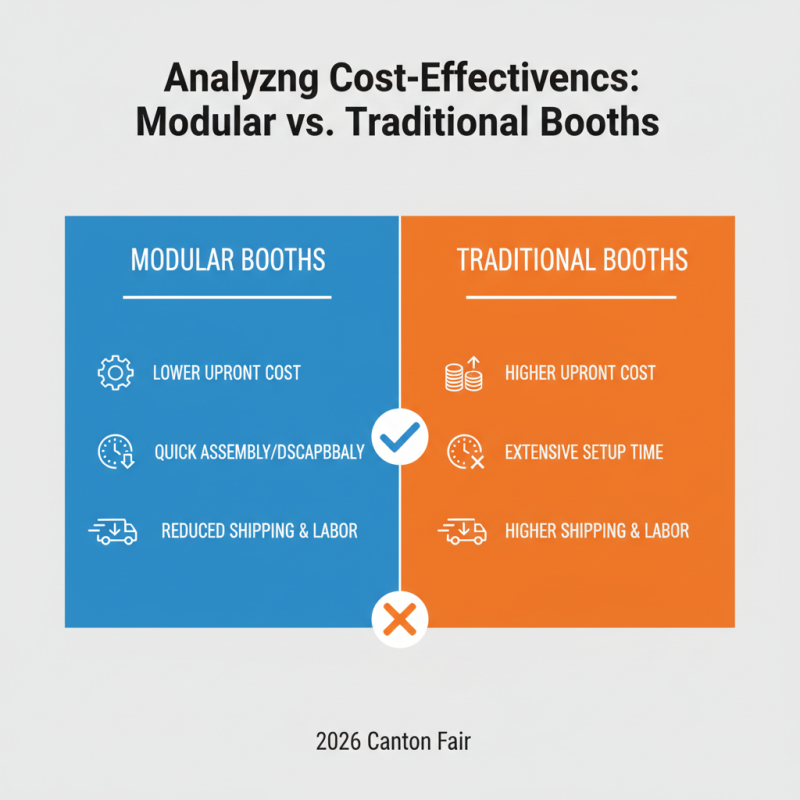
When considering a modular booth for the 2026 Canton Fair, cost-effectiveness is crucial. Modular booths are often more affordable than traditional setups. They can be assembled and disassembled quickly. This means less labor cost and time. In contrast, traditional booths require more resources. It often involves higher shipping costs and extensive setup time.
Durability is another factor. Modular booths tend to be constructed from high-quality materials. They can withstand the rigors of transport and multiple uses. Traditional options may not offer the same level of resilience. However, modular booths might lack unique designs. This can affect the visual appeal of your display.
Thinking about long-term value is vital. While traditional booths may appear impressive, they can be a one-time investment. In contrast, modular booths can be reused and adapted. This adaptability allows for flexibility in design for future shows. Nevertheless, not all modular options provide a professional image. It’s essential to scrutinize product quality and presentation. Your booth represents your brand. A thoughtful approach will yield the best return on investment.
Leveraging Technology Integrations for Enhanced Booth Engagement
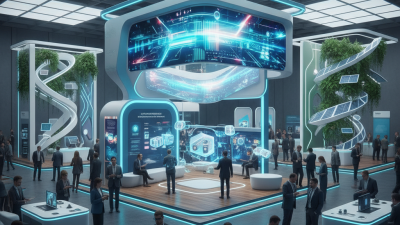
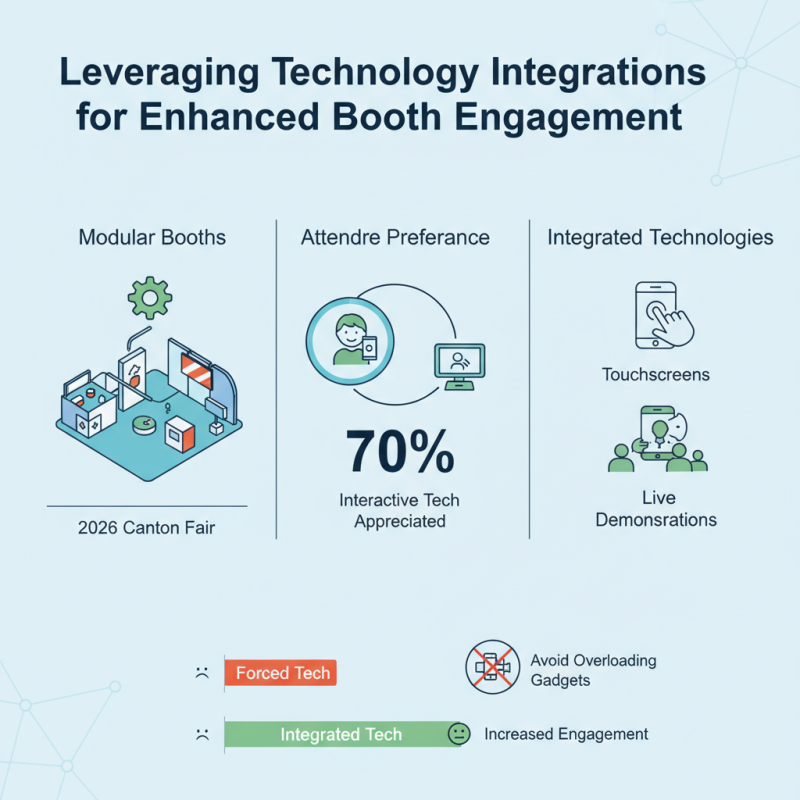
When selecting a modular booth for the 2026 Canton Fair, technology integration plays a crucial role. Current reports indicate that 70% of attendees appreciate booths with interactive tech. This technology can include touch screens, augmented reality, and live demonstrations. These elements not only attract visitors but also enhance their engagement with your offerings. However, technology must feel integrated, not forced. Overloading a booth with gadgets can alienate potential customers.
Moreover, personalized experiences through technology are becoming essential. According to a recent survey, 65% of booth visitors prefer tailored content that speaks directly to their interests. Using AI for personalized recommendations can truly elevate the visitor journey. Nevertheless, there are challenges. Implementing intricate technology requires staff training and infrastructure support. If not properly executed, the tech can become a distraction rather than an attraction.
Furthermore, simplicity often wins. Some of the best booths use minimal tech to create an inviting atmosphere. The challenge lies in balancing innovation with ease of use. While advanced features can captivate, they should not overwhelm. Visitors appreciate a seamless experience. Innovations should enhance interaction, not hinder it. It's essential to reflect on how technology can genuinely serve your objectives at the fair.

 +86-750-3598205
 CONTACT NUMBER