How to Choose the Best Aluminum Seg Light Box for Your Needs?
Choosing the right Aluminum Seg Light Box can significantly impact your advertising efforts. These versatile light boxes are popular for their vibrant displays and energy efficiency. They attract attention, making them great for retail spaces and events. However, the abundance of options can be overwhelming.
When selecting an Aluminum Seg Light Box, consider your specific needs. Think about where you will use it and the type of visuals you want to display. Not all light boxes are created equal. Some may not withstand weather conditions, while others might not provide the brightness you need.
It's essential to weigh factors like size and portability against durability and lighting quality. Each choice you make leads to different outcomes. Reflect on what works best for your business message. Explore various features and brands, but remember that quality matters as much as cost. Taking the time to choose wisely will lead to a more effective promotion.
Understanding the Basics of Aluminum Seg Light Boxes
Aluminum SEG light boxes are increasingly popular in advertising. They utilize silicone edge graphic (SEG) technology for a sleek and modern display. This method ensures vibrant colors and smooth edges, making visuals more appealing. According to industry reports, the global light box market is projected to grow at a CAGR of 5.4% from 2021 to 2028, driven by advancements in LED technology and rising demand in retail sectors.
Understanding the basic components of aluminum SEG light boxes helps in making informed choices. These boxes are typically lightweight yet durable. They come in various sizes, accommodating different advertising needs. The LED lighting within provides uniform brightness, enhancing the visual quality of the display. However, one must consider factors like location and exposure to natural light. These can affect the performance of the light box. Choosing the right material and design is crucial, as not all aluminum frames offer the same durability or aesthetic appeal.
When selecting an aluminum SEG light box, keep in mind the specific application. Indoor and outdoor environments pose different challenges. UV resistance becomes essential for outdoor use, while indoor displays may prioritize design over durability. Failure to assess these factors can lead to unforeseen issues, such as fading graphics or structural compromises. Making a choice without considering these details may not yield the desired impact.
Identifying Your Specific Lighting Needs and Requirements
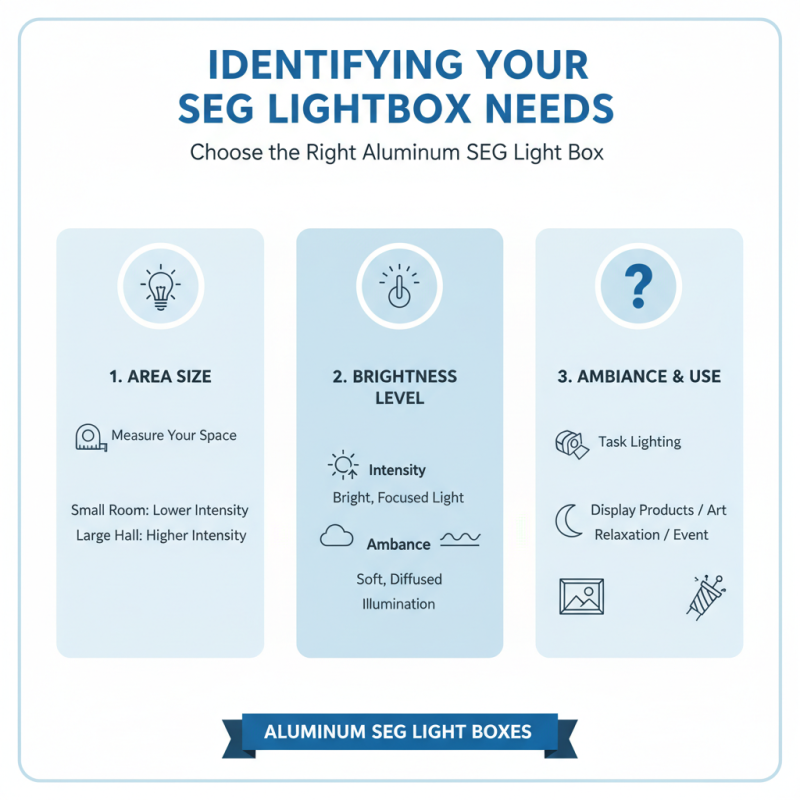
Identifying your specific lighting needs is crucial in choosing the right aluminum seg light box. These light boxes come in various sizes and brightness levels. Consider the area where you will use them. A small room may not need the same intensity as a large hall. Measure your space to ensure proper lighting coverage. Think about the ambiance you want to create. Do you need bright, focused light or softer, diffused illumination?
Next, evaluate the purpose of your lighting. Are you displaying art, products, or signage? Each application might require different lighting techniques. For product displays, even light distribution is key to highlight features effectively. For artistic displays, consider adjustable brightness and color temperature. You may need to experiment to find the best setting. This trial-and-error phase can often lead to unexpected but delightful results.
Don’t forget about energy efficiency and durability. Aluminum construction can offer longevity and resistance to wear. Reflect on whether you need a portable option or a fixed installation. Portability adds flexibility but may compromise stability. Evaluate your specific needs before making a decision. This reflective process ensures you choose a light box that truly fits your requirements.
Exploring Different Sizes and Styles of Seg Light Boxes
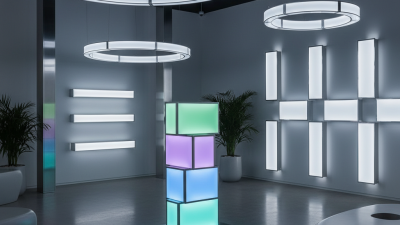
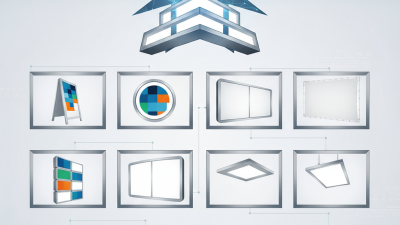
When selecting an aluminum SEG light box, size and style play vital roles. SEG light boxes come in various dimensions. Common sizes include small, medium, and large formats. Each size caters to different display environments. A small box is ideal for limited spaces, such as retail counters. Larger boxes work well for trade shows and exhibitions, offering greater visibility.
Styles of SEG light boxes also vary significantly. Some have a sleek, minimalist design while others feature bold, eye-catching profiles. Consider the decor of your environment. A modern light box may fit perfectly in a contemporary shop. Meanwhile, a classic style might enhance a traditional space. Pay attention to frame color and materials. These elements will affect the overall aesthetic and appeal.
It's essential to consider practicality too. Think about ease of installation and transport. Not all light boxes are equally portable. Some larger options can be cumbersome to move. Reflecting on your needs will help clarify your choice. Are you planning to change displays frequently? A lightweight design could offer flexibility. Evaluate your priorities and aesthetic preferences. Balancing form and function will lead you to the right aluminum SEG light box.
Choosing the Best Aluminum Seg Light Box: Size and Style Preferences
Evaluating Material Quality and Durability of Aluminum Light Boxes
When selecting an aluminum seg light box, material quality and durability are crucial. High-quality aluminum ensures longevity and resistance to wear. Look for lightweight options that do not compromise strength. Proper anodization can enhance resistance to corrosion, making the product last even longer. Consider how the box will be used. Outdoor environments can lead to quicker wear and tear.
Inspecting the finish is also important. A smooth, polished surface not only looks appealing but can also be easier to clean. This impacts the longevity of the light box since dirt and grime can degrade material over time. Small details matter, like the quality of joints and seams. Poor craftsmanship can lead to leaks or structural issues.
Think about your specific needs. A box designed for frequent transport will require tougher materials than one used in a fixed location. Evaluate potential damages or scratches. Consider how often you will replace your light box based on these factors. It's wise to balance initial costs with long-term performance. In the end, each decision contributes to a better choice for your requirements.
How to Choose the Best Aluminum Seg Light Box for Your Needs?
| Feature |
Description |
Importance Level |
| Material Quality |
High-grade aluminum ensures lightweight and strong construction. |
Critical |
| Durability |
Resistance to wear and weather conditions increases longevity. |
High |
| Weight |
A lightweight design facilitates easy installation and transport. |
Moderate |
| Finish Options |
Variety of finishes (anodized, painted) for aesthetic flexibility. |
Moderate |
| Size Variety |
Different sizes available to fit various advertising needs. |
High |
| Price Range |
Pricing varies based on size and features; budget accountability is key. |
Critical |
| Warranty |
A good warranty reflects manufacturer confidence and quality assurance. |
High |
Comparing Costs and Features of Various Seg Light Box Options
Selecting the right aluminum SEG light box involves understanding both costs and features. The market offers a range of options, so knowing what to prioritize is key. A recent report by Research and Markets indicates that the demand for light boxes is expected to grow by 5.1% annually through 2025. This growth presents both opportunities and challenges for buyers.
When comparing costs, consider materials and design. Premium aluminum frames may cost more but often offer better durability. Standard SEG light boxes can range from $200 to $600, depending on size and lighting options. In contrast, high-end models with advanced features can reach beyond $1,000. Buyers should weigh the upfront investment against long-term benefits.
Features play a vital role in the decision-making process. Look for options with easy-to-change graphics, as they provide flexibility. Brightness levels measured in lumens affect visibility, especially in varied environments. Pay attention to energy efficiency too. According to the U.S. Department of Energy, LED lighting can reduce energy costs by up to 75%. However, cheap alternatives might save money now but could lead to higher costs later due to frequent replacements. Balancing these factors is essential for making an informed choice.

 +86-750-3598205
 CONTACT NUMBER