How to Effectively Use a Seg Wall Display for Your Marketing Strategy
Introducing a Seg Wall Display into your marketing strategy can be transformative. Expert Sarah Thompson, a leading figure in visual merchandising, once stated, “Effective displays are crucial for capturing customer attention.” A Seg Wall Display can engage your audience and enhance brand visibility.
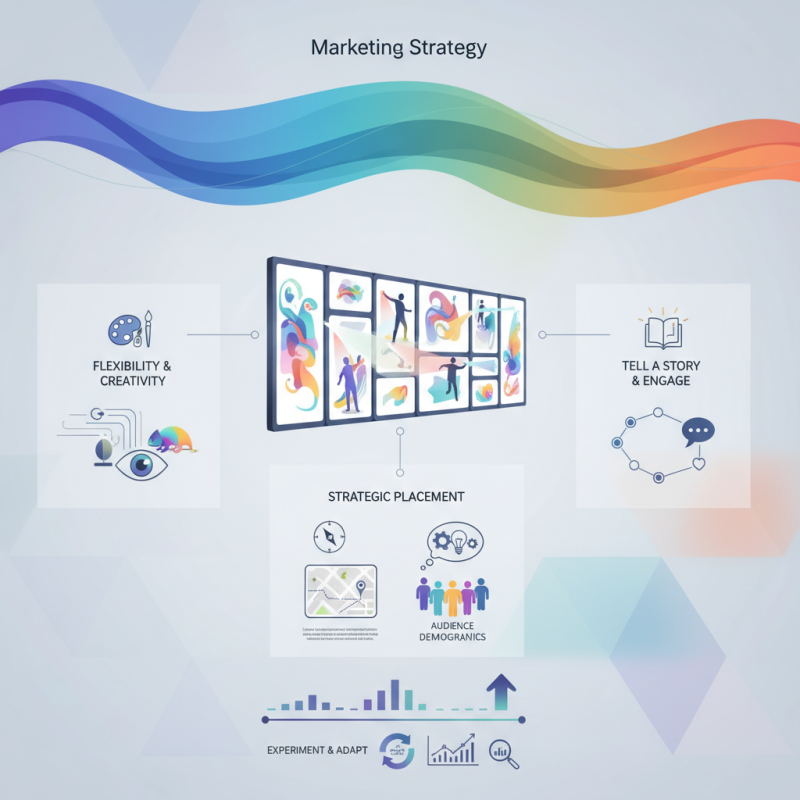
These displays offer flexibility and creativity. You can curate eye-catching visuals tailored to your message. However, many overlook their true potential. The challenge lies in designing displays that resonate with customers. It's vital to experiment and adapt based on feedback.
A Seg Wall Display is not just about aesthetics; it’s about strategic placement. You must consider traffic flow and audience demographics. Reflection on past campaigns can reveal insights for better usage. Creating a dynamic display takes thought and testing. Each Seg Wall Display should tell a story that connects with viewers.
Understanding the Role of Seg Wall Displays in Modern Marketing Strategies
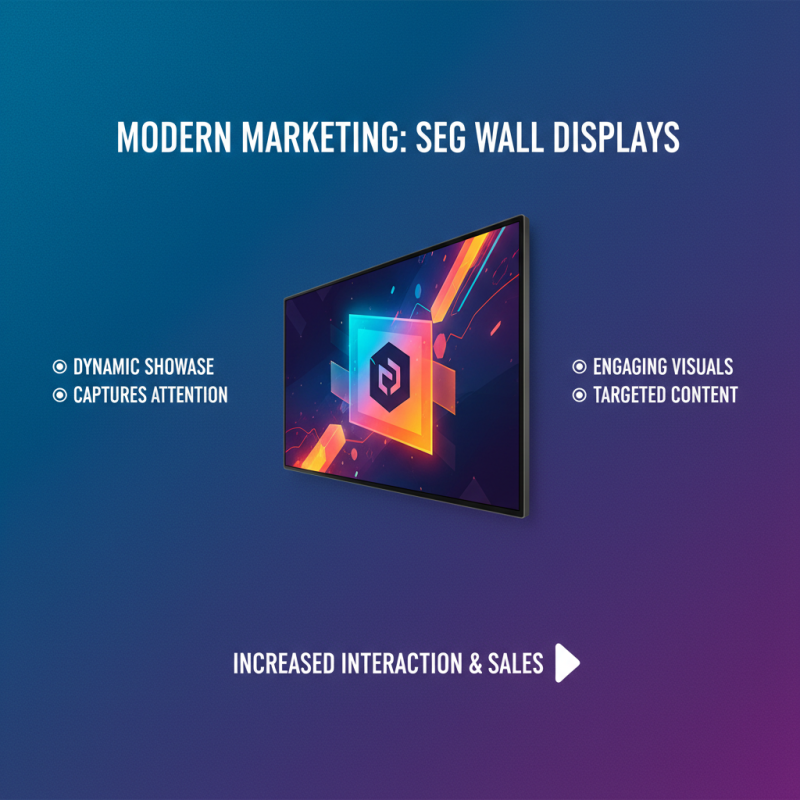
In modern marketing, the Seg wall display plays a crucial role. It offers a dynamic way to showcase products or services. This kind of display captures attention and encourages interaction. Visuals need to be engaging and clear. Ensure that the content is relevant to your target audience. Use vibrant colors and appealing images to draw in potential customers.
However, using Seg wall displays effectively can be challenging. It is easy to overwhelm viewers with too much information. Balance is key. Each display should tell a story, but not every detail needs to be included. Consider the layout carefully. White space can be as important as the images themselves.
Marketers must also reflect on their strategy. A well-placed display won't work if it's forgotten. Track its impact on customer engagement. Gather feedback regularly to understand its effectiveness. This practice can reveal strengths and weaknesses in your approach. Revisiting and revising strategies is essential for continuous improvement.
Analyzing Consumer Behavior and Engagement with Seg Wall Displays
Seg wall displays have become a popular tool for marketers. They offer a unique opportunity to engage consumers visually. A well-designed seg wall can attract attention and spark curiosity. Bright colors, striking images, and clear messaging are key elements. However, it’s crucial to ensure that these designs align with the brand’s identity. Mismatched visuals can confuse potential customers, leading to disengagement.
Analyzing consumer behavior is essential when utilizing seg wall displays. Observing how people interact can reveal important insights. For example, the placement of the display impacts foot traffic and engagement. A display near the entrance is likely to draw more attention. Yet, not all displays succeed; sometimes they are overlooked entirely. This can reflect a disconnect between consumer interests and the messaging presented.
Engagement metrics can further guide improvements. Tracking time spent in front of the display can indicate its effectiveness. High engagement with little conversion suggests a need for clearer calls to action. Therefore, it's important to adapt based on this feedback. Testing different designs and placements will help refine the strategy. Change will lead to better alignment with consumer behavior.
How to Effectively Use a Seg Wall Display for Your Marketing Strategy
| Consumer Segment |
Engagement Level (%) |
Preferred Content Type |
Average Time Spent (mins) |
Conversion Rate (%) |
| Young Adults (18-25) |
65 |
Videos |
8 |
4 |
| Adults (26-35) |
70 |
Infographics |
10 |
5 |
| Middle-Aged Adults (36-50) |
55 |
Articles |
7 |
3 |
| Seniors (51+) |
45 |
Newsletters |
5 |
2 |
Key Design Principles for Maximizing Visual Impact of Seg Wall Displays
Effective segmentation in wall displays can greatly enhance your marketing strategy. Key design principles are essential for maximizing their visual impact. According to recent reports, 74% of consumers find engaging displays highly influential in their purchase decisions. How you utilize color, layout, and messaging can make a significant difference.
One vital tip is to use bold colors. Bright hues capture attention and can elicit specific emotions. However, too much vibrant color can overwhelm. Balance is critical. Additionally, the layout should guide the viewer's eyes. A clean, organized structure helps convey your message effectively. A cluttered display may confuse rather than attract customers.
Another recommendation is to include interactive elements. Incorporating QR codes can bridge online and offline experiences. Research shows that displays with interactive components increase customer engagement by up to 40%. Nevertheless, ensure that interactions are intuitive. If they are complicated, potential customers may disengage. Always reflect on the user experience to optimize your design.
Seg Wall Display Effectiveness in Marketing Strategy
Case Studies: Successful Brands Utilizing Seg Wall Displays
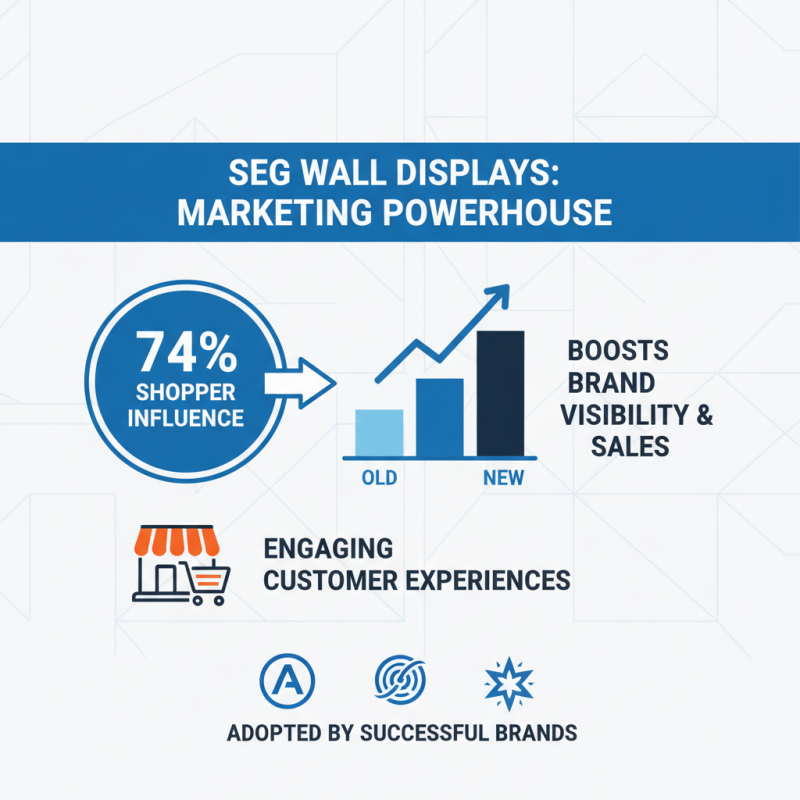
Seg wall displays have emerged as powerful tools in modern marketing. According to a recent study, 74% of shoppers report being influenced by visual merchandising. This means that well-designed displays can significantly boost brand visibility and sales. Many successful brands have adopted seg wall displays to create engaging customer experiences.
For instance, a household goods retailer utilized seg wall displays to showcase seasonal products. This strategy resulted in a 30% increase in related sales during major holidays. The display highlighted vibrant colors and appealing arrangements, drawing customers in. Another beauty brand effectively combined digital screens with seg wall displays. This approach yielded a 25% rise in foot traffic in select stores. However, not all brands see similar results. Ineffective designs can lead to clutter, overwhelming shoppers instead of engaging them.
An effective strategy requires regular assessment and adaptation. Continuous experiments with layout improvements and promotional messaging remain essential. Brands must analyze customer behaviors and tweak displays accordingly. While some have found success, others still search for the formula. Achieving the perfect balance is key to maximizing the impact of seg wall displays.
Measuring the Effectiveness of Seg Wall Displays in Marketing Campaigns
Seg wall displays are a dynamic tool in marketing campaigns. They offer visually striking graphics, drawing attention from potential customers. To measure their effectiveness, track engagement metrics carefully. This includes foot traffic and social media interactions. Observe how long customers linger around the display. You might find that certain colors or themes resonate better.
Another key aspect is customer feedback. Interviews or surveys provide valuable insights. Ask visitors what they think about the display. The responses can guide future design choices. However, don’t forget that not all feedback will be positive. Some may find the layout confusing or the messaging unclear. Such criticisms should not deter you; they offer a chance for growth.
Finally, analyze sales data following the campaign. A spike might indicate the display's success. Yet, if numbers remain flat, re-evaluation is needed. Consider experimenting with different placements or designs. Each campaign offers new lessons. Use these to refine future strategies.

 +86-750-3598205
 CONTACT NUMBER