2026 How to Create a Modular Booth for Your Next Event?
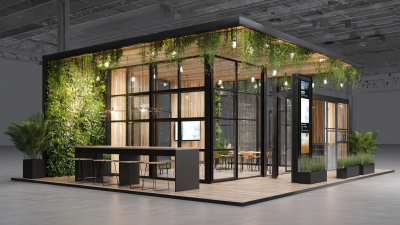
Creating a successful Modular Booth for your next event can be an exciting journey. A modular booth offers flexibility and innovation, making it easier to adapt to different spaces. With customizable components, you can design a booth that fits your brand.
Imagine a space that showcases your products while engaging attendees. You can arrange shelves, displays, and seating as needed. However, it’s essential to ensure all elements harmonize well. Sometimes, it can be challenging to achieve a cohesive look. Consider colors, materials, and textures carefully.
Moreover, think about functionality. A Modular Booth should not only look good but also serve a purpose. Are your designs intuitive to navigate? Attendees may be drawn to larger spaces but feel lost without clear pathways. Reflecting on audience needs will enhance the experience. A well-planned modular setup can attract more visitors and create lasting connections.
Understanding Modular Booths: Definition and Benefits
Modular booths are versatile and functional spaces designed for events. They consist of interchangeable parts, allowing easy reconfiguration. This flexibility means you can adapt to different spaces and needs. A well-designed booth can enhance engagement and attract visitors. It creates a memorable experience without overwhelming the audience.
One significant benefit is cost-effectiveness. Investing in modular components can save money on future events. Instead of starting from scratch, you can reuse and adjust your booth. However, careful planning is crucial. If components don’t fit well together, it can lead to a disjointed experience. Pay attention to materials and design elements to maintain a cohesive look.
Another advantage is the simplicity of setup. Many modular systems come with easy-to-follow instructions. This reduces the need for extensive labor. But, training your team to set up quickly is important. A rushed setup can lead to mistakes. Make sure to practice before the event. This ensures a smooth process and allows you to focus on engaging with attendees.
Event Booth Type Popularity in 2026
Key Elements of a Modular Booth Design
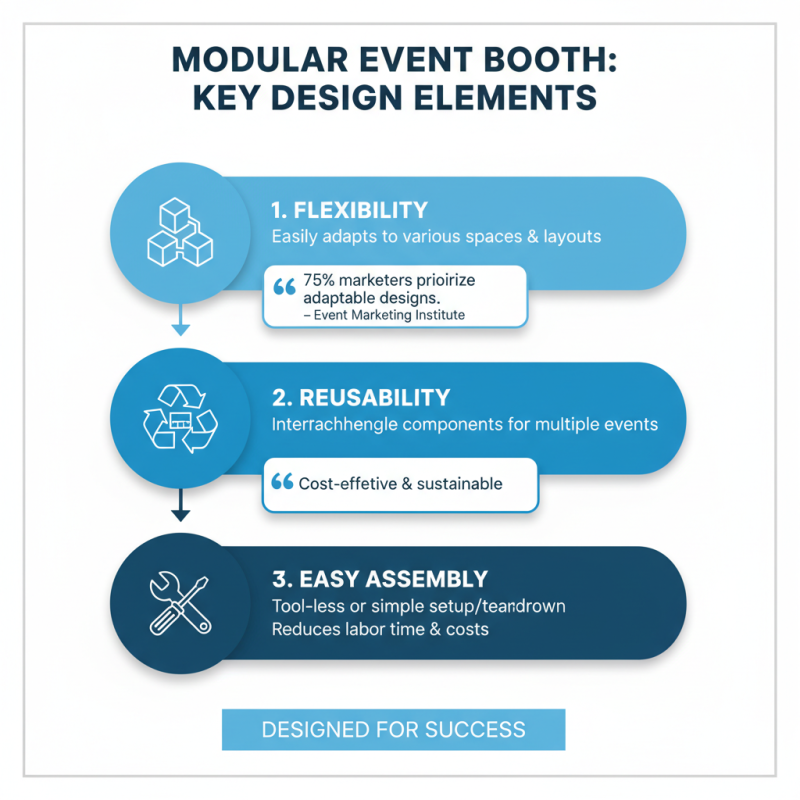
Creating a modular booth for your next event involves understanding key design elements. An effective modular booth should adapt easily to various spaces. Flexibility is crucial; a study from the Event Marketing Institute found that 75% of marketers prioritize adaptable designs in trade shows.
Incorporating lightweight materials can enhance mobility. Modular components allow for reconfiguration, creating new layout options. Think about visual appeal. According to the Center for Exhibition Industry Research, visually appealing booths can attract up to 30% more visitors. A bold color scheme and engaging graphics are effective here.
Consider storage solutions, too. Many modular designs overlook this aspect. Lack of storage can lead to clutter, diminishing overall impact. Design with purpose, ensuring every element has a function. Reflect on how these choices enhance interaction. The goal is to not only capture attention but also foster meaningful connections.
Step-by-Step Guide to Planning Your Modular Booth Layout
Planning a modular booth requires careful thought and creativity. Start by visualizing the space. Consider how you want to engage your audience. Think about the flow of traffic. Use sketching tools or simple paper layouts to brainstorm ideas. Allow flexibility in your design; it must adapt to different events.
Choose modular components that fit your vision. These could be walls, counters, or display units. Make sure each piece connects seamlessly. Test different configurations before finalizing your design. It might not work immediately. Reflect on what does and doesn’t fit the space and theme. Don't hesitate to pivot when you spot a flaw.
Next, consider the color scheme and branding. Bright colors may attract many eyes. However, they can be overwhelming. Balance is essential. Are the graphics clear? Is your messaging straightforward? Look for feedback from peers on your layout. Their insights could highlight aspects you might overlook. It’s all about refining the process.
2026 How to Create a Modular Booth for Your Next Event? - Step-by-Step Guide to Planning Your Modular Booth Layout
| Component |
Description |
Material |
Dimensions (ft) |
Estimated Cost ($) |
| Back Wall |
Main display area for branding and graphics |
Aluminum Frame with Fabric |
10 x 8 |
1500 |
| Side Walls |
Enclosing the booth for an intimate interaction space |
Aluminum Frame with Fabric |
8 x 8 |
1200 |
| Display Counters |
For product displays and brochures |
Wood with Laminate |
4 x 2 |
400 |
| Lighting |
To enhance visibility and ambiance |
LED Spotlights |
N/A |
200 |
| Flooring |
Comfort and aesthetic appeal |
Carpet Tiles |
10 x 10 |
600 |
| Signage |
Attracts visitors to the booth |
Vinyl Banner |
Variable |
250 |
Essential Materials and Tools for Building a Modular Booth
Creating a modular booth for your next event can greatly enhance your exhibition experience. Essential materials and tools are key to a successful setup. A versatile booth typically requires lightweight frames, fabric panels, and connectors. Research shows that 45% of exhibitors prefer using modular systems for their adaptability. This approach allows for easy reconfiguration.
Tip: Invest in good quality connectors. They can significantly influence the stability of your booth. Avoid the cheapest options; they may lead to structural issues.
For flooring, consider interlocking tiles or carpets. They provide comfort and a polished look. Reports indicate that 32% of event attendees pay more attention to well-designed flooring. Lighting also plays a crucial role. Adjustable LED lights can create an inviting atmosphere, but not all lighting works well. Be prepared to test different setups.
Tip: Don’t forget tools like a measuring tape and level. Precision can make a big difference in appearance. If your booth isn’t aligned correctly, it may distract from your message. Ultimately, reflect on your design's effectiveness after each event; even small adjustments can yield significant improvements.
Tips for Customizing Your Modular Booth for Specific Events
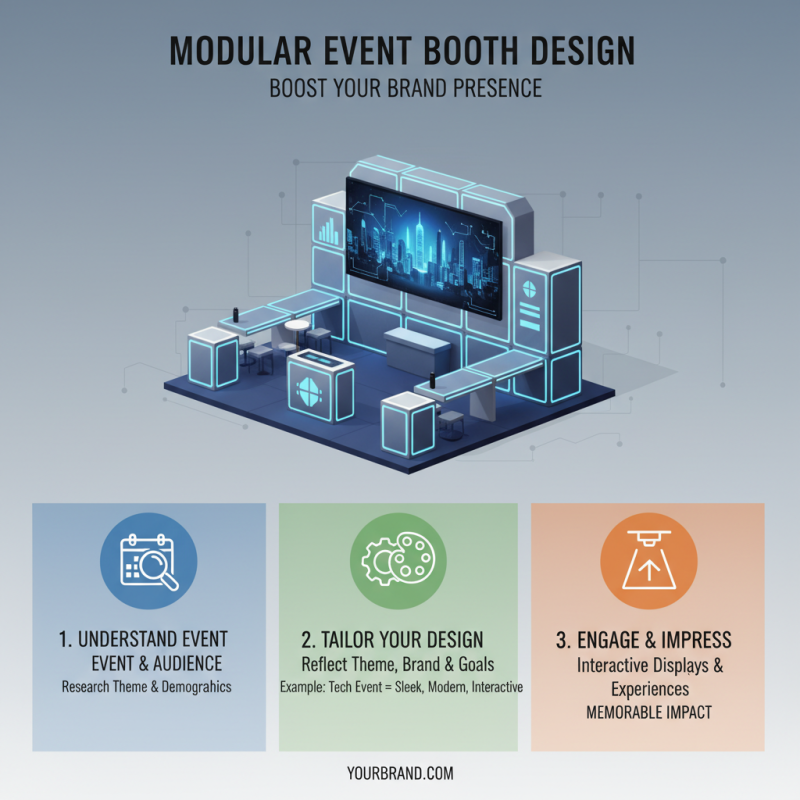
Creating a customized modular booth for specific events can enhance your brand's presence. Start by understanding the event's theme and audience. Tailor your booth design to reflect those elements. For instance, if the event centers around tech innovations, incorporate sleek, modern designs. Use interactive displays to engage attendees. These details make a significant difference.
Consider how the layout affects flow. Booths should invite traffic but not overwhelm visitors. Open spaces encourage exploration. However, crowded areas can cause frustration. Reflect on previous events to see what worked and what didn’t. Did visitors engage more with a particular design? Use that insight to adjust your booth design.
Not every aspect will be perfect. Perhaps the lighting didn’t enhance the booth’s appeal. Or maybe the color scheme clashed with the overall theme. Learn from these experiences. Adapt and aim for improvement at your next event. Balancing customization and functionality is key. Make changes, but don't forget to embrace what resonates with your audience.

 +86-750-3598205
 CONTACT NUMBER