Leave Your Message

How to Set Up a Led Video Wall for Stunning Visual Experiences?

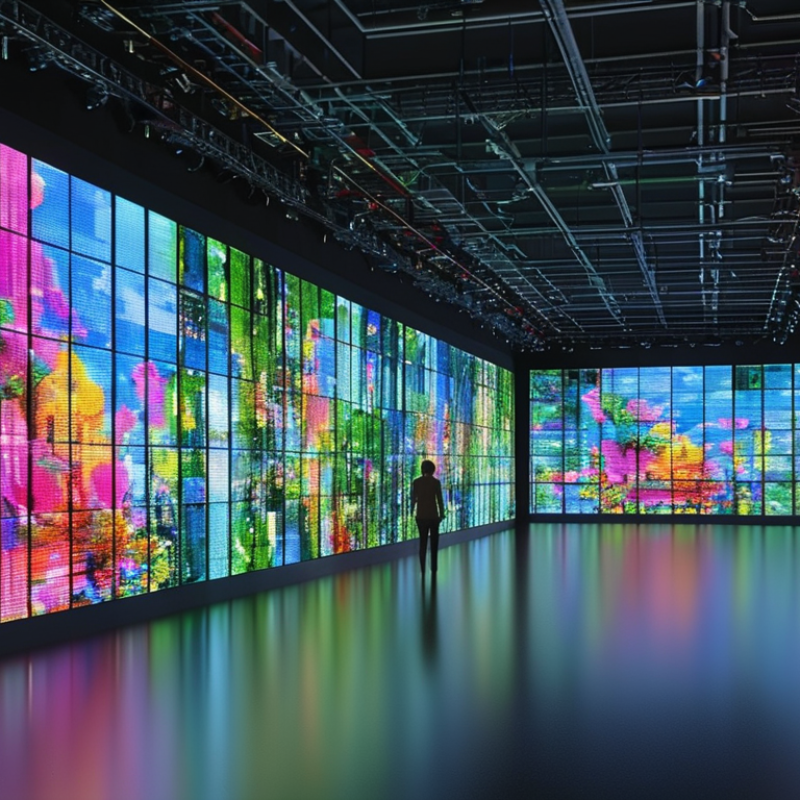
Creating a stunning visual experience often begins with a well-designed LED Video Wall. These walls can captivate any audience. The vibrant colors and sharp images breathe life into events. However, setting up an LED Video Wall requires careful planning and execution.

Understanding your space is crucial. Consider factors such as lighting conditions and audience distance. A poorly positioned LED Video Wall may result in uneven viewing experiences. You might face challenges like pixelation or color distortion if the setup isn’t meticulous. Reliable professionals can guide you through this process.

Moreover, selecting the right technology is essential. Not all LED systems are the same. You must evaluate your budget and specific needs. Reflecting on these aspects leads to a more effective implementation. An effective setup turns ordinary presentations into extraordinary visual journeys. Embrace both the possibilities and challenges of setting up your LED Video Wall.
How to Set Up a Led Video Wall for Stunning Visual Experiences?

Understanding LED Video Walls and Their Applications

LED video walls have become popular in various industries for creating stunning visual experiences. These installations offer high resolutions and vibrant colors, which enhance advertising, entertainment, and information sharing. In events like concerts or corporate presentations, LED walls can capture attention instantly. Their versatility allows for dynamic content displays, making them suitable for both indoor and outdoor settings.

Applications of LED video walls extend beyond events. Retail spaces use them for eye-catching displays that draw customers in. Sports arenas leverage these walls to showcase live action, replays, and game stats. Museums and galleries adopt them for immersive storytelling. However, challenges exist, such as ensuring proper setup and calibration to achieve optimal performance.

Careful consideration of viewing angles and lighting conditions is essential. Subpar installations can lead to disappointing visual experiences, highlighting the importance of expertise in the setup process. Reflection on previous projects can aid in improving future installations, enhancing overall quality.

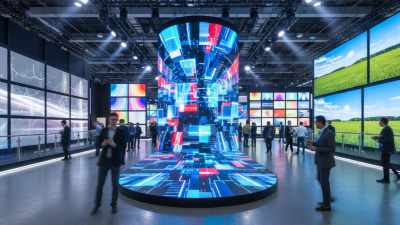
Essential Components for Setting Up an LED Video Wall

Setting up an LED video wall involves several essential components that are crucial for achieving stunning visuals. The most important part is the LED panels themselves. These panels come in various resolutions, sizes, and pixel pitches. A higher resolution ensures sharper images, making them ideal for close viewing. However, balancing cost and quality can be tricky, as the best panels often come with a higher price tag.

Next, you will need suitable hardware to support the video wall. This includes video processors and controllers. Video processors enhance the image quality and manage multiple inputs. Choosing the right processor can significantly affect the overall performance. Keep in mind that some processors may struggle with high-definition content. A reliable mounting system is also important; it ensures stability and optimal viewing angles.

Finally, consider the environmental factors. LED screens can be affected by ambient light. Proper setup within a controlled environment can mitigate glare and enhance visibility. Remember to account for ventilation and heat dissipation. Inadequate cooling can lead to performance issues over time. Each setup has unique challenges, and reflecting on past installations can yield valuable insights for future projects.

Step-by-Step Guide to Installing LED Panels

Setting up an LED video wall is a detailed process that can yield impressive visual experiences. To begin, ensure you choose high-quality LED panels with a resolution suitable for your space. Research shows that 66% of consumers prefer engaging with visually appealing displays. Focus on pixel pitch; lower pixel pitches result in clearer images but can increase costs.

Begin the physical installation by marking the placement of the LED panels. It's essential to use proper mounting hardware to secure the panels safely. Many professionals recommend utilizing a rigging system for larger displays. According to a recent industry report, nearly 40% of installations face issues due to inadequate mounting. Checking compatibility with your existing infrastructure is vital.

For wiring, be meticulous. Connect the panels based on the manufacturer's guidelines. Poor wiring practices can lead to malfunction, costing money and time. Before powering up, conduct a thorough system test to ensure all connections function correctly. Avoid troubleshooting under tight deadlines; 30% of tech failures stem from rushed setups.

Tips: Take time to plan the layout. Measure twice and cut once. Familiarize yourself with video wall management software ahead of installation. It helps catch potential configuration errors early. Remember, investing in proper tools and techniques pays off in the long run, enhancing reliability and longevity.

Configuring Display Settings for Optimal Visual Quality

Configuring display settings is crucial for achieving optimal visual quality on a LED video wall. Start by adjusting the brightness and contrast levels. Too high brightness can wash out colors, while too low can make images dull. Find the sweet spot where colors pop but remain true to life. Regular testing with various content types can reveal issues you might overlook initially.

Color calibration is another key step. Use a colorimeter for precise results. Calibration helps maintain color consistency across the wall. Inconsistent colors can cause visual distractions during presentations. Some adjustments may need to be revisited regularly, especially when ambient lighting conditions change.

Screen resolution settings also play a vital role. Ensure that you are using the native resolution of the video wall. This prevents blurriness and pixelation. A lesser-known factor is the refresh rate; a higher refresh rate reduces motion blur. Always conduct a test run before important displays. Reflect on your settings regularly to ensure they still meet your needs. Adjustments may be necessary as technology evolves.

Maintaining and Troubleshooting Your LED Video Wall

Maintaining an LED video wall can be challenging. Over time, brightness levels may decrease. Regularly check and calibrate the settings. This ensures vibrant visuals are consistent. Dust and debris can hinder performance. Keep the surface clean with a soft, dry cloth. Avoid harsh chemicals, as they may damage the screen.

Troubleshooting is essential for a seamless experience. If the display shows flickering, check connections. Loose cables can lead to signal loss. Sometimes, software updates are needed. Ensure the latest firmware is installed to enhance functionality. When troubleshooting, it’s easy to overlook simple issues. Test each component individually before assuming a complex problem exists.

Consider conducting routine maintenance checks. Create a schedule to assess the display's performance. Look for color uniformity and check for dead pixels. Promptly address any findings to prevent bigger issues. Reflect on past experiences to develop better troubleshooting skills. Each challenge can provide valuable insights for future setups.