Top 10 China LED Display Screens for Global Buyers?
As the global demand for high-quality visual solutions grows, the LED display screen industry has become increasingly vital. Renowned expert Dr. James Wei, a leading figure in display technology, states, “The future of advertising and information dissemination lies in vibrant LED display screens.” This insight underscores the rapid evolution of LED technology in various sectors.
In recent years, China has emerged as a powerhouse in producing diverse LED display screens. From large-scale outdoor displays to high-definition indoor panels, the country provides a wide range of options. Buyers worldwide are eager to snag the best deals available. However, navigating this market can be challenging. Various factors, including quality, specifications, and supplier reliability, need careful consideration.
Selecting the right LED display screen is crucial for ensuring effective communication and engagement. Many buyers focus solely on price, which can lead to regrettable choices. To avoid pitfalls, it's essential to weigh all aspects of the purchase. Reflecting on Dr. Wei's statement, the right screen can transform the viewer's experience and significantly enhance messaging.
Overview of the LED Display Screen Market in China
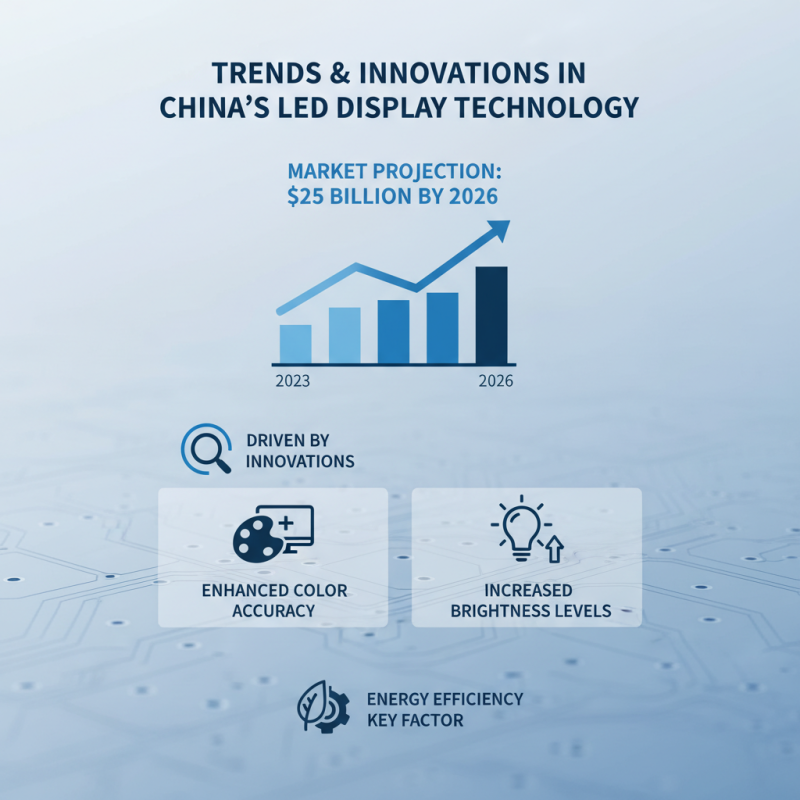
The LED display screen market in China has experienced remarkable growth in recent years. As technology advances, the demand for high-quality displays has surged. Businesses and consumers alike seek efficient and vibrant screens for advertising and entertainment. This has led to innovative designs and competitive pricing strategies in the market.
However, the industry faces challenges. Quality control remains a significant issue. Consumers often encounter discrepancies in performance and durability. Additionally, environmental regulations are becoming stricter. Manufacturers need to adapt their production processes, which can be costly and complex. Staying updated with these regulations is crucial for success.
Emerging trends show a shift towards energy-efficient displays. More companies are investing in sustainable technologies. This reflects a growing awareness of environmental impact. As global buyers navigate this evolving market, they must consider both performance and sustainability. Balancing these elements will be key to making informed purchasing decisions in the coming years.
Top 10 China LED Display Screens for Global Buyers
| Model |
Resolution |
Pixel Pitch (mm) |
Brightness (nits) |
Size (inches) |
Price Range (USD) |
| Model A |
1920 x 1080 |
2.5 |
800 |
55 |
$800 - $1,200 |
| Model B |
1280 x 720 |
3.9 |
1000 |
65 |
$700 - $1,000 |
| Model C |
3840 x 2160 |
1.9 |
1200 |
75 |
$1,200 - $1,800 |
| Model D |
2560 x 1440 |
2.6 |
900 |
85 |
$1,000 - $1,500 |
| Model E |
1920 x 1080 |
4.0 |
750 |
60 |
$600 - $900 |
Key Features to Consider When Selecting LED Display Screens
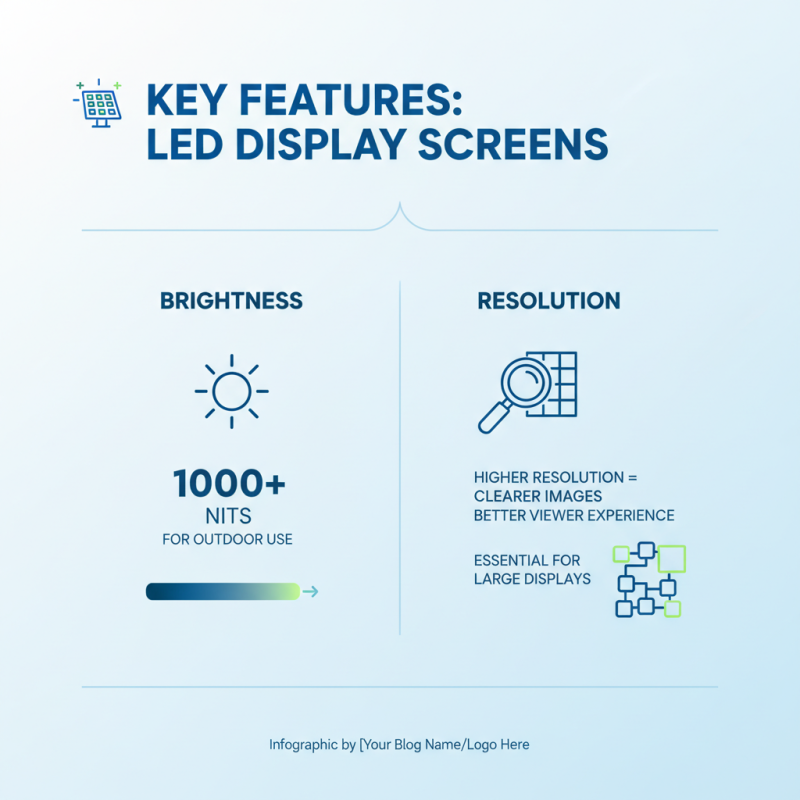
When selecting LED display screens, several key features are essential to consider. Brightness is a primary factor; it determines how well the display performs in various lighting conditions. Look for screens offering a minimum brightness of 1000 nits for outdoor use. The resolution is equally crucial. Higher resolutions ensure clearer images and better viewer experiences, especially in larger displays.
Another important aspect is the refresh rate. A higher refresh rate minimizes motion blur during fast-action scenes, making it ideal for sports events or live performances. Connectivity options should also be prioritized. Screens with versatile input capabilities can accommodate various devices, optimizing functionality.
Durability and weather resistance matter too, especially for outdoor installations. IP ratings provide insights into how well a screen can withstand dust and moisture. While these features enhance the overall performance, it is essential to balance these aspects with budget considerations. Sometimes, certain features may be overvalued, leading to overspending. Evaluating which attributes genuinely align with your needs is vital for a successful purchase.
Top 10 Chinese Manufacturers of LED Display Screens
The demand for LED display screens continues to skyrocket in various sectors. According to a recent report from Allied Market Research, the global LED display market is projected to reach $100 billion by 2027. China's role in this booming industry cannot be overlooked. Several manufacturers in the country are driving innovation and production.
Among the top Chinese manufacturers, many focus on high-resolution displays and energy-efficient technologies. Industry reports indicate that companies are increasingly investing in R&D, prioritizing advancements in image quality and sustainability. For instance, nearly 75% of producers emphasize eco-friendly practices in their manufacturing processes. This shift not only meets global standards but also appeals to environmentally conscious consumers.
However, the competitive landscape can be daunting. With so many options, buyers must exercise due diligence. Selecting a manufacturer without proper research can lead to subpar products. Issues like quality control and after-sales service are critical. A 2022 survey revealed that 42% of buyers encountered challenges related to product lifespan and support. Global buyers need to navigate these complexities effectively to ensure they invest in reliable LED display solutions.
Top 10 China LED Display Screens for Global Buyers
This chart displays the estimated annual sales volume of LED display screens from the top 10 Chinese manufacturers. The data reflects the diverse applications and high demand for LED display technology globally.
Comparative Analysis of Pricing and Quality
When considering LED display screens, it's essential to analyze quality and pricing effectively. Research indicates that the global LED display market reached $5 billion in 2023, driven by rising demand across various sectors. Buyers should focus on pixel density and brightness levels. A higher pixel density results in sharper images, which can justify a higher price point. Contrarily, lower-quality screens might be cost-effective but often compromise on performance.
Tip: Assess the longevity and warranty of the displays before making a decision. High-caliber models often come with extended warranties, indicating manufacturer confidence. Depending on usage—such as indoor or outdoor settings—prices can vary significantly. Indoor displays tend to be less expensive, averaging around $1,300 per square meter, compared to outdoor displays, which can go up to $3,000.
While affordability is key, value should not be sacrificed for cost alone. Poorly made screens can lead to additional costs in maintenance and replacements. An investment in quality may yield better long-term results. Make sure the specifications match your needs, as overspending on unnecessary features can lead to regret. Every buyer must weigh the cost against performance carefully.

 +86-750-3598205
 CONTACT NUMBER