2026 Top LED Profiles for Modern Lighting Solutions?
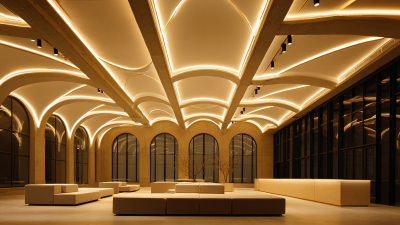
In the ever-evolving world of modern lighting solutions, LED Profiles play a vital role. Industry expert Dr. Emily Carter states, "The right LED Profiles can transform any space into a work of art." This statement highlights the importance of choosing the right profiles for effective lighting.
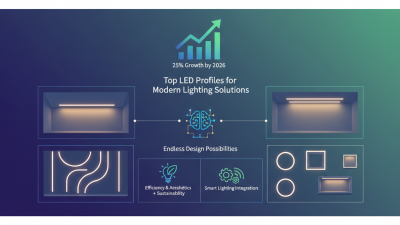
LED Profiles come in various designs and styles. They can integrate seamlessly into ceilings, walls, or furniture. With energy efficiency in mind, the demand for sleek and innovative designs continues to grow. However, not all profiles are created equal. Some may not meet specific design needs. It’s essential for designers to choose wisely.
As we explore the top LED Profiles of 2026, we should reflect on the balance between aesthetics and functionality. A beautiful design may not always provide the best light distribution. Therefore, understanding both the technical and artistic aspects of LED Profiles is crucial. This balance will pave the way for enhanced lighting solutions in modern environments.
2026 Trends in LED Profile Design for Modern Lighting
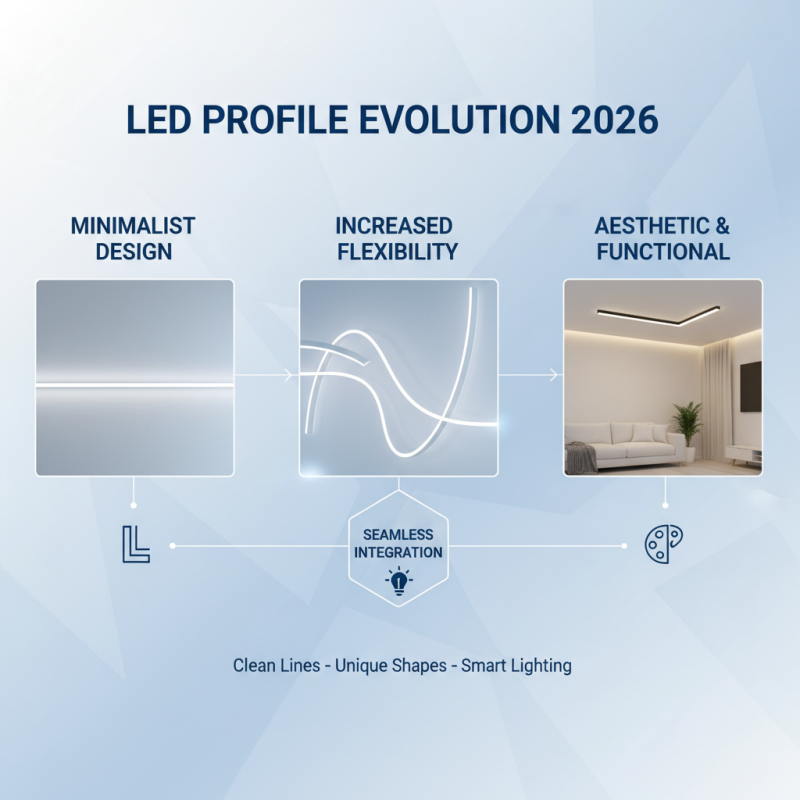
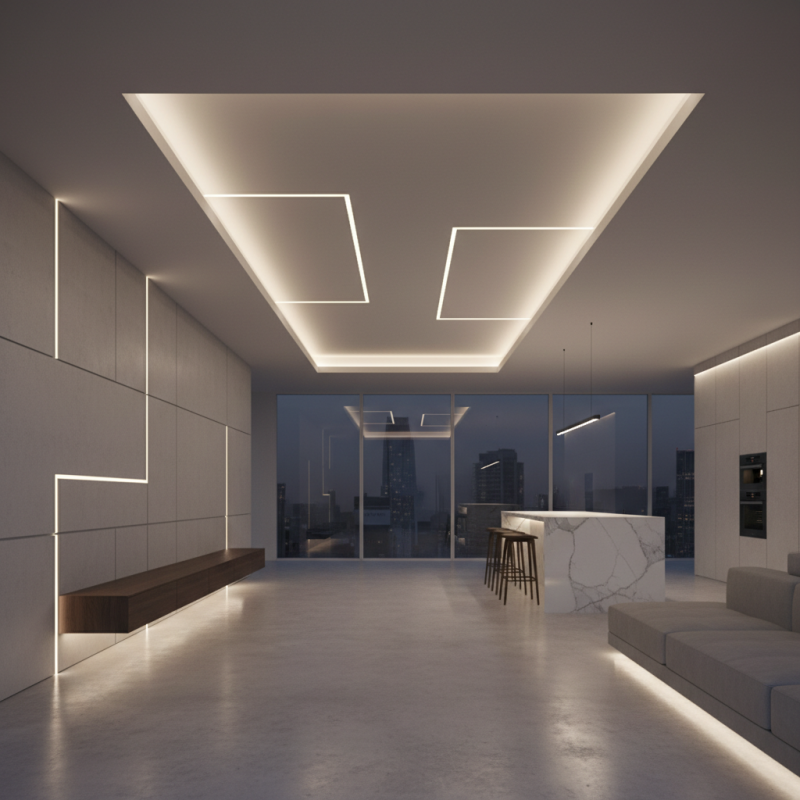
In 2026, LED profiles are evolving to meet modern design needs. Minimalist designs prevail, emphasizing clean lines and seamless integration. Designers focus on flexibility, allowing for unique shapes and configurations. The result is an aesthetic appeal combined with functional lighting.
LED profile lighting enhances spaces significantly. Open floor plans benefit from indirect lighting, creating warmth. Consider the placement of LED profiles. Corners or hidden spaces often require special attention for optimal brightness. A well-placed profile can diminish harsh shadows.
Tips: Choose adjustable profiles to cater to different moods. Opt for colors that complement your decor. Remember, flexibility in design can make a big difference. Experiment with placement. Sometimes, unconventional locations yield the best effects. Not every setup will be perfect; learning from trial and error is key.
Key Features of Innovative LED Profiles in Contemporary Spaces
Innovative LED profiles are transforming modern lighting solutions. These profiles are designed for efficiency and aesthetics. They often use materials that enhance light diffusion and reduce glare. According to a recent report by the International Energy Agency, LED lighting accounts for 60% of the global lighting market due to its energy efficiency.
Key features include versatility in design and application. Many profiles can be customized for different settings. They blend well in residential and commercial spaces. However, some profiles can be bulky and may not suit all modern interiors. Lightweight options exist but may lack durability. It's essential to choose wisely based on space needs.
Another trend is the integration of smart technology. Some LED profiles come with smart controls for better user experience. Yet, this technology can sometimes cause complications. Users may find connectivity issues frustrating. As the market grows, so do the challenges of maintaining balance between innovation and practicality. It's a dynamic field, but innovation comes with its hurdles.
Varieties of LED Profiles for Different Architectural Styles
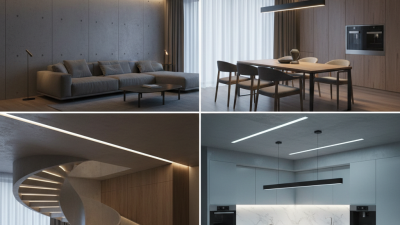
In modern architecture, lighting plays a crucial role in enhancing aesthetic appeal. Various LED profiles cater to different styles and atmospheres. For minimalist designs, slim linear LED profiles work wonders. They blend seamlessly into walls, providing subtle illumination without overwhelming the space. The sleek look helps create a calm ambiance.
For more eclectic styles, consider LED profiles with customizable colors and shapes. These profiles can transform a room’s mood instantly. They work well in contemporary homes or creative workspaces. The right lighting can accentuate unique architectural features or artwork, creating a focal point.
However, it’s essential to choose profiles that complement rather than clash with existing elements. Overly bright lights can detract from cozy living spaces. Experimenting with different layouts can help find the right balance. It's a process that may take time and adjustments, but the results can be stunning. Finding the perfect fit often requires a few missteps along the way, but that’s part of the design journey.
2026 Top LED Profiles for Modern Lighting Solutions
This chart illustrates the popularity of different LED profiles suited for modern architectural styles, based on a survey of lighting professionals. The data highlights the preference for various LED profiles in terms of usage for distinct architectural designs.
Applications of LED Profiles in Residential and Commercial Settings
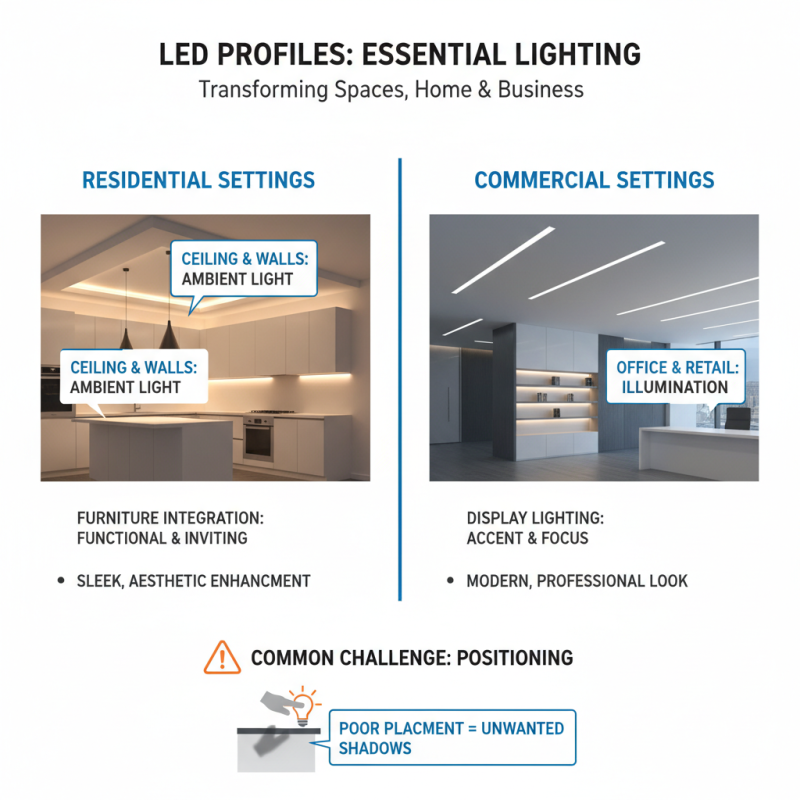
LED profiles are becoming essential in both residential and commercial settings. In homes, they provide sleek lighting solutions that enhance aesthetics. These profiles can be integrated into ceilings, walls, and furniture for a seamless look. A kitchen with under-cabinet lighting becomes more functional and inviting. However, positioning can be tricky. Poor placement can lead to shadows in unwanted areas.
In commercial spaces, LED profiles are often used to create a dynamic atmosphere. Retail stores utilize these lights to highlight products effectively. An office equipped with linear LED profiles enhances productivity by offering uniform brightness. Yet, not every design works well. Some spaces may feel too harsh or sterile. Clients often need to reevaluate their initial choices to achieve the desired effect.
Moreover, the versatility of LED profiles allows for innovative designs. They can be used in various colors and styles. This adaptability is appealing for interior designers. Nevertheless, over-the-top designs may distract rather than enhance. Balancing creativity with functionality is always a challenge. Thoughtful planning is necessary for any successful project.
Sustainability and Energy Efficiency in Modern LED Lighting Solutions
Sustainability is a key focus in modern LED lighting solutions. Recent studies show that LED lighting consumes up to 75% less energy than traditional incandescent bulbs. This significant reduction directly supports energy conservation. Many municipalities are embracing this technology to reduce carbon footprints. However, the challenge lies in proper disposal and recycling of LED products, which can impact overall sustainability.
Data from industry reports indicates that improper disposal of LEDs could lead to environmental hazards due to their components. Recycling rates for LEDs remain low, with only about 20% being processed properly. There is an urgent need for improved recycling programs and consumer awareness. Ensuring that waste is managed effectively could elevate the positive impact of LED lighting.
While energy efficiency is notable, one must reflect on the whole lifecycle of LED products. The manufacturing process itself can be resource-intensive. Sourcing of raw materials must be scrutinized to ensure sustainability. Despite the advantages, we cannot ignore the negative aspects. Continuous improvement is essential for a truly sustainable lighting future.
2026 Top LED Profiles for Modern Lighting Solutions - Sustainability and Energy Efficiency
| Model |
Wattage |
Lumens |
Efficacy (lm/W) |
Color Temperature (K) |
Lifespan (hours) |
Recyclable Materials |
| LED Panel Light A |
25W |
3000 lm |
120 lm/W |
4000K |
50000 |
Yes |
| LED Tube Light B |
18W |
2400 lm |
133 lm/W |
5000K |
40000 |
Yes |
| LED Downlight C |
15W |
1200 lm |
80 lm/W |
3000K |
30000 |
No |
| LED Flood Light D |
50W |
5000 lm |
100 lm/W |
5700K |
30000 |
Yes |

 +86-750-3598205
 CONTACT NUMBER