2026 Top Led Profiles for Modern Lighting Solutions?
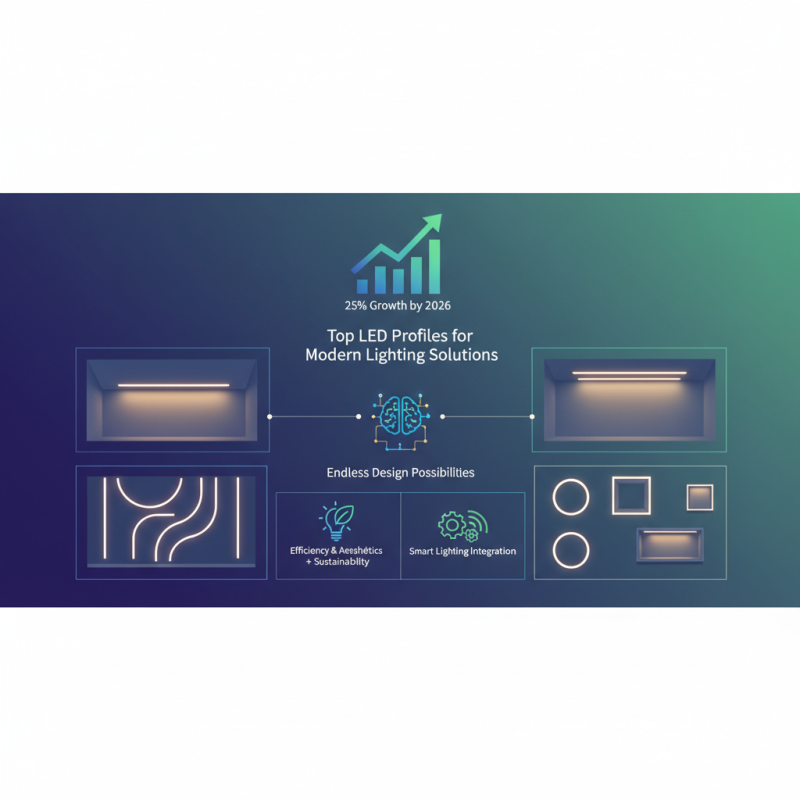
As the lighting industry evolves, modern solutions demand innovative designs. In this context, "Led Profiles" have emerged as essential components of contemporary lighting systems. According to the Global LED Lighting Market Report 2023, the demand for LED products is projected to grow significantly, showing an increase of 25% by 2026. This growth highlights the crucial role of Led Profiles in achieving efficiency and aesthetics in lighting designs.
Expert in the field, Dr. Emily Chen states, “The versatility of Led Profiles allows for endless design possibilities.” Her insights emphasize the importance of adaptability in lighting. These profiles can enhance interiors while maximizing energy efficiency. However, the proliferation of options can overwhelm designers. The challenge lies in selecting the right profiles that align with project goals and sustainability initiatives.
Despite advancements, many designs falter in execution. Striking a balance between creativity and practicality remains a task. Emerging trends, like smart lighting integration, add layers of complexity to the design process. Exploring the top Led Profiles for 2026 will help illuminate the path forward as we address these challenges and capitalize on new opportunities.
Overview of LED Profiles in Modern Lighting Solutions
LED profiles have become essential in modern lighting solutions. Their versatility transforms spaces, enhancing aesthetics and functionality. These profiles can be slim and unobtrusive or bold and striking. They can fit in various settings, from residential homes to commercial spaces.
When choosing LED profiles, consider the mounting options. Some profiles can be recessed, while others are surface-mounted. It influences the overall look. Think about the color temperature as well. Warm white creates a cozy atmosphere, while cool white adds a modern touch.
Tips: Always test a sample before a full installation. Pay attention to brightness levels, as not all LEDs are equal. Don’t forget about energy efficiency. It is crucial for reducing long-term costs. Make sure to account for dimming options too. It allows for flexibility in lighting design, accommodating different activities throughout the day. A simple miscalculation in length can lead to wasted materials and time. Reflect on your choices carefully.
Key Features of Top LED Profiles for 2026
In 2026, top LED profiles are evolving. They are more efficient and versatile than ever. Users are looking for designs that blend seamlessly with modern architecture. Thin, sleek lines create an unobtrusive look. This enhances the aesthetic of any space.
Energy efficiency is a core feature. These LED lights consume less power while providing excellent brightness. Dim-to-warm technology offers flexibility. Users can adjust the color temperature for different atmospheres. However, ensuring compatibility with existing fixtures can be a hassle.
Another key aspect is the durability of LED profiles. Quality materials increase longevity, reducing maintenance costs over time. Some profiles also offer easy installation features. But installation can still be tricky if instructions are not clear. Users should anticipate potential adjustments. These details matter when choosing the right lighting solution.
Applications of LED Profiles in Contemporary Interior Designs
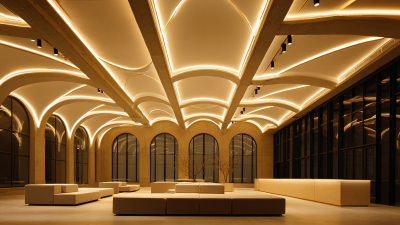
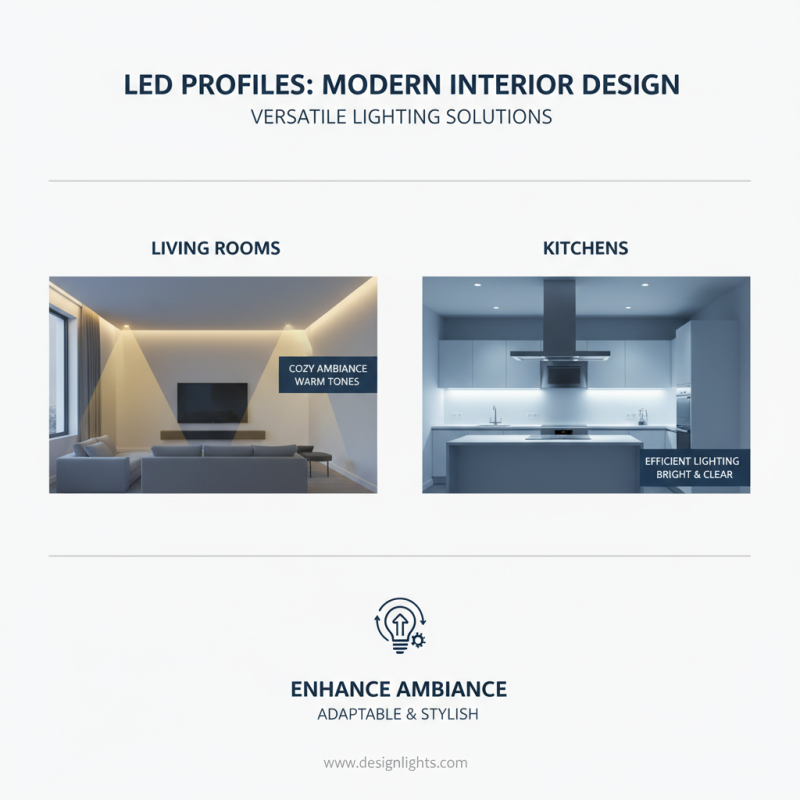
LED profiles have revolutionized modern interior design. They provide versatile lighting solutions that enhance the ambiance of various spaces. In living rooms, these profiles create warm tones for cozy gatherings. In kitchens, they offer bright, efficient lighting for cooking and meal prep.
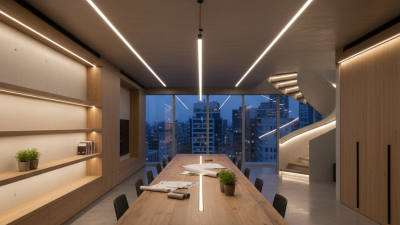
Tips for using LED profiles: Choose a warm white light for relaxation. It works well in bedrooms and lounges. For workspaces, a cooler light maintains focus and productivity. Install profiles in coves or along ceilings for indirect lighting effects. This softens harsh shadows and adds depth to your space.
However, it’s essential to consider placement. Poorly positioned profiles can cast unwanted glare. Excessive brightness might be overwhelming. Experiment with different configurations to find what suits your needs best. Balancing light intensity and direction plays a crucial role in achieving a harmonious environment.
Comparison of Popular LED Profiles: Pros and Cons
When selecting LED profiles, it’s essential to weigh their pros and cons. One popular type is the surface-mounted profile. These fixtures are easy to install. They integrate seamlessly into various spaces. However, they can disrupt design flow if not placed strategically. Their bulk can also clash with minimalist aesthetics.
Another option is recessed LED profiles. They offer a sleek look. Since they sit flush with the ceiling or wall, they save space. Yet, installation can be challenging. Poorly done recessing can lead to uneven lighting. Additionally, once installed, adjustments can be difficult.
Corner LED profiles are gaining popularity too. They utilize otherwise wasted spaces. This can create unique lighting effects but may feel overwhelming in small rooms. They also require precise measurements to install correctly. Finding the right balance is crucial. Choosing the wrong profile can compromise overall design integrity.
2026 Top LED Profiles for Modern Lighting Solutions
Future Trends in LED Profile Technology and Design
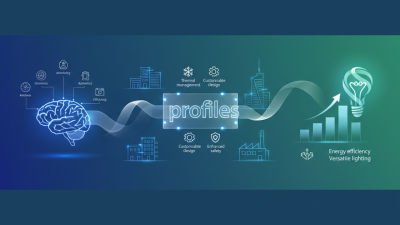
In the realm of modern lighting solutions, LED profiles lead the way. Designers are reshaping spaces with innovative designs. These profiles are becoming more versatile, adapting to different environments.
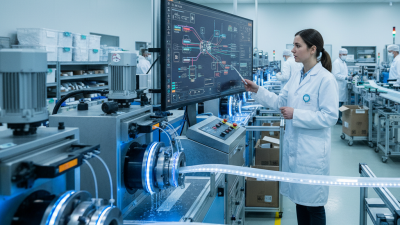
Flexible LED strips now provide a customizable approach. Users can create their desired ambiance with ease.
Trends indicate a growing focus on sustainability. Eco-friendly materials are becoming popular in profile design. This shift reflects a deeper commitment to the environment. However, there is still room for improvement. Some designs face criticism for their energy efficiency. Achieving a balance between aesthetics and functionality remains a challenge.
Ambient lighting continues to be a crucial aspect. Smart technology integration is on the rise. Profiles can now change colors based on user preference. Yet, the complexity of smart systems can deter some users. Simplicity in design can sometimes lose out to high-tech features. This ongoing evolution presents an opportunity for reflection and growth.
 +86-750-3598205
 CONTACT NUMBER