Top 10 Tips for Choosing the Best Led Profiles for Your Projects?
In recent years, the demand for LED profiles has surged significantly. According to a report by MarketsandMarkets, the global LED market is projected to reach $138.9 billion by 2026, growing at a CAGR of 13.4%. This emphasizes the importance of selecting the right LED profiles for various applications.
Choosing the best LED profiles is not just about aesthetics. The right choice impacts energy efficiency and the lifespan of lighting solutions. Professionals in the lighting industry note that high-quality LED profiles can enhance heat dissipation and reduce maintenance costs. Yet, many projects fail due to inadequate research and planning.
Decision makers often struggle with the abundance of options available. This can lead to regrets later. Understanding the specifics of LED profiles can mitigate common pitfalls in selection. Factors like materials, diffusion options, and compatibility play critical roles. Proper selection will ultimately elevate project success and ensure optimal performance in the long run.
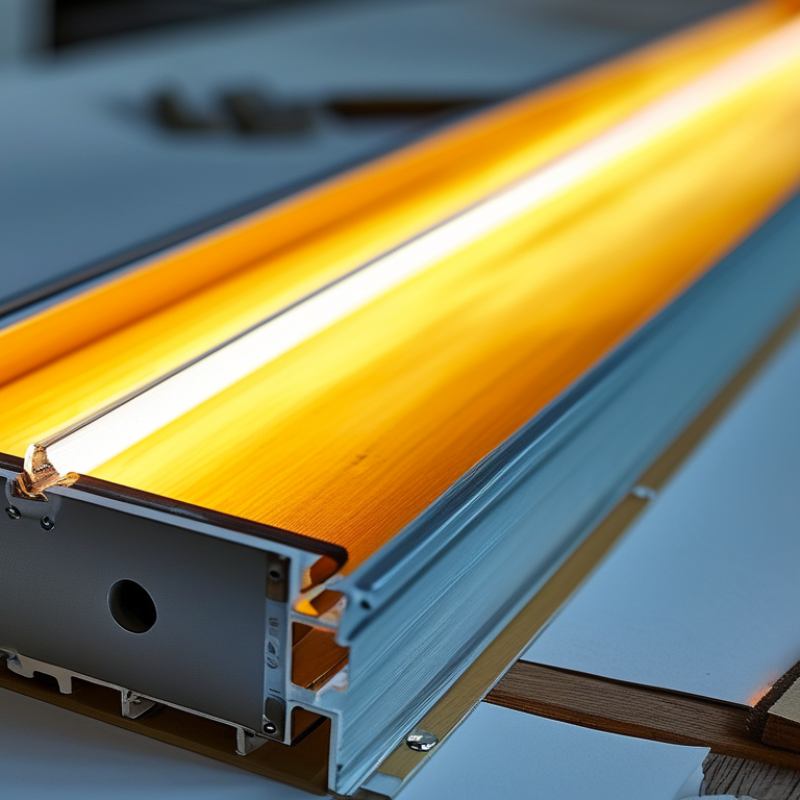
Factors to Consider When Selecting LED Profiles for Projects
When selecting LED profiles for your projects, consider the design and functionality. The format can significantly impact how lighting is perceived. Choose profiles that fit your aesthetic needs while ensuring they provide effective illumination. The color temperature is also crucial. Warmer tones create a cozy atmosphere, while cooler ones are ideal for workspaces.
Think about the material of the LED profile as well. Aluminum profiles are popular for their durability and heat dissipation properties. Proper heat management ensures longevity, which is often overlooked. The profile's size and shape can influence installation ease. Ensure the selected ones can accommodate your project's unique demands.
Check for compatibility with other fixtures. Some profiles work seamlessly with dimmers or smart home systems. It is essential to evaluate their flexibility in terms of use and placement. Sometimes, a profile may not fit perfectly. Reflecting on these choices can lead to better outcomes. Remember to weigh the pros and cons as you navigate through the options available.
Understanding Different Types of LED Profiles Available
When selecting LED profiles, understanding the different types available is crucial. LED profiles come in various shapes and sizes, each serving specific purposes. For example, surface-mounted profiles are ideal for highlighting areas without extensive installation. Recessed profiles provide a sleek look, blending into walls or ceilings. Choose a profile that complements your project’s layout.
Look for durability when selecting LED profiles. Materials like aluminum are often preferred for their heat dissipation properties. Consider the finish as well, whether you want a matte or glossy surface. This impacts the light diffusion and overall aesthetics. Always check if the profile supports the type of LED strip you plan to use.
Installation ease is another factor to keep in mind. Some profiles require complex setups, while others are user-friendly. Testing a few options before making a decision can save time and frustration. Ultimately, the right choice will enhance your project's functionality and appearance, adding value to the overall design.
Top 10 Tips for Choosing the Best LED Profiles for Your Projects
This bar chart illustrates the different types of LED profiles available along with their recommended usage based on brightness, installation complexity, and scalability. The data represents common LED profile types such as Surface Mounted, Recessed, Corner, and Flexible.
Evaluating the Quality and Durability of LED Profiles
When selecting LED profiles for your projects, evaluating their quality and durability is essential. Research shows that high-quality LED profiles can reduce energy consumption by 50% compared to traditional lighting. Look for profiles made from durable materials like aluminum, which boasts better heat dissipation. Well-built profiles prolong the life of LEDs, preventing premature failure and ensuring consistent performance.
Consider the IP rating when assessing durability. A higher IP rating indicates better protection against dust and moisture. Profiles rated IP65 or higher can endure harsh environments, making them suitable for outdoor projects or areas with high humidity. You can consult industry reports that suggest that using low-quality profiles can lead to flickering lights and increased maintenance costs.
Another important aspect is the LED chip quality. Cheaper options may use subpar chips, resulting in uneven light distribution. This can affect the aesthetics of your project. Choose profiles with a reputable chip manufacturer as this often correlates with better longevity. Custom lengths and designs can provide enhanced flexibility but ensure they meet the necessary safety standards to avoid potential hazards. Prioritize profiles that offer a warranty, indicating manufacturers’ confidence in their durability.
Assessing the Aesthetic Appeal of LED Profiles for Design Needs
Choosing the right LED profiles for your design projects can be a daunting task. The aesthetic appeal is crucial. A well-chosen profile enhances the overall look of a space. Be mindful of the colors and shapes. Profiles come in various designs, each influencing the ambiance differently. Consider how the lighting interacts with walls and furniture. The right finish can add elegance, while the wrong one may detract from your vision.
Pay attention to scale and proportions. Larger profiles can make a bold statement, yet might overwhelm smaller spaces. On the other hand, thin profiles offer a subtle touch. However, they might not provide enough light for larger areas. A careful balance is necessary. Visualize the end result by using design software to simulate lighting effects. This approach helps in refining your choices.
Reflect on the atmosphere you want to create. Soft, diffused lighting can evoke warmth. Harsh, direct lighting might feel sterile. Test different profiles to see how they impact the mood. Don't be afraid to ask for feedback. Personal taste plays a significant role, and outside opinions may highlight aspects you missed. The combination of function and form should meet your project's unique needs while ensuring that the design remains engaging.
Top 10 Tips for Choosing the Best Led Profiles for Your Projects
| Aspect |
Description |
Considerations |
| Material |
Choose profiles made from durable materials like aluminum or polycarbonate for longevity. |
Durability, Weight, Cost |
| Shape |
Consider different profiles such as U-shape, L-shape, or round to suit your design. |
Design Compatibility, Customization |
| Size |
Select sizes that fit your intended installation space and lighting requirements. |
Space Limitations, Application |
| Finish |
Choose finishes such as matte or glossy based on the desired aesthetic. |
Visual Impact, Reflection |
| Light Diffusion |
Evaluate how well the profile diffuses light to avoid hotspots. |
Brightness, Evenness |
| Installation Type |
Consider if the profile is surface-mounted, recessed, or pendant style. |
Application, Aesthetic |
| LED Compatibility |
Ensure the profile is compatible with various LED strip types. |
Flexibility, Performance |
| Heat Management |
Look for profiles that support good heat dissipation to prolong LED life. |
LED Longevity, Safety |
| Budget |
Establish a budget for profiles, keeping in mind quality versus cost. |
Cost-Effectiveness, Quality |
| Warranty |
Check the warranty period offered to ensure reliability. |
Consumer Protection, Value |
Budgeting and Cost Analysis for LED Profile Options
When selecting LED profiles for your projects, budgeting can significantly influence your choices. Start with a clear budget that aligns with your project's scope. Identify essential features needed for your project. Cost will often vary based on the material and design complexity. For instance, aluminum profiles may cost more than plastic ones, but they offer better durability and heat dissipation.
Research costs across different suppliers. Beware of hidden fees, such as shipping or installation costs. It's wise to request quotes from multiple suppliers. Further, consider the long-term savings of your choices. A higher initial investment in quality LED profiles may reduce maintenance costs down the line.
Evaluate how many profiles are needed. Overspending on unused inventory is wasteful. Conversely, underestimating needs may lead to project delays. Always factor in potential price fluctuations to avoid budget overruns. Ultimately, the right balance can ensure both quality and cost efficiency in your LED profile selections.

 +86-750-3598205
 CONTACT NUMBER