How to Use a Seg Wall Display for Effective Retail Marketing?
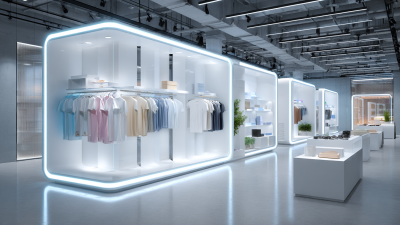
In today's competitive retail landscape, effective marketing strategies are crucial. The Seg Wall Display has emerged as a powerful tool for catching customer attention. Expert retail strategist, Laura Mitchell, once stated, "A Seg Wall Display can transform a mundane space into a vibrant shopping experience." This highlights its potential in enhancing visibility and engagement.
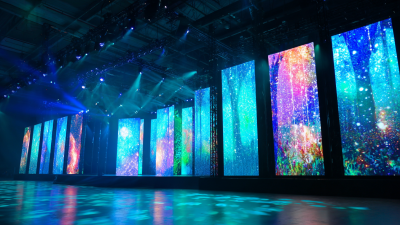
The key lies in its design and placement. Using colorful graphics and innovative arrangements can create a storytelling effect. Customers are naturally drawn to well-organized displays that convey a brand's message. However, many retailers overlook the importance of regular updates to these displays. Stale visuals can lead to a decline in customer interest.
Moreover, understanding target demographics is essential. Different audiences respond to various styles of displays. Therefore, constant experimentation and reflection on what works best is necessary. The Seg Wall Display, when utilized effectively, can elevate a retail space. However, without thoughtful execution, it may also fade into the background.
Understanding the Basics of Seg Wall Displays in Retail Marketing
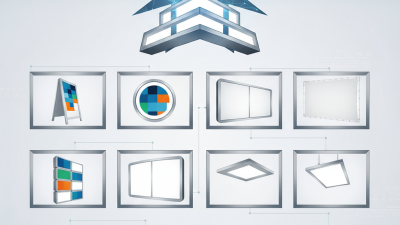
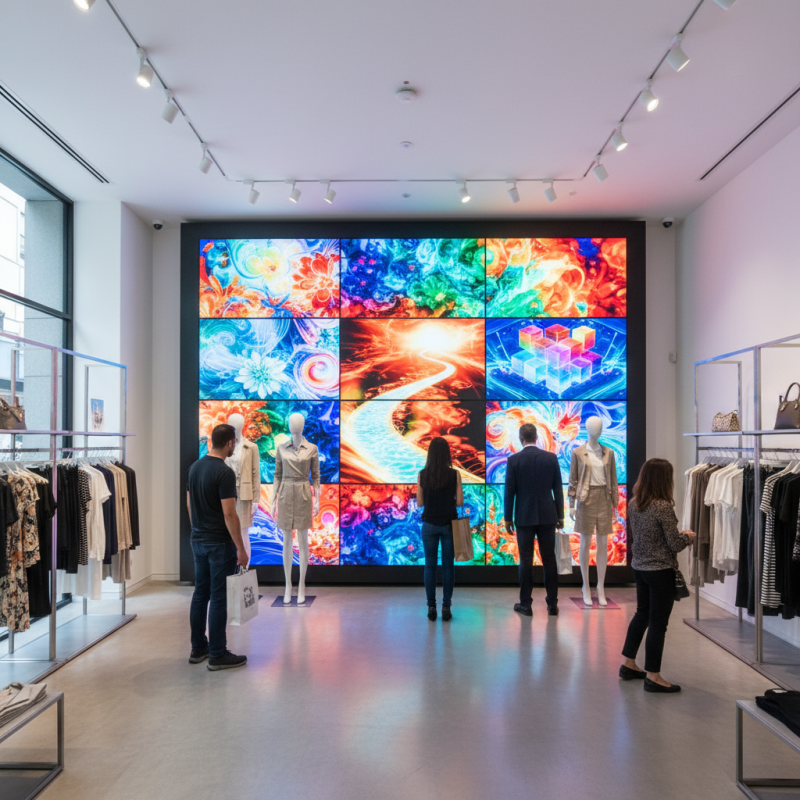
SEG wall displays are becoming popular in retail marketing. These systems use silicone edge graphics, which create vibrant and eye-catching visuals. This technology allows for easy updates and flexibility. Retailers can change visuals frequently, responding to seasons or trends.
When setting up a SEG wall display, consider placement carefully. A well-placed display can draw customers in. It can guide them through a store or highlight special offers. However, overloading a display can be distracting. Too much information may overwhelm shoppers. Striking a balance between simplicity and detail is crucial.
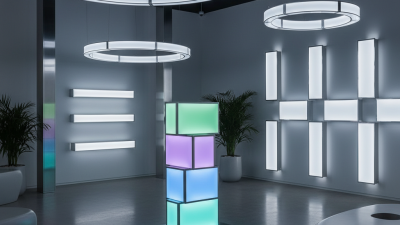
Lighting affects the impact of the display. Good lighting enhances colors and clarity. Poor lighting can render even the best visuals ineffective. Pay attention to maintenance; graphics should be clean and intact. A torn or dirty display can harm brand perception. Regular checks and updates are necessary for success.
Key Benefits of Using Seg Wall Displays for Product Visibility
Seg wall displays have emerged as a powerful tool for enhancing product visibility in retail spaces. Studies show that about 70% of purchasing decisions are made at the point of sale. This statistic highlights the critical role effective displays play in capturing customer attention. With the right design, a segmented wall can organize products in a visually appealing manner. This increases accessibility and encourages customers to interact with displayed items.
Good product visibility is key to maximizing sales. A recent report indicated that stores that utilized seg wall displays saw a 40% increase in foot traffic. Shoppers are drawn to organized environments. They spend more time engaging with products that are easy to see and reach. However, creating an engaging display requires thought. Without proper planning, even the best displays can go unnoticed. Retailers should regularly assess their displays to identify areas of improvement.
Colors and alignment also impact visibility. Research shows that bright colors attract attention. Yet, over-saturation can overwhelm customers. Striking a balance is essential. Moreover, data indicates that 30% of shoppers will avoid cluttered spaces. Retailers need to refine their strategies. Simple adjustments can lead to significant improvements in customer experience. Careful monitoring helps ensure displays meet expectations and enhance visibility.
Effectiveness of SEG Wall Displays in Retail Marketing
SEG wall displays significantly enhance product visibility and customer engagement in retail settings. The chart above demonstrates the impact of SEG wall displays on various aspects of retail marketing, with notable improvements in brand awareness and space optimization.
Steps to Create an Effective Seg Wall Display Layout
Creating an effective SEG wall display starts with a clear layout. Begin by identifying your target audience. Understanding their preferences shapes your design choices. Choose eye-catching graphics that resonate with their interests. Large images can draw attention quickly. Consider using vibrant colors to enhance visual appeal.
Tips: Ensure your content is easy to read. Use bold fonts for key messages. This helps shoppers capture information at a glance. Keep text concise, avoiding excessive details. Too much clutter can confuse potential buyers.
Next, organize the display elements logically. Group related products together. This makes it easier for customers to find what they need. Create a natural flow that guides the eye. Consider the height of your display; keep important items at eye level.
Even with careful planning, be ready to adjust your layout. Monitor customer interactions and feedback. If visitors overlook certain areas, rethink their placements. Sometimes, what looks good on paper doesn’t resonate in person. Small tweaks can lead to significant improvements.
How to Use a Seg Wall Display for Effective Retail Marketing?
| Step |
Description |
Visual Merchandising Tips |
Examples |
| 1 |
Identify the target audience and product categories |
Use colors and designs that resonate with the audience |
Fashion items for young adults |
| 2 |
Plan the layout and product arrangement |
Create a visual flow that guides customers |
Group similar items together |
| 3 |
Incorporate props or signage |
Use eye-catching signage to highlight promotions |
Seasonal display themes |
| 4 |
Ensure optimal lighting |
Highlight products with directed lighting |
Spotlights on featured items |
| 5 |
Test and evaluate |
Observe customer interactions to improve |
Adjust layouts based on sales data |
Best Practices for Merchandising on Seg Wall Displays
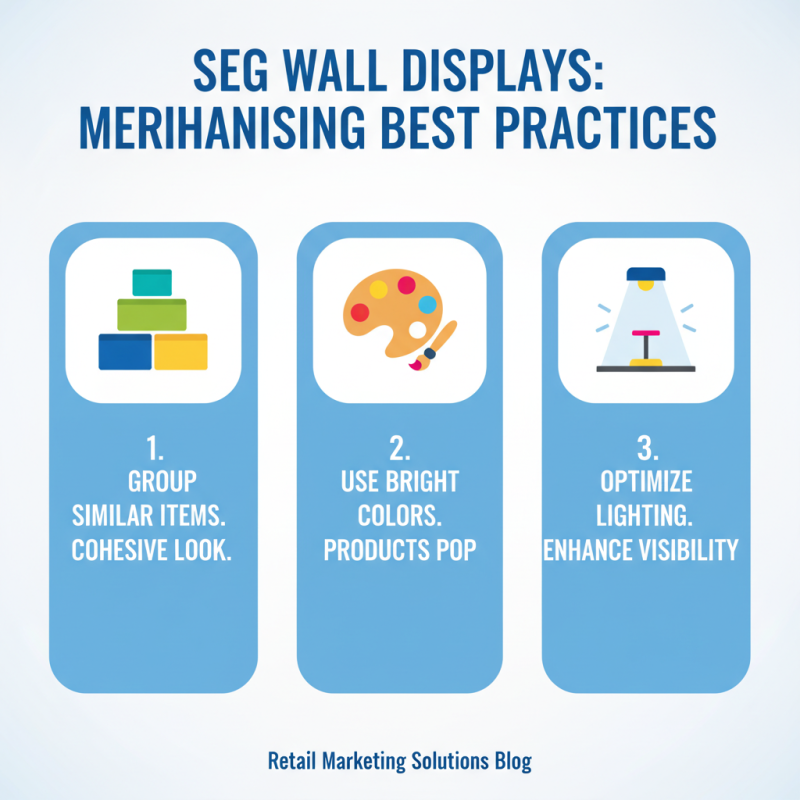
Seg wall displays can be powerful tools for retail marketing. To optimize these displays, consider your product placement carefully. Group similar items together. This creates a cohesive look that attracts customers' attention. Use bright colors to make products pop. Think about lighting, too; it can enhance the visibility of key items.
In addition to aesthetics, consider signage. Clear labels help customers find what they're looking for. However, excessive information can overwhelm them. Use concise language, and limit text where possible. Reflect on your customer base. Are they drawn to minimalist designs, or do they prefer vibrant, engaging themes? Testing different approaches can lead to better results.
Creating a dynamic display is essential. Regularly change item arrangements to keep the display fresh. Monitor customer interactions and feedback. Are there items that remain untouched? This might indicate a need for change. Balance between showcasing new arrivals and featuring timeless staples. Together, these methods can enhance your merchandising strategy.
Measuring the Impact of Seg Wall Displays on Sales Performance
Seg Wall Displays can significantly impact sales performance when used effectively. These modular displays serve as versatile tools in retail settings. They allow for dynamic product placement, highlighting promotions and seasonal offerings. Customers are drawn to visual displays, enhancing their shopping experience.
However, measuring the effectiveness of these displays is essential. Retailers need to track sales data before and after installation. An increase in foot traffic may not always translate to higher sales. Sometimes, products showcased may not resonate with the target audience. It’s important to remain adaptable.
Testing different layouts and products can yield insights. For instance, rotating featured items can maintain customer interest. Gather feedback from staff and customers alike. This information is vital for future strategies. The goal is to ensure the displays are not only visually appealing but also drive purchases effectively.

 +86-750-3598205
 CONTACT NUMBER