Best LED Extrusion Solutions for Your Lighting Projects?
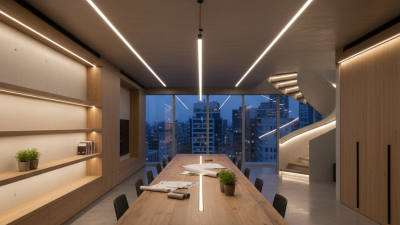
LED extrusion has revolutionized the way we design and implement lighting solutions. According to lighting expert John Smith, "LED extrusion not only enhances aesthetics but also improves functionality." This technology allows for sleek integration of LED strips into various architectural elements.
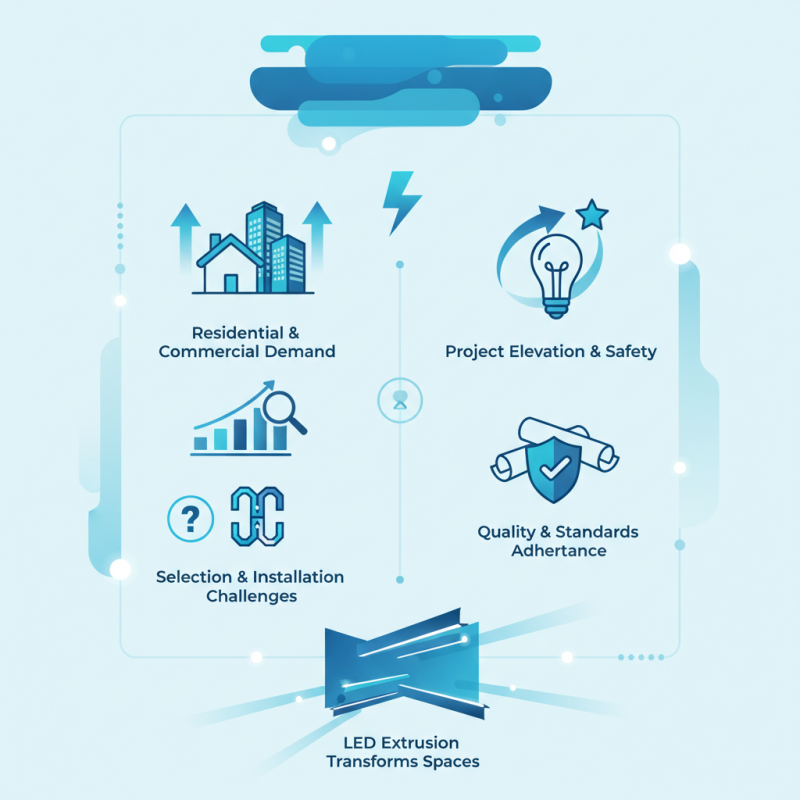
The demand for LED extrusion is increasing in both residential and commercial settings. Designers often seek innovative ways to incorporate lighting seamlessly. However, many still struggle with selection and installation. They may find it daunting to choose the right profiles. This misunderstanding often hampers project efficiency.
Quality LED extrusion solutions can elevate any lighting project. Choosing the wrong materials can lead to disappointing results. It is vital to understand the specific needs of each project. Doing so can ensure that the final outcome not only meets design goals but also adheres to safety standards. Ultimately, using LED extrusion correctly can transform spaces in remarkable ways.
Advantages of Using LED Extrusions in Modern Lighting Applications
LED extrusions are revolutionizing modern lighting applications. They provide an effective way to enhance both aesthetics and functionality. According to a report by the Department of Energy, LED lighting can reduce energy consumption by up to 80% compared to traditional lighting. This significant reduction highlights the environmental benefits of using LED extrusions in diverse settings.
One of the key advantages of LED extrusions is their versatility. They can be seamlessly integrated into various architectural designs. Customizable lengths and styles allow for creative applications, from residential to commercial projects. For instance, indirect lighting created by LED tapes in extrusions can enhance mood and ambiance. In a survey conducted by the International Association of Lighting Designers, 70% of professionals reported increased client satisfaction when using LED extrusions.
However, there are challenges. Designers must ensure proper heat dissipation to prolong the lifespan of LED systems. Overheating can lead to reduced efficiency and color shifting over time. It’s also crucial to choose compatible materials for housing to maintain durability and visual appeal. Balancing innovation with practical solutions remains a focus for lighting professionals.
Key Materials and Manufacturing Processes for LED Extrusions
When considering LED extrusion solutions for lighting projects, the materials used play a crucial role. Commonly, high-quality aluminum is preferred for its thermal conductivity. This ensures effective heat dissipation, which is vital for LED longevity. According to industry reports, aluminum extrusions can enhance heat management by up to 30%, significantly prolonging LED lifespan.
Manufacturing processes also greatly affect performance. A precise extrusion process is critical for maintaining consistency and quality. Additionally, surface treatments like anodizing improve durability and aesthetic appeal. Research indicates that anodized surfaces can withstand corrosion better than untreated aluminum by about 50%. However, finding the right balance between cost and quality remains a challenge.
Some projects may opt for cheaper materials, which can lead to thermal inefficiencies. These inefficiencies may increase the risk of LED failures over time. The nuances of selecting the right material and process cannot be overlooked. It's essential to assess not just immediate costs but long-term implications for performance and reliability. Ultimately, careful consideration of materials and processes ensures optimal results in LED extrusion solutions.
Understanding Different Types of LED Extrusions and Their Uses
LED extrusions come in various types, each serving unique purposes. Understanding these differences is essential for effective lighting design. For instance, surface-mounted extrusions are ideal for creating sleek, modern looks. They are easy to install and can be attached directly to walls or ceilings. This style hides unsightly wiring and provides a clean finish.
Recessed extrusions offer another option. These are installed into walls or ceilings, creating a seamless design. They work well in spaces where aesthetics are crucial. However, installation can be challenging and may require professional help. This option may lead to extra expenses, so evaluating your budget beforehand is vital.
Then there are flexible extrusions. These allow for creative lighting designs that bend and curve. They are perfect for intricate shapes or artistic installations. However, their flexibility can sometimes make them less durable. Users should consider if the design choices justify the potential need for replacements or repairs. Overall, knowing the types and their applications can lead to more satisfying results in any lighting project.
Importance of Thermal Management in LED Extrusion Design
Thermal management is crucial in LED extrusion design. Poor heat dissipation can lead to performance issues. LED lights generate heat during operation. If trapped, this heat can reduce lifespan and efficiency. Effective cooling strategies ensure the LED operates within optimal temperature ranges.
Incorporating materials with high thermal conductivity enhances heat dissipation. Aluminum is often a preferred choice for many. However, not all extrusions are created equally. Designs must consider airflow and surface area. Inadequate designs may lead to unwanted hot spots. Thorough testing helps identify these flaws early.
Proper thermal management not only extends the life of LEDs but also maintains brightness. A well-designed extrusion can improve energy efficiency significantly. Yet, many overlook the importance of thermal paths in their projects. Be vigilant in assessing your design. Quality analysis during the design phase is essential. Aim for precision and adaptability in your lighting solutions.
Best LED Extrusion Solutions for Your Lighting Projects
This chart illustrates the thermal conductivity of various materials commonly used in LED extrusion design. Proper thermal management is essential for optimizing the performance and lifespan of LED lighting projects.
Market Trends: Growth of LED Technology in Architectural Lighting Solutions
The architectural lighting sector is witnessing remarkable growth fueled by LED technology. Designers and architects are increasingly opting for LED solutions that offer versatility and efficiency. These lights consume less energy while providing superior brightness. Their ability to seamlessly integrate into various design styles makes them a popular choice.
In addition to practicality, LED technology allows for creative expression. The options for custom shapes and sizes enhance aesthetics in spaces. However, project execution can be challenging. Selecting the right materials and ensuring proper installation is crucial. A poorly executed installation can lead to uneven lighting or increased maintenance costs.
While the market for LED technology is expanding, understanding its limitations is essential. Not all LED solutions suit every environment. Some may not achieve the desired effect in specific architectural contexts. Designers must carefully evaluate the project needs before committing to a solution. Balancing innovation and practicality remains a key concern in this evolving market.
Best LED Extrusion Solutions for Your Lighting Projects
| LED Extrusion Type |
Application Area |
Material |
Length (mm) |
Growth Rate (%) |
| Surface Mount |
Ceiling Lighting |
Aluminum |
2000 |
20 |
| Recessed |
Wall Wash |
PVC |
1500 |
25 |
| Corner |
Accents |
Aluminum |
1000 |
15 |
| Under Cabinet |
Task Lighting |
Anodized Aluminum |
1200 |
30 |
| Pendant |
Hanging Lights |
Glass |
1800 |
10 |

 +86-750-3598205
 CONTACT NUMBER