Leave Your Message

What Is the Best Modular Booth in 2026?

Choosing the best Modular Booth in 2026 requires more than attractive renderings. Exhibition teams now compare portability, structural quality, setup time, graphics, storage, and long-term value. A polished display may look impressive online, yet fail under crowded-floor pressure. Real evaluation begins with practical questions. Can two staff members assemble it without specialized tools? Does the frame remain stable after repeated packing? Are fabric panels easy to replace when branding changes? These details reveal more than a product photograph. They also separate dependable suppliers from sellers making broad claims without useful evidence. Shortlist? Not enough.

This guide examines modular systems through an evidence-based, experience-led lens. It considers documented materials, connector design, warranty clarity, fire-safety documentation where required, transport dimensions, and support after purchase. A good booth should fit a real workflow: labeled cases near the loading area, cables hidden behind graphics, shelves holding samples, and lighting that avoids harsh glare. Cost matters, but the cheapest option can become expensive after damaged prints, missing parts, or rushed labor. No single design wins every event. A compact frame may suit a startup, while a larger reusable system may serve a global exhibition program better. Some conclusions remain provisional because venues, regulations, and brand goals differ. That limitation matters. The best Modular Booth is not merely the most stylish choice. It is the system that performs reliably, travels efficiently, supports credible brand communication, and improves with each event.
What Is the Best Modular Booth in 2026?

Definition and Core Features of Modular Booths

What Is the Best Modular Booth in 2026?

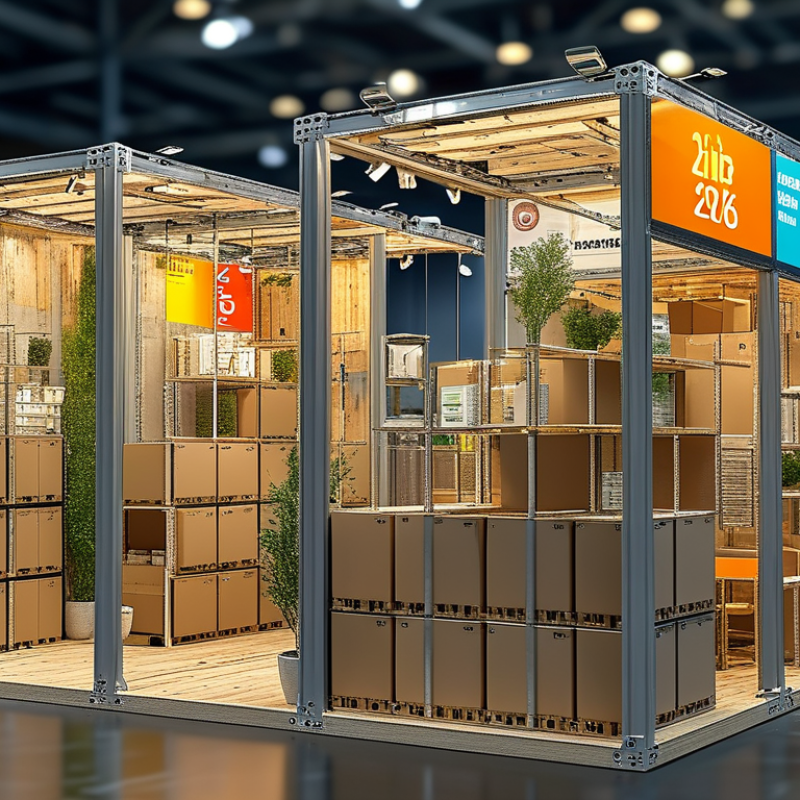
A modular booth is an exhibition structure built from repeatable parts. These parts may include frames, fabric walls, counters, lighting, shelves, and graphic panels. Unlike a fixed booth, it can be assembled, adjusted, and reused for different events.

In practice, this flexibility reduces storage pressure and supports consistent presentation. The best modular booth is not simply the largest or most expensive option. It fits the venue, visitor flow, brand message, and available setup time.

Core features include tool-free connections, lightweight frames, stable flooring, replaceable graphics, and practical cable management. A reliable structure should withstand repeated assembly without loose joints or damaged panels.

Clear sightlines matter too. Visitors should see the main message from several steps away. Good lighting should reduce shadows without causing glare on printed surfaces.

Accessibility also deserves attention, especially around counters and display routes. I have found that beautiful layouts can fail when staff cannot reach storage quickly. That detail is easy to overlook.

Tips:

Measure the packed booth before ordering transport. Request material samples under event lighting. Check frame load ratings and venue requirements. Leave space for bags, literature, and spare hardware. A small repair kit can prevent a long delay. Do not overfill the display. One thoughtful product story often works better than ten crowded panels. The “perfect” layout may still need adjustment after watching real visitors move through it.

Key Criteria for Evaluating Modular Booths in 2026

What Is the Best Modular Booth in 2026?

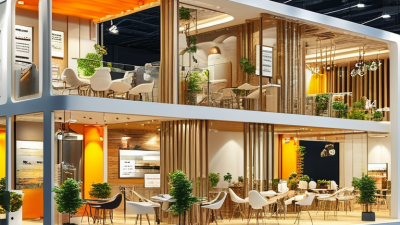
The best modular booth is not the largest one. It is the system that performs reliably under real exhibition pressure. UFI’s Global Exhibition Barometer reports that most industry respondents expect exhibition activity to remain stable or grow, increasing demand for adaptable displays. In 2026, evaluate reusable frames, tool-free assembly, transport weight, and replacement access. A booth should fit a 3-by-3-meter space without blocking visitor flow. Check the packed dimensions, not only the assembled appearance. That detail is often missed.

Visitor experience matters equally. Freeman’s recent event research shows that attendees value meaningful face-to-face interaction and experiences that feel relevant. Therefore, assess sightlines, lighting, acoustic control, and storage before selecting a design. A bright graphic wall may attract attention, but a narrow counter can create a queue. Digital screens also need practical testing. Glare, weak Wi-Fi, and complicated controls can reduce engagement. I have seen attractive concepts become awkward spaces. Design quality is not operational quality.

Tips: Request a full assembly trial before ordering. Measure doorways, lifts, and storage areas. Ask for documented material durability and fire-safety testing. Calculate the five-year cost, including shipping, repairs, graphics, and labor. CEIR research consistently links better exhibit performance with clear objectives and measurable follow-up, so include lead capture and visitor privacy controls in the evaluation. The cheapest option may become expensive after repeated modifications.

Comparison of Leading Modular Booth Types

What Is the Best Modular Booth in 2026?
Comparison of Leading Modular Booth Types

Choosing the best modular booth starts with the event objective, not appearance alone. In practical setup tests, installation time, storage volume, and stability often matter more than dramatic graphics. A lightweight aluminum-frame booth can be assembled quickly by two people. Its fabric skin folds into a compact case and usually creates a clean, continuous backdrop. It works well for frequent exhibitors with limited storage.

Panel-based systems offer stronger physical structure and better sound control. Their rigid surfaces can support shelves, monitors, and product samples without extra reinforcement. However, they may require more cases and careful alignment. Tension-fabric systems look modern and reduce visual clutter, but damaged fabric can affect the entire wall appearance. Hybrid booths combine rigid counters, fabric walls, and modular lighting.

There is no universal winner.

A small inline space may benefit from a simple frame and back wall. A larger island booth needs weighted bases, cable planning, and clear visitor paths. I have seen attractive layouts become uncomfortable when storage doors blocked circulation. That mistake is easy to miss on a screen. Check material fire ratings, electrical components, load limits, and accessibility requirements with the venue before ordering. Requirements differ by location. Reusable parts can reduce long-term waste, but only when the system survives repeated transport. Ask for replacement-part availability, setup instructions, and a realistic packing list. Fancy features are not always useful.

Selecting the Best Modular Booth for Different Needs

Selecting the best modular booth starts with the event’s purpose, not its appearance. A 10-by-20-foot booth may suit a startup testing a new market. A larger island layout works better for product demonstrations, private meetings, and steady visitor flow. CEIR’s 2023 research shows that exhibitors use face-to-face events mainly for brand awareness, lead generation, and customer relationships. Your booth should support those outcomes visibly. Add one clear reception point, a reachable product surface, and a quiet corner for serious conversations.

Different teams need different construction choices. Frequent exhibitors should choose tool-free frames, replaceable graphics, and compact shipping cases. These features reduce setup time and storage pressure. A sales-led company may need lockable counters and two meeting tables. A technical company may need stronger lighting and screens for demonstrations. The Freeman Trends Report 2024 found that attendees increasingly value memorable, participatory experiences over passive displays. Give visitors something to handle. Keep the message short.

Do not overbuild.

UFI’s Global Exhibition Barometer reports continued international investment in exhibitions, but budgets remain uneven across markets. A modular system can control costs, yet customization still adds labor, freight, and replacement risks. I have seen attractive booths fail because visitors could not find the entrance or a staff member. That mistake is easy to repeat. Test the layout with a timer, measure traffic paths, and ask someone unfamiliar with the product what they notice first. Their answer may be uncomfortable, but useful.

What Is the Best Modular Booth in 2026?

Selecting the best modular booth depends on footprint, portability, setup simplicity, storage efficiency, and reuse flexibility. The benchmark below uses a 0–10 planning score, where 10 represents the strongest fit for each requirement.

How to read the chart: A 3 × 3 m booth is generally the easiest to transport and install, making it suitable for compact spaces and first-time exhibitors. A 3 × 6 m booth offers a practical balance between presentation area and logistics. A 6 × 6 m island booth provides the greatest flexibility for demonstrations, meetings, and visitor flow, but requires more transport space, installation time, and budget.

Setup, Customization, Cost, and Long-Term Value

What Is the Best Modular Booth in 2026?

Choosing the best modular booth in 2026 depends less on appearance than repeatable performance. In my exhibition work, a 3-by-3-meter frame usually needs two trained people and under an hour. Numbering connectors reduces setup mistakes. A wheeled case matters. I once underestimated venue lighting, and the graphics looked dull under cool LEDs. A small test at the venue can prevent expensive reprints.

Customization should begin with visitor behavior, not decoration. Replaceable fabric panels, adjustable shelves, and cable channels support changing campaigns. Keep the main message visible from five meters away. Interactive screens may attract attention, but they also add transport weight and technical risk. Ask whether the team can update content without specialist help. Some “flexible” systems are flexible only after buying extra parts. That detail deserves careful questioning.

Cost includes purchase price, shipping, storage, labor, graphics, and repairs. A low initial quote can become costly after three events. I prefer a simple spreadsheet that compares five-year use, not one show. For example, a durable frame used at eight events may justify a higher upfront cost. However, resale value, warranty terms, and replacement-part availability remain uncertain. Request written load limits and assembly instructions before payment. Real value appears when the booth remains presentable after repeated packing, rushed setups, and minor damage.

What Is the Best Modular Booth in 2026? - Setup, Customization, Cost, and Long-Term Value

Comparison of common modular exhibition booth formats using typical planning ranges for a 20 × 20 ft (6.1 × 6.1 m) exhibit. Actual costs vary by country, venue, labor rates, graphics, shipping, storage, and show requirements.

Booth Format Typical Purchase Cost Typical Rental Cost Professional Setup Time Customization Level Typical Reuse Cycle Approx. Packed Weight Long-Term Value Score Best Use Case
Portable Modular Kit US$3,000–$8,000 US$1,500–$4,000 2–4 hours Basic to moderate; replaceable panels, shelves, counters, and lighting 3–5 years with regular transport and storage 150–350 lb (68–159 kg) 3.7 / 5 Small teams, frequent travel, and exhibitors needing fast installation
Tension Fabric Modular Booth US$8,000–$20,000 US$4,000–$10,000 4–8 hours Moderate to high; strong visual coverage with limited rigid architectural elements 4–8 years; graphics may need replacement sooner than the frame 250–700 lb (113–318 kg) 4.1 / 5 Graphics-led campaigns, product launches, and booths requiring efficient shipping
Aluminum Frame System US$10,000–$25,000 US$5,000–$13,000 6–12 hours High; supports modular walls, SEG graphics, shelves, monitors, and lighting 7–12 years with component replacement 400–1,000 lb (181–454 kg) 4.4 / 5 Organizations seeking durable architecture and repeatable layouts across venues
Reconfigurable Custom Modular Booth US$25,000–$70,000+ US$12,000–$35,000 1–2 days Very high; supports multiple footprints, meeting rooms, storage, lighting, and branded structures 8–15 years when maintained and reconfigured 900–2,500 lb (408–1,134 kg) 4.5 / 5 Frequent exhibitors with large spaces, private meetings, demonstrations, or multiple booth sizes
Rental-First Modular System Not normally purchased US$7,000–$20,000 8–16 hours High within the available inventory; layout and graphics can usually be adapted per event Best for occasional use; avoids long-term ownership Managed by the rental provider 4.0 / 5 Companies testing new markets or exhibiting only once or twice per year

Cost ranges are typical 2026 planning benchmarks in U.S. dollars and generally exclude venue labor, electrical service, internet, drayage, storage, travel, taxes, and shipping. For most exhibitors attending several events per year, a hybrid modular booth offers the strongest balance of setup speed, customization, portability, and long-term value.