Leave Your Message

China Best Acrylic Seg Light Box Manufacturer

Choosing a China Best Acrylic Seg Light Box Manufacturer requires more than comparing factory prices. The right supplier should understand acrylic thickness, LED spacing, fabric tension, and long-term color stability. An Acrylic Seg Light Box must look bright without creating hot spots or visible shadows. Its surface should feel clean, smooth, and carefully finished.

Display engineer Dr. Elena Marquez offers a useful reminder: “A light box is successful when the message appears effortless, but the engineering is never accidental.” This principle matters in retail stores, exhibitions, airports, and branded reception areas. A reliable manufacturer should explain its acrylic grade, edge polishing process, aluminum frame design, and LED testing method. Ask for production samples. Inspect the corners. Check the fabric fit by hand.

Small details matter.

Experienced suppliers usually provide drawings before production. They confirm dimensions, mounting methods, power requirements, and installation conditions. They should also discuss heat management and maintenance access. A bright panel can still fail if its LEDs age unevenly or its graphic becomes difficult to replace. That weakness is easy to miss during a short showroom demonstration.

The best manufacturer is not always the cheapest. A lower quotation may hide thinner materials, weaker connectors, or limited quality inspection. Still, no supplier is perfect. Even a strong factory may need clearer communication or better packaging. Buyers should record these concerns instead of ignoring them. By comparing samples, inspection reports, production experience, and after-sales responses, businesses can select an Acrylic Seg Light Box partner with greater confidence and fewer costly surprises.

China Best Acrylic Seg Light Box Manufacturer

Acrylic SEG Light Boxes: Definition and Core Features

An acrylic SEG light box combines a rigid acrylic display surface, an internal LED system, and a silicone-edge graphic.

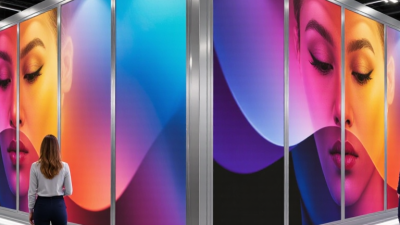
The silicone strip fits into a narrow frame channel. This creates a clean, nearly frameless appearance. Acrylic helps protect the illuminated graphic and maintains a smooth front surface. When manufactured accurately, the box provides even brightness for retail spaces, exhibitions, offices, and reception areas.

Core features include edge-to-edge illumination, replaceable fabric graphics, and a strong aluminum structure behind the acrylic panel. Quality LEDs should provide stable color, low heat, and consistent light across the entire face. Uneven spacing can create bright corners or dark patches. This problem is easy to overlook during design.

In my experience, a bright box can still look poor when the graphic tension is incorrect. Acrylic may also reflect nearby windows, so placement requires careful review. A reliable manufacturer should verify frame dimensions, LED distribution, acrylic thickness, and electrical safety before delivery.

Tips: Check the viewing distance first. Choose matte graphics when glare is likely. Ask for a lighting test sample. Leave service access for future LED replacement. Do not assume every wall can support the finished weight. Small measurement errors can affect the final appearance.

How Acrylic SEG Light Boxes Are Designed and Manufactured in China

China Best Acrylic Seg Light Box Manufacturer

How Acrylic SEG Light Boxes Are Designed and Manufactured in China

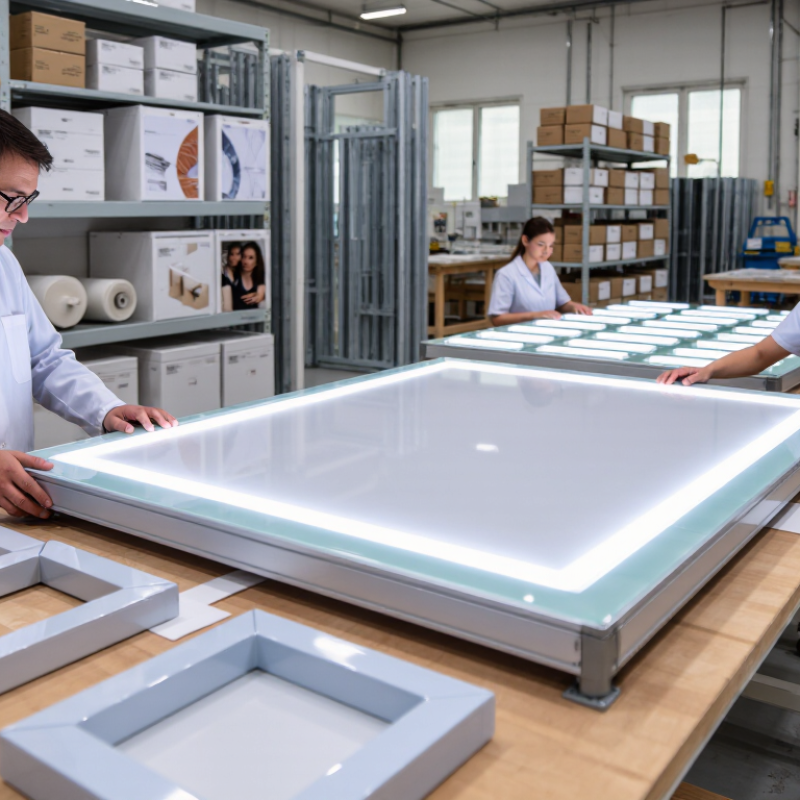
Acrylic SEG light boxes begin with a practical review of size, viewing distance, and installation conditions. Designers select cast acrylic sheets for clarity, surface quality, and controlled light diffusion. Aluminum frames are then engineered around the fabric tension system. The result must look slim, but remain rigid during transport and assembly. Details matter.

According to MarketsandMarkets’ Digital Signage Market report, the sector is projected to grow from about USD 27.1 billion in 2024 to USD 45.9 billion by 2029. This growth increases demand for lightweight, replaceable graphics and efficient illumination. Chinese manufacturers commonly use CNC cutting, laser engraving, edge polishing, and precision drilling. LED modules are positioned through photometric testing, not guesswork. Technicians check brightness, color consistency, heat, and power consumption before final assembly.

Fabric graphics are printed with calibrated profiles and finished with silicone edges. Workers insert the edges into the frame channel by hand. They inspect corners carefully, because uneven tension creates visible waves. Acrylic panels receive protective film before packing. Drop tests and repeated assembly checks help reveal weak points. Still, production is not perfect. A minor tolerance error can affect alignment. That deserves honest review.

Reliable factories record material batches, electrical test results, and inspection photographs. They also provide drawings before production begins. This reduces costly changes later. Good manufacturing is not only about appearance. It depends on repeatability, traceable quality control, and clear communication between designers and assembly teams.

Key Materials, Lighting Systems, and Structural Components

China Best Acrylic Seg Light Box Manufacturer

A reliable acrylic SEG light box begins with carefully selected materials. Cast acrylic panels offer clear light transmission and stable color. Their smooth surfaces also support clean printing and easy maintenance. For large displays, the panel thickness must match the frame size. Too thin, and it may flex. Too thick, and the unit becomes unnecessarily heavy.

The lighting system needs more than bright LED modules. Even spacing helps prevent dark corners and visible hotspots. A qualified manufacturer should test brightness, color consistency, heat control, and power consumption. Aluminum LED boards can improve thermal performance. Diffusers soften harsh light across the fabric surface. Ventilation paths are useful, especially in enclosed retail installations. Small details matter.

Structural components determine how the light box performs after installation. A rigid aluminum frame keeps the SEG fabric tight and reduces edge waves. Reinforced corners support repeated assembly and transport. Silicone edges should fit the profile securely without excessive force. Measure twice. Assembly still needs inspection. In practice, minor alignment errors can appear under strong lighting. I have found that a simple test with the printed fabric installed reveals problems earlier than an empty-frame inspection. Some projects also need concealed cable channels, adjustable feet, or wall brackets. These choices should follow the display size, location, and expected service access. A dependable production process includes dimensional checks, electrical testing, and a documented aging test before shipment.

Quality Standards for Selecting a China-Based Manufacturer

China Best Acrylic Seg Light Box Manufacturer: Quality Standards for Selecting a China-Based Manufacturer

Selecting a China-based manufacturer requires more than checking acrylic samples. Ask for traceable test reports, production records, and recent project evidence. The International Energy Agency’s 2024 Energy Efficiency Market Report estimates that lighting uses about 15% of global electricity. Efficient LEDs matter, but unstable brightness can still damage operating value. Request LM-79 photometric testing, including luminance, color temperature, color rendering, and uniformity. Ask whether measurements represent the finished light box, not only the LED module.

Safety documentation should match the product’s real construction. IEC 60598-1 covers general luminaire safety requirements, while IEC 62471 evaluates photobiological risks. For outdoor or humid installations, confirm the tested IP rating and sealing method. A supplier claiming ISO 9001 certification may still lack effective process control. Check calibration dates, incoming-material inspections, wiring tests, and final inspection records. Paper is not proof.

A reliable factory should explain acrylic thickness, edge polishing, light-guide consistency, diffuser selection, and SEG fabric tension. Request a pilot unit before approving mass production. Measure bright spots from one meter away, inspect corners, and test the frame after repeated fabric changes. The U.S. Department of Energy’s SSL research reports stress color quality, lifetime, and system performance, not efficiency alone. That principle is useful here. Some suppliers may provide attractive samples but weak batch control. I would treat that as a warning, even when the price looks excellent.

China Best Acrylic Seg Light Box Manufacturer - Quality Standards for Selecting a China-Based Manufacturer

Evaluation Dimension Recommended Quality Standard Relevant Technical Benchmark Verification Method Why It Matters Assessment
Acrylic Sheet Quality Use optically clear cast or high-quality extruded acrylic with a uniform surface, consistent thickness, and no visible cracks, bubbles, or excessive scratches. Acrylic sheets are commonly supplied in nominal thicknesses such as 3 mm, 5 mm, and 8 mm, depending on box size and structural needs. Review the material specification, inspect samples under strong light, and measure thickness at multiple points with a calibrated gauge. Consistent acrylic improves appearance, rigidity, light transmission, and long-term visual quality. Required
Light Transmission The front panel should diffuse LED light evenly without obvious bright spots, dark areas, streaks, or visible LED outlines. For illuminated signage, a uniform appearance is generally more important than maximum raw transmission; the selected diffuser must match LED spacing and depth. Operate a full-size sample in a darkened area and inspect it from several viewing angles and distances. Uneven illumination can reduce readability and make the finished sign look poorly engineered. Required
LED System Efficiency Use low-voltage LED modules or strips with stable color output, suitable thermal management, and documented electrical ratings. Common LED systems for light boxes use 12 V or 24 V DC input, while the power supply must be rated for the calculated load with reserve capacity. Check the LED datasheet, input voltage, wattage, color temperature, and test the system continuously before shipment. A properly matched LED system reduces heat, energy consumption, flicker risk, and premature failure. Required
Color Consistency All illuminated panels in the same order should have consistent brightness and color appearance. Specify a target color temperature, such as 3000 K, 4000 K, or 6500 K, and define an acceptable tolerance with the manufacturer. Compare samples side by side using the same power supply and record color-temperature or color-consistency results when available. Consistent color is essential for professional displays and repeat orders. Required
Frame Construction The frame should be square, rigid, smoothly finished, and free from sharp edges, loose joints, or visible deformation. Aluminum is widely used for lightweight sign frames because it offers a favorable balance of strength, corrosion resistance, and weight. Measure diagonals to confirm squareness, inspect joints, check corner alignment, and apply light manual pressure to identify movement. A rigid frame protects the acrylic panel and maintains a professional appearance during installation. Required
Electrical Safety All wiring should be insulated, secured, correctly polarized, and protected from accidental contact. The power supply must be suitable for the destination market. Electrical components should be selected according to the applicable requirements of the installation country, including voltage, plug type, grounding, and enclosure needs. Request electrical diagrams, inspect terminals and cable routing, verify grounding where applicable, and review applicable conformity documents. Good electrical design lowers the risk of shock, short circuits, overheating, and installation delays. Required
Thermal Management The enclosure should provide adequate heat dissipation for the LED system and power supply without causing excessive surface temperature. LED lifespan is affected by operating temperature; thermal performance should be evaluated under continuous operation rather than short demonstrations. Run the assembled box continuously for at least 8 hours and inspect temperature, brightness stability, and power-supply behavior. Lower operating temperatures generally support more stable performance and longer component life. Required
Ingress Protection For indoor use, basic protection against dust and accidental contact may be sufficient. Outdoor applications require a design suitable for water and dust exposure. IP ratings are defined by IEC 60529; the required rating depends on installation location, weather exposure, and maintenance conditions. Confirm the intended environment, inspect seals and cable entries, and request a relevant test report when an IP rating is specified. Correct protection prevents moisture-related damage and helps the product meet site requirements. Project-Based
Surface Finish and Printing Printed graphics should have accurate registration, clean edges, stable color, and a surface finish appropriate for the viewing distance. Printing method, ink type, substrate, and protective film should be selected according to indoor or outdoor exposure and expected service life. Approve a color proof, review a production sample, and inspect the graphic under both illuminated and unilluminated conditions. Graphic quality directly affects brand presentation, readability, and customer perception. Required
Dimensional Accuracy Finished dimensions, mounting points, panel thickness, and cable outlet positions should match the approved drawing. Tolerance should be agreed in writing because acceptable deviation depends on the installation method and project size. Measure length, width, depth, diagonals, hole positions, and mounting interfaces against the approved technical drawing. Accurate dimensions reduce installation problems, rework, and additional site costs. Required
Quality Control Process The manufacturer should document incoming-material inspection, in-process checks, final assembly inspection, and functional testing. A documented quality system aligned with ISO 9001 principles can provide a structured framework, although certification should be independently verified. Request sample inspection records, corrective-action procedures, production photos, and a pre-shipment inspection plan. Traceable quality control makes production more consistent and improves accountability. Required
Packaging and Shipping Use protective film, corner protection, moisture-resistant wrapping, and a rigid outer carton or crate suitable for the shipping method. Packaging requirements should reflect acrylic fragility, product dimensions, stacking conditions, and the selected transport route. Review packaging specifications, inspect a packed sample, and confirm that accessories and installation instructions are secured separately. Appropriate packaging reduces scratches, cracks, deformation, and transit-related claims. Required
Warranty and After-Sales Support The quotation should clearly define warranty duration, covered components, exclusions, replacement procedures, and response times. Warranty terms vary by supplier and component; they should be documented rather than accepted as informal promises. Compare the written warranty with the quotation, purchase contract, and spare-parts policy before placing the order. Clear support terms reduce uncertainty when LED modules, power supplies, or acrylic panels require replacement. Required

Customization, Applications, and Service Evaluation Criteria

Choosing a China-based acrylic SEG light box manufacturer requires more than comparing quotations.

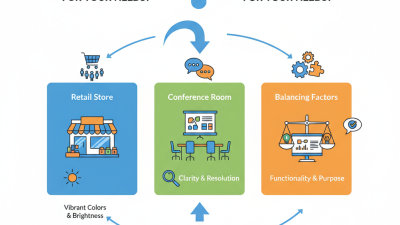
Customization should begin with the display environment. Measure wall depth, viewing distance, and available power points carefully. A retail window may need slim frames and high brightness. A museum may require softer illumination and controlled reflections.

Ask for acrylic thickness, light distribution data, frame drawings, and color samples. A reliable manufacturer should explain tolerances instead of promising perfect results. Small gaps can appear after transport. That detail matters. Request a physical prototype before approving mass production. Check edge finishing, silicone strip flexibility, cable routing, and graphic replacement time. These tests reveal practical experience better than attractive product images.

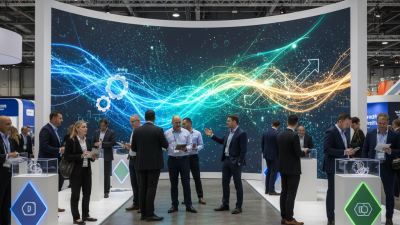
Applications vary widely. Acrylic SEG light boxes can support trade booths, shopping malls, reception areas, airports, and interior wayfinding. Service quality should include responsive communication, clear production schedules, protective packaging, and documented inspection steps. Confirm whether the supplier provides installation guidance and replacement parts. Ask how defects are handled, including damaged acrylic or uneven lighting. A factory may have strong equipment but weak project coordination. I would review sample reports, export experience, and customer feedback before deciding. One overlooked issue is after-sales support. It often becomes important months later, when a connector fails or a graphic needs changing.