Essential Tips for Choosing the Right LED Video Wall?
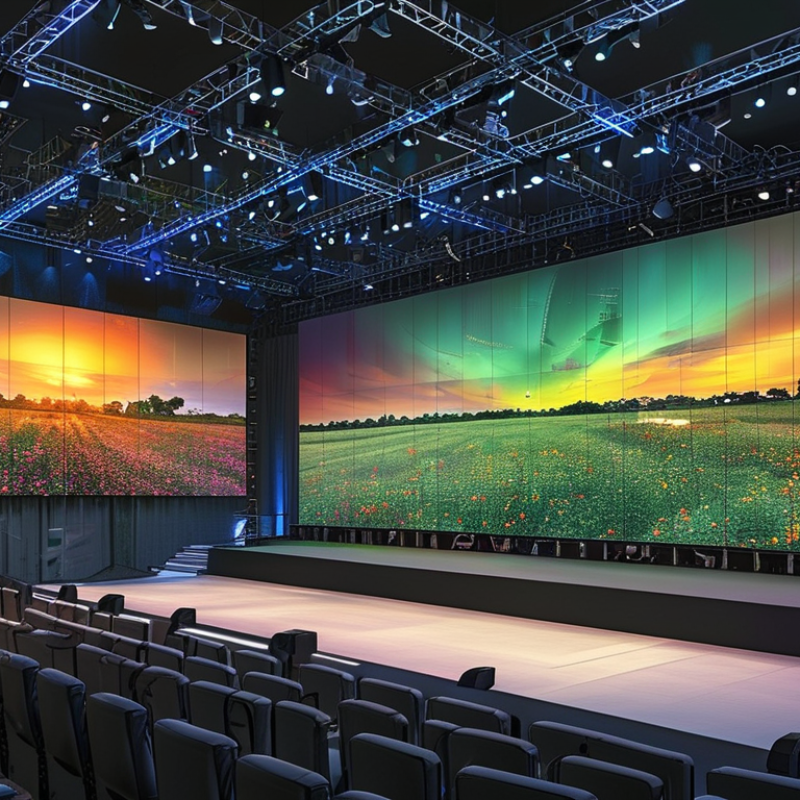
Choosing the right LED video wall is crucial for any visual display project. The technology has evolved significantly, offering various options in resolution, size, and brightness. To make a well-informed decision, you must consider several factors.
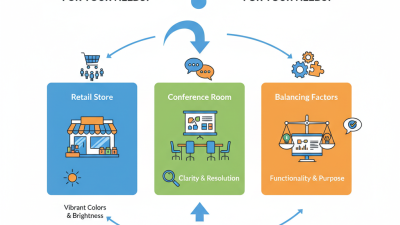
Start by evaluating the purpose of your LED video wall. Will it be used for concerts, conferences, or retail displays? Each setting demands different features. Pay attention to pixel pitch, which affects image clarity. Ideal pixel pitch varies based on viewing distance.
Additionally, consider the environment where the video wall will be installed. Indoor and outdoor settings have different requirements. Outdoor walls need higher brightness levels to combat sunlight. Reflecting on these key aspects ensures you choose an LED video wall that meets your specific needs.
Understanding LED Video Walls: Key Features and Benefits
LED video walls have transformed visual communication in various sectors. They provide vibrant displays and are increasingly popular in retail, events, and public spaces. Key features include high resolution, brightness, and modular design, allowing for flexible configurations. According to a recent industry report, the LED display market is projected to reach $30 billion by 2025, driven by advancements in technology and decreasing production costs.
The benefits of LED video walls are substantial. They are energy-efficient, with advancements leading to lower power consumption. Studies reveal that LED walls consume up to 30% less energy compared to traditional display technologies. Furthermore, their durability ensures a long lifespan, with most LED panels lasting over 100,000 hours. However, choosing the right configuration can be complex. Users often find themselves grappling with pixel pitch and viewing distance, which can affect the perceived image quality.
Understanding these critical aspects can enhance decision-making. Flexibility in deployment is another advantage; companies can create unique shapes or sizes tailored to their space. Despite their many benefits, there are practical considerations, such as budget constraints and installation challenges. Ignoring these can lead to suboptimal results and wasted resources in the long term.
Evaluating Pixel Pitch: How It Impacts Image Quality and Viewing Distance
Evaluating pixel pitch is crucial when selecting an LED video wall. Pixel pitch refers to the distance between the center of one LED pixel to the next. A smaller pixel pitch often results in higher resolution and better image quality. This is especially important in environments where viewers are closer to the screen. In contrast, larger pixel pitches can lead to noticeable pixelation, detracting from the viewing experience.
A good reference point is that a 2mm pixel pitch is optimal for close viewing, while a pitch of 10mm may suffice for large venues. Consider your audience's proximity to the screen. This understanding will guide you toward the right choice. Assessing both the pixel pitch and viewing distance can dramatically impact how the content is received.
When making decisions about LED video walls, keep these factors in mind. Evaluate the space and audience layout to determine the pixel pitch that best suits your needs. Don’t overlook testing different configurations. Practicing with various setups can reveal potential shortcomings. Reflecting on the viewing experience might inspire new ideas for future projects. These considerations allow for a more tailored approach, ensuring a visually appealing result.
Pixel Pitch vs. Viewing Distance and Image Quality
Choosing the Right Brightness Levels for Different Environments
When selecting an LED video wall, brightness levels are crucial. Different environments require varying levels of brightness. A bright, outdoor setting needs a higher brightness level, while indoor spaces often require less. If you underestimate the brightness, the content may look dull. Too high brightness indoors can cause glare. Understanding the environment helps select the optimal level.
Consider the purpose of the video wall. For advertising in a well-lit area, go for 5000 nits or more. In contrast, if it’s for a dimly lit event, around 2000 nits may suffice. Evaluate how light affects the viewer's experience. Brightness impacts visibility and engagement.
When in doubt about brightness, gather insights from experts or conduct tests. It’s essential to see how content displays under different lighting conditions. Trial and error might be necessary before finalizing your choice. Remember, achieving the right balance between brightness and clarity can enhance overall satisfaction. Adjustments can always be made after setup, but starting with informed decisions leads to better outcomes.
Exploring Different LED Technologies: SMD vs. COB and Their Applications
When selecting an LED video wall, understanding the nuances of different technologies is crucial. SMD (Surface-Mounted Device) and COB (Chip-on-Board) are two prominent options. SMD offers excellent color reproduction and flexibility, making it ideal for complex displays. It is known for its high pixel density, often reaching 1.5mm or lower, which enhances image clarity. Research indicates that SMD technology accounts for over 70% of the LED market due to its versatility in various environments.
On the other hand, COB technology excels in durability and heat dissipation. Its compact design enables higher integration density, and it is less susceptible to damage from environmental factors. According to industry studies, COB displays can last up to 100,000 hours, significantly reducing maintenance costs. Despite these advantages, COB displays can come with higher initial costs. Many projects may require careful budgeting to accommodate these expenses.
As you explore these technologies, remember that the right choice depends on specific application needs. For events requiring vibrant visuals, SMD may be preferable. Conversely, for long-term installations in challenging environments, COB’s resilience can be more beneficial. Being aware of these details will greatly assist in making an informed decision tailored to your project’s requirements.
Essential Tips for Choosing the Right LED Video Wall
| Technology Type |
Pixel Configuration |
Brightness (nits) |
Best Use Case |
Cost Range (per sq ft) |
| SMD |
RGB in one package |
800 - 2000 |
Indoor Displays |
$20 - $50 |
| COB |
Chip on Board |
1000 - 3000 |
Outdoor Displays |
$30 - $70 |
| SMD |
RGB with smaller pixel pitch |
1500 - 3000 |
Broadcast Studios |
$40 - $80 |
| COB |
High-density packing |
2000 - 5000 |
Concerts & Events |
$50 - $90 |
Budgeting for Your LED Video Wall: Costs and Long-term Investments
Budgeting for an LED video wall requires careful planning and consideration. The initial costs can be daunting, but it's crucial to analyze long-term investments. Consider the lifespan of the technology. High-quality LED panels may cost more upfront but can provide savings in maintenance and replacement.
When establishing a budget, prioritize your needs. Assess the size and resolution necessary for your viewing environment. A larger, high-resolution screen may enhance visibility but could significantly increase costs. Explore options to balance quality and budget. Research potential installation and operational expenses. These factors can substantially affect the overall investment.
Understanding your audience is vital. Will the video wall be for a corporate event or a permanent display? This influences your choice. A temporary setup might require different considerations than a permanent installation. Keep in mind that cheaper doesn’t always mean better. Investing wisely in the right LED video wall can enhance your visual content and deliver impressive results.

 +86-750-3598205
 CONTACT NUMBER