Why Are LED Profiles Essential for Modern Lighting Solutions
In the era of modern lighting solutions, LED profiles have emerged as a pivotal component shaping the future of illumination design. Renowned lighting expert Dr. Sarah Thompson emphasizes the importance of these profiles by stating, "LED profiles are not just functional; they are a canvas for creativity, allowing designers to enhance both aesthetics and efficiency in any space." As the demand for energy-efficient and versatile lighting grows, understanding the essential role of LED profiles becomes crucial for both consumers and industry professionals alike.
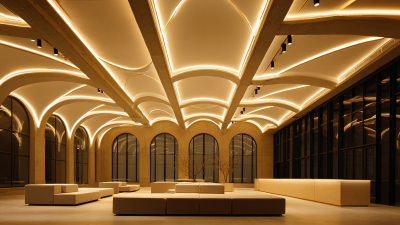
LED profiles serve as the backbone of contemporary lighting systems, providing structural support and facilitating optimal light distribution. They offer a myriad of advantages, including improved thermal management, customizable designs, and enhanced safety. By integrating LED profiles into lighting designs, architects and designers can create visually striking environments that meet the dynamic needs of modern life. Their adaptability makes LED profiles indispensable in residential, commercial, and industrial applications, further underscoring their significance in today’s lighting landscape.
As we explore the evolution and necessity of LED profiles, it becomes clear that they are more than mere accessories; they are essential tools in the advancement of effective and innovative lighting solutions. This exploration not only highlights the technical benefits of LED profiles but also celebrates their contribution to elevating the overall quality of lighting experiences.

The Evolution of Lighting Solutions in Modern Design
The evolution of lighting solutions has undergone a remarkable transformation, driven by advancements in technology and changing design philosophies. Historically, lighting was predominantly functional, with a focus on providing illumination in homes and workplaces. However, modern design emphasizes not only functionality but also aesthetics, energy efficiency, and sustainability.
According to a report by the Department of Energy, LED lighting technology has seen a dramatic increase in adoption, accounting for approximately 60% of the residential lighting market as of 2022. This shift underscores the need for versatile and aesthetically appealing lighting solutions that integrate seamlessly into contemporary architecture.
LED profiles have become essential to this evolution, serving as flexible and innovative tools that enhance the architectural landscape. The customizable nature of LED profiles allows designers to achieve intricate lighting designs that complement the overall aesthetic of a space. A study from Research and Markets projects that the global LED lighting market will reach a value of approximately $150 billion by 2025, driven by the demand for customizable lighting solutions. These profiles not only provide efficient illumination but also allow for creative plays of light and shadow, making them an integral part of modern lighting strategies that prioritize both form and function.
Understanding LED Technology and Its Benefits
LED technology has revolutionized the way we approach lighting solutions, offering numerous benefits that traditional lighting methods simply cannot match. At the core of LED technology is its energy efficiency; LEDs consume significantly less power compared to incandescent and fluorescent bulbs. This not only results in lower electricity bills but also contributes to a reduced carbon footprint, making LED lighting a more sustainable choice for both residential and commercial spaces.
Tips: When selecting LED profiles, consider the color temperature that best suits your environment. Warmer temperatures create a cozy atmosphere, while cooler temperatures are ideal for workspaces that require focus and concentration.
In addition to energy savings, LED profiles are known for their long lifespan, often lasting up to 25,000 hours or more. This longevity means less frequent replacements, reducing waste and maintenance costs over time. Furthermore, LEDs are versatile and can be easily incorporated into various designs, from recessed lighting to accent features, providing flexibility in aesthetic choices.
Tips: To maximize the benefits of LED lighting, integrate dimmers and smart controls that allow you to adjust brightness and color settings according to your needs, enhancing both functionality and ambiance in your space.
Why Are LED Profiles Essential for Modern Lighting Solutions
| Feature |
Description |
Benefits |
| Energy Efficiency |
LEDs consume significantly less power than traditional lighting. |
Lower electricity bills and reduced carbon footprint. |
| Longevity |
LED lights have a longer operational life, often lasting over 25,000 hours. |
Reduced maintenance and replacement costs. |
| Variety of Designs |
LED profiles come in different shapes, sizes, and colors. |
Enhanced aesthetic appeal and adaptability in various settings. |
| Low Heat Emission |
LEDs emit very little heat compared to traditional bulbs. |
Improved safety and comfort in enclosed spaces. |
| Dimmability |
Many LED fixtures can be easily dimmed. |
Flexibility in mood and ambiance settings. |
| Instant Lighting |
LEDs light up instantly without warm-up time. |
Immediate illumination when needed. |
The Role of LED Profiles in Energy Efficiency
LED profiles play a crucial role in enhancing energy efficiency in modern lighting solutions. Unlike traditional lighting fixtures, which often waste significant amounts of energy in the form of heat, LED profiles are designed to maximize light output while minimizing energy consumption. These profiles facilitate optimal heat dissipation, which prolongs the lifespan of the LED lights and reduces the frequency of replacements, ultimately leading to lower maintenance costs. By effectively channeling light, LED profiles ensure that energy is directed exactly where it's needed, which translates into enhanced illumination with reduced power usage.
Moreover, the integrated design of LED profiles often comes with smart control options, allowing users to further optimize energy use through features such as dimming and motion sensing. These advancements not only improve energy savings but also contribute to a more sustainable environment. Consumers and businesses alike are opting for LED profiles not only for their aesthetic benefits but also for their lower carbon footprint, aligning with global efforts towards energy conservation. As energy efficiency becomes a cornerstone of modern lighting solutions, the significance of LED profiles continues to grow, underscoring their essential role in transforming how we illuminate our spaces.
Energy Efficiency of LED Profiles vs. Traditional Lighting Solutions
Applications of LED Profiles in Various Settings
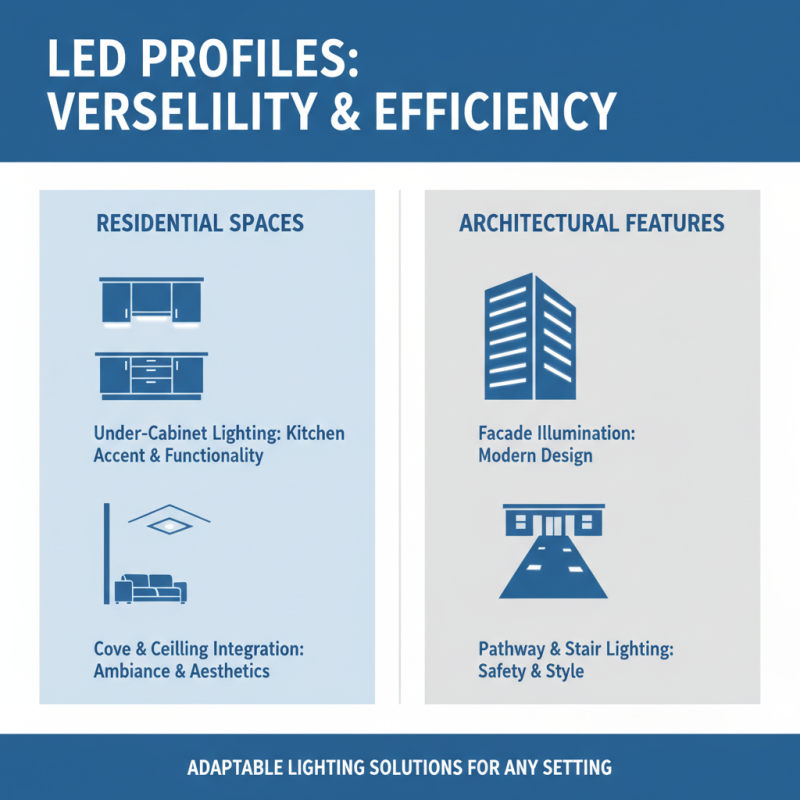
LED profiles have become a fundamental component in various settings due to their versatility and efficiency. In residential spaces, they are often utilized in under-cabinet lighting, accentuating kitchen areas while providing functional illumination. Additionally, LED profiles can be integrated into architectural features, such as coves and ceilings, to create a soothing ambiance that enhances the overall aesthetic of any room.
In commercial environments, the applications of LED profiles are equally significant. They are widely used in retail stores to highlight merchandise, guiding customers’ attention toward specific products with well-placed lighting. Office spaces benefit from LED profiles as well; they can provide task lighting that helps improve productivity while minimizing eye strain. Beyond functionality, LED profiles contribute to energy savings, making them an optimal choice for modern lighting solutions across various sectors.
Future Trends in LED Profiling for Enhanced Lighting Experiences
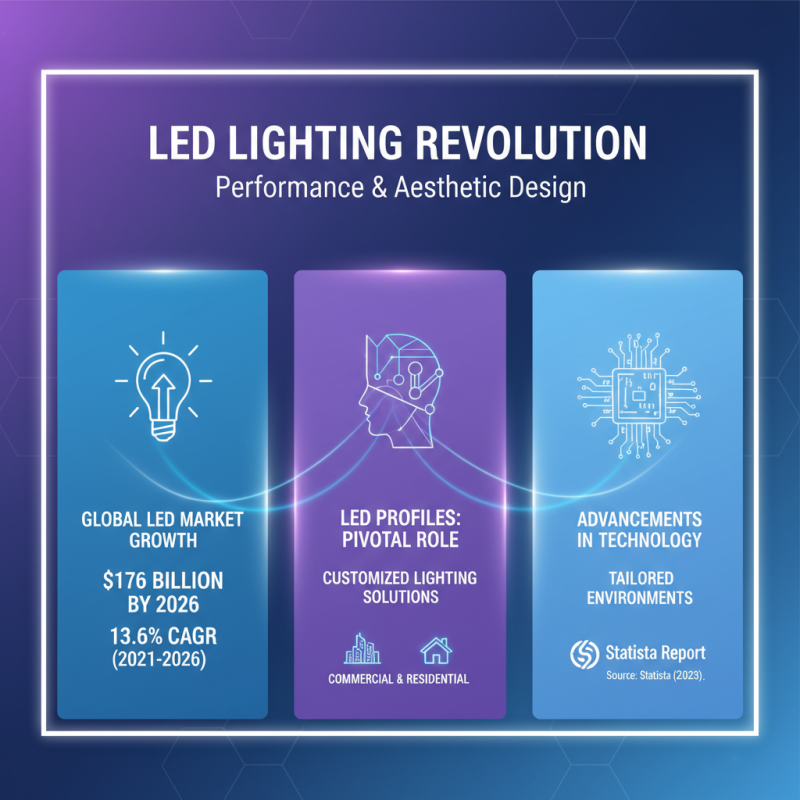
The rise of LED lighting technology has revolutionized modern illumination, with LED profiles playing a pivotal role in enhancing both performance and aesthetic design. According to a recent report by Statista, the global LED market is projected to reach $176 billion by 2026, reflecting a compound annual growth rate (CAGR) of 13.6% from 2021. This growth is fueled by advancements in LED profiling technologies that allow for customized lighting solutions tailored to various environments, from commercial spaces to residential settings.
In 2023, trends in LED profiling are expected to focus heavily on human-centric lighting, which prioritizes the well-being of occupants by mimicking natural light patterns. Research from the Lighting Research Center indicates that such lighting can improve mood, productivity, and even health. Moreover, the incorporation of smart technology into LED profiles is set to further enhance lighting experiences. Integration with IoT devices allows for dynamic control, enabling users to adjust brightness and color temperature in real-time to match their needs or preferences. As these trends continue to evolve, LED profiles will remain integral in shaping future lighting solutions, offering versatility, efficiency, and an enhanced sensory experience.

 +86-750-3598205
 CONTACT NUMBER