What is a Led Video Wall and How Does It Enhance Visual Experiences?
In today's digital landscape, the impact of visuals cannot be understated. A Led Video Wall has emerged as a powerful tool for enhancing visual experiences. Experts like David McClure, a leading professional in display technology, emphasize, "The clarity and vibrancy of a Led Video Wall can transform any space." This evolving technology allows for dynamic displays that captivate audiences.
Led Video Walls are not just a trend; they represent a shift in how information is conveyed. Imagine walking into a venue where massive screens dynamically display content that draws you in. The brightness and resolution of these walls create an immersive environment. Yet, some may ponder whether this technology overshadows the content itself. The balance between the medium and message remains a point of consideration.
As we explore the benefits of a Led Video Wall, it's essential to acknowledge potential drawbacks. With the rapid evolution of technology, businesses must ensure their investment aligns with their goals. The effectiveness of a Led Video Wall can diminish if not integrated thoughtfully. Reflecting on these aspects can lead to a deeper understanding of its role in today’s visual culture.
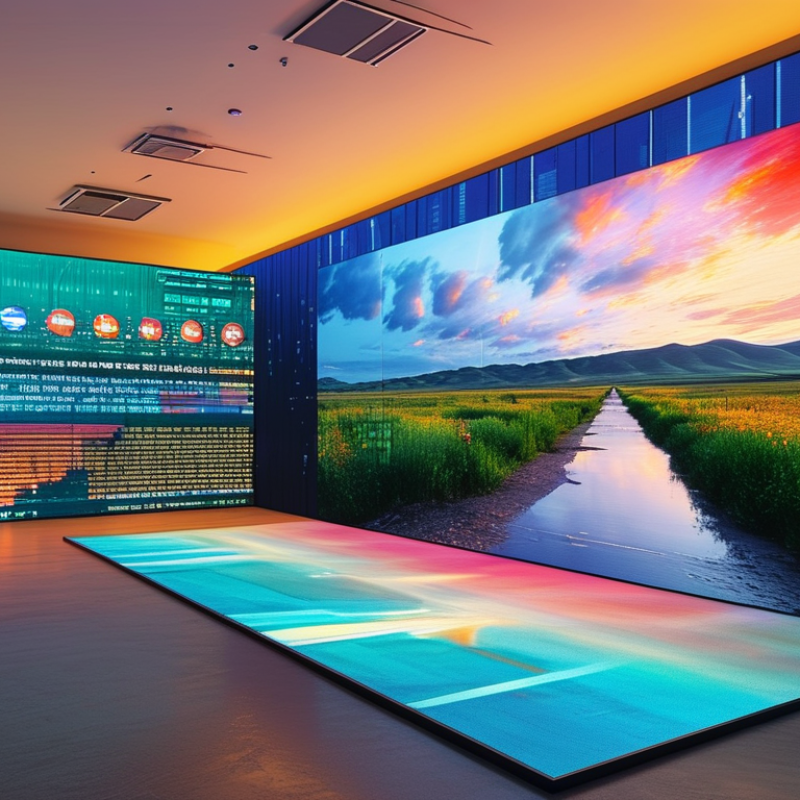
What is a LED Video Wall?
A LED video wall is a large display made up of multiple LED panels. These panels work together to create a high-definition visual experience. The technology behind LED walls enables them to produce bright, vibrant colors that enhance storytelling and engagement. According to industry reports, the global LED video wall market is expected to grow significantly, projected to reach $15 billion by 2026. This showcases the increasing demand for immersive visual solutions in various sectors.
Organizations utilize LED video walls for events, advertising, and presentations. Their versatility allows for seamless integration in any environment. For instance, a corporate event uses a large LED wall to display real-time data and visuals, capturing audience attention. The appeal lies not only in size but in the display’s clarity and brightness. Interestingly, while costs have decreased, some implementations still suffer from technical challenges such as pixelation or color uniformity issues. These shortcomings can detract from their intended impact.
Moreover, LED video walls can be a source of frustration if not installed properly. Poor installation may lead to uneven brightness or connectivity issues, affecting overall performance. Regular maintenance and updates are essential for optimal operation. Choosing the right configuration can also be daunting, as different venues may require customized solutions to realize their full potential. Addressing these challenges is crucial for ensuring that LED video walls fulfill their promise of enhancing visual experiences.
What is a Led Video Wall and How Does It Enhance Visual Experiences?
| Dimension |
Description |
Benefits |
| Display Resolution |
The number of pixels that make up the screen image, typically measured in pixels per inch (PPI) or total pixel count. |
Higher resolutions provide clearer and sharper images, enhancing viewer experience. |
| Color Accuracy |
The ability of the display to reproduce colors correctly, usually measured by color temperature and spectrum. |
Improved color accuracy results in more realistic and vibrant visuals for better engagement. |
| Viewing Angle |
The maximum angle at which the display can be viewed while maintaining image quality. |
Wide viewing angles ensure that a large audience can enjoy the content without distortion or loss of quality. |
| Screen Size |
The physical size of the video wall, which can vary significantly based on installation requirements. |
Larger screens can better capture attention and convey messages more effectively in large venues. |
| Brightness |
The amount of light emitted from the display, typically measured in nits (cd/m²). |
Higher brightness levels improve visibility in different lighting conditions, ensuring content is seen clearly. |
The Technology Behind LED Video Walls
LED video walls have transformed the visual landscape in various industries. The technology employs modular panels with millions of light-emitting diodes that can display high-resolution imagery. This results in vibrant colors and sharp details that captivate audiences. According to the industry report by MarketsandMarkets, the global market for LED displays was valued at approximately $12.9 billion in 2022 and is projected to reach $24.1 billion by 2029.
These sophisticated systems support a wide range of applications, from live events to retail displays. The modular nature allows for various configurations, creating immersive environments. One intriguing aspect is the use of advanced technologies, such as HDR (High Dynamic Range), which enhances contrast and color accuracy. However, despite these advancements, the calibration process can be complex and time-consuming, requiring expert knowledge to achieve optimal performance.
Environmental factors play a significant role as well. For instance, ambient light can hinder visibility and affect viewer experience. While LEDs are energy-efficient, improper installation could lead to overheating issues, impacting longevity. Such challenges highlight the need for continuous improvement in both design and implementation. Addressing these issues can enhance the user experience and ensure the technology meets evolving demands.
Key Features and Benefits of LED Video Walls
LED video walls are gaining traction in various sectors, from entertainment to corporate settings. Their key features offer significant advantages. The high-resolution display capabilities of LED technology ensure vibrant colors and sharp images, creating impactful visuals. Data suggests that a well-implemented LED wall can enhance audience engagement by up to 70%, showcasing its effectiveness.
Moreover, LED video walls provide versatility in design and functionality. They can be configured in different shapes and sizes, fitting various locations seamlessly. According to industry insights, about 90% of event planners noted improved attendee experiences when using LED walls. These walls can also adapt in brightness, accommodating various lighting conditions without losing image quality.
However, challenges exist. Initial installation costs can be high, which may deter some organizations. Additionally, maintenance requires expertise to ensure longevity. Regular updates and technological advancements might push older installations to become outdated quickly. While the benefits are evident, considering both sides leads to informed decisions.
Applications of LED Video Walls in Various Industries
LED video walls are transforming various industries by enhancing visual experiences in unique ways. For instance, in retail, these walls create dynamic displays that capture attention. According to a report by MarketsandMarkets, the global LED display market is projected to reach $25 billion by 2026. This rapid growth highlights their effectiveness in advertising. Retailers can showcase vibrant graphics and engage customers, leading to increased foot traffic.
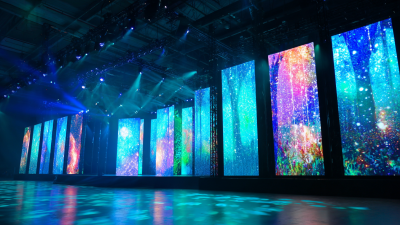
In the entertainment sector, LED video walls enhance live events and concerts. High-resolution screens bring performances to life, providing an immersive experience. The demand for LED displays in entertainment is surging, with an expected growth rate of 10% annually. A case study from an international music festival showed that attendee engagement peaked with prominent displays. However, the integration of these technologies comes with challenges, such as energy consumption and maintenance costs.
Transportation hubs also benefit from LED video walls. Airports and train stations use them for information dissemination. Displays show real-time updates, making navigation easier. A recent survey showed that 78% of travelers prefer information presented visually. Yet, the constant need for updates can lead to operational hurdles. Implementing a reliable content management system is essential, as inconsistencies may lead to traveler frustration.
How LED Video Walls Transform Visual Engagement Experiences
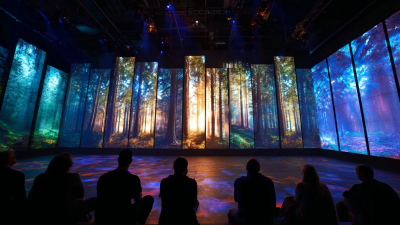
LED video walls have revolutionized the world of visual engagement. These large displays offer vibrant colors and sharp images that can captivate any audience. Events, concerts, and exhibitions benefit from their immersive nature. People find themselves drawn in, creating moments that are more memorable and impactful.
When considering LED video walls, flexibility is key. They can be customized in size and shape, accommodating various venues. Installers often focus on optimal viewing angles to enhance audience experience. This customization can be a double-edged sword. It requires careful planning to avoid costly mistakes in dimension and layout.
Tips: Ensure the resolution is suitable for your specific viewing distance. High resolution is essential for close-range viewing. Additionally, think about content; quality visuals enhance engagement significantly. Keeping backups of your files can help avoid last-minute tech issues. Successful displays require both technical and creative insights, leading to a potent combination for unforgettable experiences.

 +86-750-3598205
 CONTACT NUMBER