+86-750-3598205


Choosing an LED display screen is less about chasing the brightest panel and more about matching its design to a real viewing environment. A shop window, conference room, stadium, and outdoor billboard each place different demands on brightness, pixel pitch, viewing distance, and weather protection. Small details matter. The right screen can make text clear from across a busy hall; the wrong one can turn fine graphics into a field of visible dots.
LED display systems engineer Daniel Wu captures a useful rule of thumb: “Start with viewing distance and environment; the right display type follows.” This guide explores ten common types, including indoor, outdoor, rental, transparent, flexible, fine-pitch, and all-in-one LED displays. Each serves a different purpose, and product labels do not always tell the full story. A “high-resolution” model may still be unsuitable for a sunlit façade or a close-up studio set.
The comparisons ahead consider where each screen works best, what buyers should check, and which trade-offs deserve attention. Look beyond the product name. Ask how the display will be installed, viewed, serviced, and used over time. Even a careful checklist has limits; unusual spaces may need an on-site assessment. That extra step can prevent an expensive mismatch.
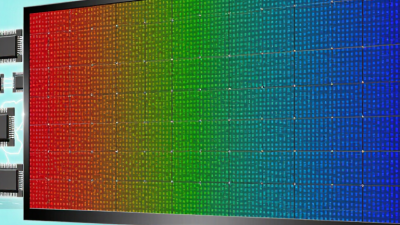
An LED display screen is built from many small modules rather than one continuous panel. Each pixel contains red, green, and blue light-emitting diodes. By adjusting their output, the screen creates different colors. Pixels sit on a circuit board, while driver chips control their brightness and timing. Power supplies provide stable voltage, and a control system sends image data to the display.
The cabinet holds the modules in place and helps protect electrical connections. In operation, driver circuits switch LEDs rapidly, often scanning groups of rows to reduce wiring and power demands. Pulse-width modulation can vary how long an LED stays lit, shaping perceived brightness. The process is fast, but not magic. A loose connector may create a dark patch, while uneven calibration can make neighboring modules look mismatched. That matters.
Pixel pitch—the distance between pixel centers—affects detail and viewing distance. A fine-pitch screen can show sharper text up close, but it needs precise assembly and careful adjustment. Refresh rate, brightness, and viewing angle also influence what people see. Camera footage can reveal flicker that is hard to notice by eye. Specifications help, yet installation conditions matter too: ambient light, ventilation, and viewing position all change the result. The structure is modular, but performance depends on how well its parts work together.
Representative pixel-pitch examples for common LED display types
Pixel pitch is the distance between neighboring pixels, measured in millimeters. A smaller pitch generally supports sharper images at closer viewing distances. Values shown are representative examples; actual specifications vary by product and application.
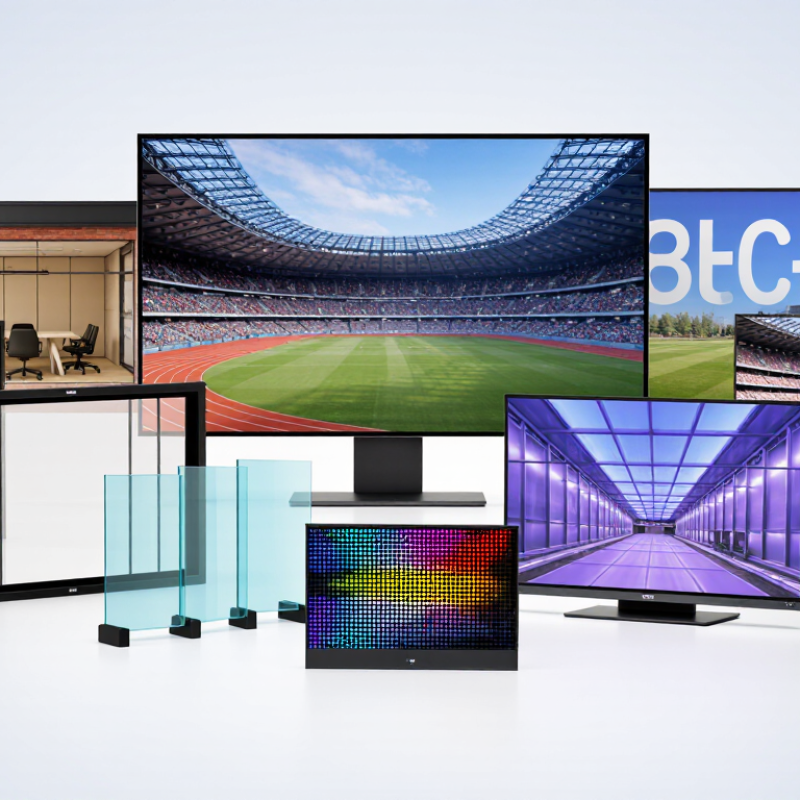
LED screens are chosen by setting, viewing distance, and installation needs. Indoor LED screens suit lobbies and control rooms, where viewers may stand close. Outdoor screens use brighter output and weather-resistant cabinets. Fine-pitch screens reduce visible gaps between pixels. Transparent screens preserve sightlines through glass, while flexible screens curve around columns or stages. Some bend. Rental and stage screens use modular panels for temporary events. Sports screens line arenas and scoreboards, where motion and visibility matter.
Billboard screens deliver large-format messages outdoors; mobile LED screens bring displays to vehicles or event trailers. Interactive LED screens respond to touch or other input, making them useful for exhibits and collaborative spaces. These categories can overlap: a sports display may also be an outdoor screen. That distinction is easy to miss.
Bright, but costly. A high-resolution wall can look impressive, yet be unnecessary when viewers stand far away.
LED screens vary in pixel spacing, cabinet shape, brightness, and installation method. Indoor fine-pitch displays use tightly packed pixels for close viewing, while outdoor screens need brighter output and weather-resistant cabinets. Rental panels are lightweight and quick to assemble. Transparent, flexible, mesh, perimeter, poster, all-in-one, and microLED screens serve more specialized spaces. Their designs solve different problems, not the same one.
Performance depends on the setting. A screen across a sunny plaza needs strong brightness; a control-room display benefits from fine detail at short distance. Grand View Research’s 2024 LED Display Market report estimated the global market at US$7.6 billion in 2023 and projected an 8.5% compound annual growth rate through 2030. That growth signals demand, but it does not prove any one type is best. Specifications can also look better on paper than in a bright, busy venue. A useful reminder.
Tips: Check viewing distance, ambient light, service access, and content before choosing. Ask for a live demonstration with your own footage. Pixel pitch alone is not a buying decision.
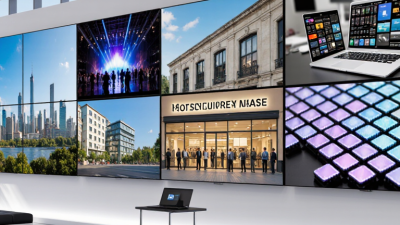
Indoor LED displays are common in conference rooms, retail stores, museums, control centers, and event halls. Fine-pitch video walls keep text and product details clear at close range. Larger-pitch panels often suit lobbies and stages viewed from farther away. A screen that looks sharp in a showroom may feel harsh under office lighting. Test it in the actual room.
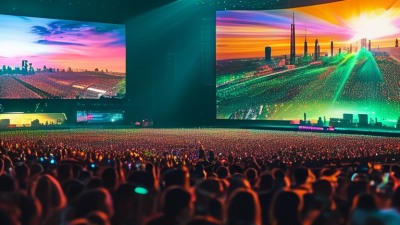
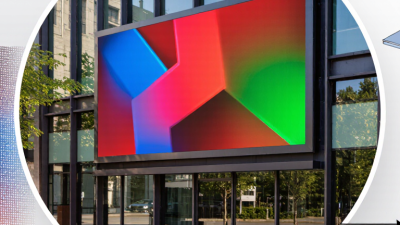
Outdoor LED screens appear on building facades, roadside information boards, sports venues, transit hubs, and open-air festivals. They need enough brightness for daylight, along with suitable weather protection, drainage, and secure mounting. Viewing distance matters: extra resolution can raise costs without helping viewers across a plaza. Check visibility at different times of day, not only at noon. Rain changes things.
Transparent LED displays can add moving information to glass storefronts while preserving some visibility through the window. Rental panels are useful at concerts and temporary events, where crews need to assemble and service screens quickly. Stadium perimeter displays must remain readable from varied seating angles. Plan for maintenance access and cable routing before installation; these details are easy to overlook. Content also matters. Small text can disappear on a large screen, especially in bright outdoor settings.
| LED Display Type | Typical Location | Common Applications | Typical Characteristics |
|---|---|---|---|
| Fine-Pitch Indoor LED | Control rooms, meeting rooms, studios, and premium indoor venues | Detailed presentations, monitoring, broadcast backgrounds, and close-viewing digital signage | Small pixel pitch—often around P0.9 to P2.5—supports detailed images at relatively short viewing distances. Requires careful installation and calibration. |
| Indoor Commercial LED | Retail stores, shopping centers, lobbies, and indoor public spaces | Promotional content, wayfinding, brand-neutral information displays, and in-store advertising | Designed for indoor lighting and regular viewing distances. Pixel pitch and brightness are selected according to screen size and room conditions. |
| Outdoor Fixed LED | Building exteriors, roadside structures, and public squares | Outdoor advertising, public information, event announcements, and community messaging | Built for outdoor exposure, with weather-resistant construction and higher brightness than most indoor screens. Installation and operation must account for local regulations. |
| Rental and Stage LED | Concerts, conferences, exhibitions, and temporary event sites | Stage backdrops, live-video walls, event graphics, and presentation screens | Modular panels are designed for repeated assembly and disassembly. Indoor or outdoor versions are available, with specifications chosen for the venue and viewing distance. |
| Transparent LED | Glass storefronts, atriums, and selected building facades | Window advertising, architectural media, and displays where some visibility through the screen is desired | Open construction allows light and partial sightlines to pass through. Image appearance and transparency depend on the panel design, content, and viewing conditions. |
| LED Mesh or Media Facade | Large building exteriors, stadium facades, and architectural structures | Large-scale architectural visuals, event lighting, and facade-based media presentations | Mesh-like modules can reduce wind loading compared with a solid display surface. Visibility and image detail vary with pixel spacing and viewing distance. |
| Mobile LED Display | Vehicles, trailers, and temporary roadshow locations | Mobile advertising, campaign information, outdoor events, and emergency or public-service messages | Mounted on a movable platform, allowing the screen to be brought to different locations. Power, safe positioning, transport, and operating permissions need to be considered. |
| Sports Perimeter LED | Along the edges of sports fields and courts | Rotating sponsor messages, event graphics, and venue information | Typically installed in modular sections and configured for visibility around the playing area. Protective padding or covers may be used where required by the venue and sport. |
| LED Ribbon or Scoreboard Display | Arenas, stadiums, and indoor entertainment venues | Scores, statistics, schedules, announcements, and continuous perimeter content | Long, narrow formats suit information or graphics arranged in a horizontal band. Content layout and viewing distance influence the appropriate pixel pitch and screen height. |
| Creative-Shaped LED | Exhibition spaces, entertainment venues, and architectural installations | Cylindrical, curved, spherical, or other custom visual displays | Uses shaped or flexibly arranged modules to create non-rectangular forms. Design, maintenance access, content mapping, and viewing angles require project-specific planning. |
Note: These categories describe common display formats and uses; they can overlap. Suitable pixel pitch, brightness, weather protection, and installation requirements depend on the specific site and viewing conditions.
Choosing among fine-pitch indoor, outdoor, rental, transparent, flexible, floor, mesh, stadium, poster, and all-in-one LED screens starts with viewing conditions. Measure the usual audience distance before comparing pixel pitch; a finer pitch can sharpen close-up text but raises cost. Pixels matter. For a lobby viewed from two meters, small lettering needs tighter spacing than a screen above a distant field.
Brightness should match ambient light, not simply reach the highest number on a specification sheet. Outdoor screens need weather protection, while indoor displays may benefit more from accurate color and comfortable brightness. Check refresh rate with a phone camera if the screen will appear in video; visible flicker can undermine otherwise clear footage. Contrast, grayscale performance, and viewing angle also affect how images look from the side. A demo in a dim showroom may not reflect a sunlit storefront.
Installation and maintenance deserve equal attention. Ask how technicians access modules, power supplies, and cables, especially for large or curved installations. Compare power consumption at typical operating brightness, not only peak output. Rental screens need quick assembly and secure connections; transparent screens trade image density for visibility through the display. A specification sheet can mislead. Test sample content at the actual viewing distance, and leave room for uncertainty: real lighting, mounting angles, and content quality can change the result.