10 Best Modular Booths for Trade Shows?
Trade shows are becoming more competitive, measurable, and visually demanding. UFI’s Global Exhibition Barometer reports that the exhibition market has continued recovering toward pre-pandemic activity levels. CEIR research also shows that exhibitors increasingly evaluate events through attendance quality, lead generation, and business outcomes. A Modular Booth must support all three goals.
The best designs do more than create a polished backdrop. They guide visitors from the aisle to a product demonstration, meeting counter, or quiet conversation area. Think of adjustable walls, hidden storage, branded lighting, and cable-free screens. Freeman’s former CEO Bob Priest-Heck, an exhibition-industry veteran, described the direction clearly: “The future of events is not either/or. It’s both/and.” A strong Modular Booth combines physical presence with digital follow-up.
This guide examines ten leading options through practical criteria, including transport weight, reusability, setup time, structural flexibility, and total ownership cost. Some booths look impressive in photographs but feel cramped after two hours on the show floor. That matters. It can affect staff energy, visitor movement, and lead quality. No booth wins every brief. That is easy to forget.
The selection also considers real operating details. Can one team assemble it without constant contractor support? Does the graphic system survive repeated packing? Can the layout change for a 10-by-20-foot space? These questions are less glamorous, but they reveal long-term value. Readers should still verify local venue rules, fire requirements, shipping limits, and supplier claims before buying. Data helps. Experience decides.
What Are Modular Trade Show Booths?
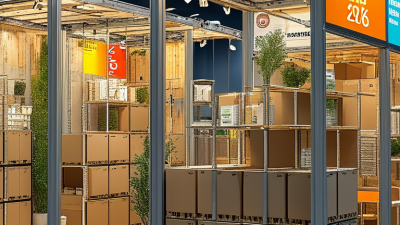
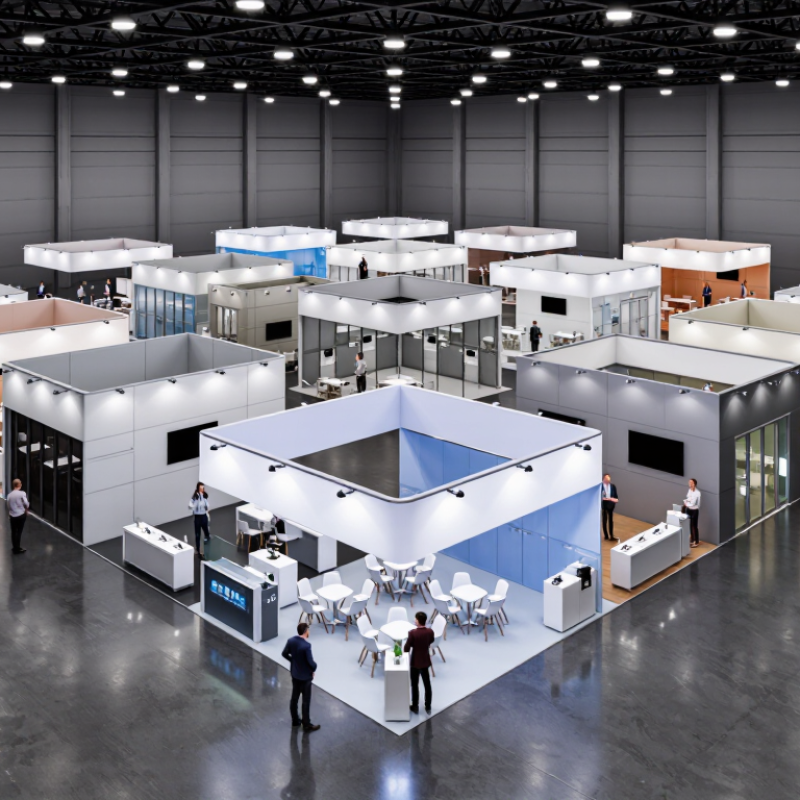
Modular trade show booths are exhibit systems built from reusable parts rather than one custom structure. Frames, graphic panels, counters, lighting, shelves, and storage connect in planned combinations. Their layouts can expand, shrink, or change after the event. This flexibility helps exhibitors fit different floor spaces without rebuilding everything. In practice, aluminum frames and fabric graphics often make transport easier, but they are not weightless. A packed booth still needs careful handling.
A well-designed modular booth begins with the visitor journey. Clear sightlines should lead people from the aisle to a conversation area, product display, or demonstration point. Graphics need readable headlines, useful evidence, and enough empty space. Overloading every panel weakens the message. Experienced exhibit teams also check ceiling heights, electrical access, venue safety rules, and deadlines before production. Small oversights can create expensive changes onsite.
The strongest modular options balance appearance, function, and repeat use. Look for tool-light assembly, stable connections, replaceable graphics, and accessible storage. Ask how the structure performs after several installations, not just on opening day. A booth may look impressive in a rendering yet feel cramped in person. That gap deserves honest testing. Walk the planned route at eye level, measure staff movement, and invite an outside reviewer. A practical choice is not always the most dramatic one. Maybe that is the point.
Key Criteria for Evaluating the Best Modular Booths
10 Best Modular Booths for Trade Shows
Key Criteria for Evaluating the Best Modular Booths
Choosing among the 10 best modular booths requires more than attractive graphics. Start with structural quality, transport weight, and assembly time. A reliable frame should feel rigid when staff attach lights or shelves. Measure twice. Look underneath. Check connector strength, base stability, and published load ratings. Clear instructions and labeled components also reduce setup mistakes during a busy exhibition morning.
Practical experience reveals hidden costs. A booth may look affordable until storage cases, replacement panels, flooring, and installation labor appear in the quotation. Compare the complete ownership cost, not only the purchase price. Ask whether damaged parts can be replaced individually. Confirm warranty terms in writing. Strong suppliers provide material specifications, cleaning guidance, and realistic delivery timelines. Their advice should match documented performance, not vague promises.
Visitor experience deserves equal attention. Choose layouts with open sightlines, comfortable conversation areas, and accessible paths. Harsh lighting can make a polished display feel unpleasant. Test graphics under the venue’s lighting conditions. I have seen teams prioritize height and sacrifice useful storage. That choice often creates clutter behind the counter. A smaller booth can perform better when every shelf, screen, and meeting seat has a clear purpose. Review the design with installation staff before approval. Their criticism may expose weaknesses that a sales presentation hides.
Ten Modular Booth Designs for Different Exhibitor Needs
10 Best Modular Booths for Trade Shows?
Modular booths suit different exhibitor needs because panels, counters, lighting, and graphics can be rearranged. UFI’s Global Barometer reported that 61% of companies expected exhibition turnover to increase in 2024. That optimism raises the pressure to use space wisely. A practical booth should guide visitors, support staff, and survive repeated installation.
Design one
is a compact counter booth for startups with limited space.
Design two
adds a backwall and lockable storage for product demonstrations.
Design three
uses a meeting pod for private sales discussions.
Design four
creates an open corner layout for high visitor traffic.
Design five
adds a raised tower for long-distance visibility.
Design six
uses suspended signage where floor space is expensive.
Design seven
includes a reception desk and two stools for quick conversations.
Design eight
builds a small theater for scheduled presentations.
Design nine
combines shelves with focused lighting for physical samples.
Design ten
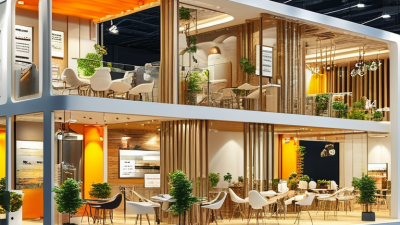
creates a hybrid layout with a screen, lounge, and lead-capture station.
Exhibitor surveys often show that face-to-face events remain valuable for relationship building and qualified conversations. Freeman’s 2023 Trends Report found that 81% of attendees considered in-person events more effective for building trust. Still, numbers do not guarantee performance. A beautiful booth can feel awkward if visitors cannot find the entrance. Test the walking route with real staff before shipping. The smallest storage mistake can become highly visible. Fresh graphics help, but clear spacing usually matters more.
How Modular Booths Compare in Features, Costs, and Flexibility
10 Best Modular Booths for Trade Shows: How Features, Costs, and Flexibility Compare
The best modular booths balance reusable frames, adjustable graphics, lighting, counters, and storage. They also reduce installation time. UFI’s 2024 Global Exhibition Barometer reported that 52% of surveyed companies expected 2024 turnover to exceed 2019 levels. That recovery makes adaptable booth systems more valuable for recurring events. A ten-booth shortlist should include backlit walls, hanging signs, meeting pods, product shelves, open corners, and compact inline designs. Features matter, but floor access matters too.
Costs vary by material, size, shipping distance, labor, and rental terms. Aluminum frames usually offer lighter handling and repeated use. Custom graphics add visual impact, yet replacement costs can surprise smaller exhibitors. CEIR research on face-to-face marketing has consistently shown that exhibitors value personal interaction highly, but a beautiful booth cannot repair weak staffing or unclear messaging. That is an uncomfortable point. Flexibility also has limits. A reusable 10-by-20-foot system may not fit every venue or brand story.
Tips: Request a three-event cost comparison. Include freight, storage, setup, dismantling, and graphic replacement. Test the booth with real products before approval. Leave clear walking space near the entrance. Measure lighting at eye level, not only in drawings. Ask for fire-rating documents and venue compatibility in writing. A lower quote may become expensive after revisions. Get every assumption documented.
10 Best Modular Booths for Trade Shows? – How Modular Booths Compare in Features, Costs, and Flexibility
| Rank |
Modular Booth Type |
Typical Footprint |
Primary Features |
Estimated Purchase Cost* |
Estimated Rental Cost* |
Reconfiguration |
Setup Difficulty |
Best For |
| 1 |
Aluminum Frame System |
10 × 10 to 20 × 20 ft |
Lightweight extruded frames, interchangeable panels, shelves, counters, and hanging signs |
$4,000–$18,000 |
$2,000–$8,000 |
Excellent |
Low–Moderate |
Exhibitors that reuse the same structure across several shows |
| 2 |
Silicone-Edge Fabric Booth |
10 × 10 to 20 × 20 ft |
Dye-sublimated graphics, wrinkle-resistant fabric, clean seams, optional backlighting |
$3,500–$16,000 |
$1,800–$7,500 |
Excellent |
Low |
Brands that prioritize large visual graphics and fast updates |
| 3 |
Hybrid Modular Booth |
10 × 20 to 20 × 30 ft |
Combines fabric graphics, laminate panels, storage, meeting areas, and mounted displays |
$10,000–$35,000 |
$5,000–$16,000 |
Excellent |
Moderate |
Growing companies needing a premium appearance with adaptable layouts |
| 4 |
Portable Modular Panel Booth |
10 × 10 to 10 × 20 ft |
Folding or tool-free panels, molded cases, reusable graphics, and compact storage |
$2,000–$9,000 |
$1,200–$4,500 |
Very Good |
Low |
Small teams that travel frequently and need simple self-installation |
| 5 |
Backlit Modular Booth |
10 × 10 to 20 × 20 ft |
LED illumination, tension fabric graphics, illuminated counters, and high visibility from aisles |
$6,000–$24,000 |
$3,000–$11,000 |
Very Good |
Moderate |
Exhibitors competing for attention in crowded halls or low-light venues |
| 6 |
Modular Island Booth |
20 × 20 to 30 × 30 ft |
Open access from four sides, overhead signs, demo zones, storage, and multiple meeting points |
$18,000–$60,000 |
$9,000–$28,000 |
Excellent |
High |
Large exhibitors requiring traffic flow, demonstrations, and private discussions |
| 7 |
Modular Meeting-Room Booth |
20 × 20 to 30 × 40 ft |
Enclosed conference rooms, acoustic walls, reception areas, product displays, and lockable storage |
$25,000–$80,000 |
$12,000–$38,000 |
Good |
High |
B2B exhibitors conducting scheduled meetings or product consultations |
| 8 |
Double-Deck Modular Booth |
20 × 20 ft or larger |
Two-level meeting space, elevated branding, stair access, storage, and hospitality areas |
$50,000–$150,000+ |
$25,000–$75,000+ |
Good |
Very High |
Large-budget exhibitors seeking maximum usable space in a fixed footprint |
| 9 |
Sustainable Modular Booth |
10 × 10 to 20 × 20 ft |
Reusable frames, recyclable or rented components, low-waste graphics, and energy-efficient lighting |
$5,000–$22,000 |
$2,500–$10,000 |
Excellent |
Low–Moderate |
Organizations tracking material reuse, waste reduction, and environmental goals |
| 10 |
Rental-Ready Modular Booth |
10 × 10 to 20 × 20 ft |
Standardized components, short lead times, interchangeable graphics, lighting, furniture, and shipping cases |
$3,000–$14,000 |
$1,500–$7,000 |
Very Good |
Low |
First-time exhibitors or companies attending only a few events each year |
*Cost ranges are realistic planning estimates in U.S. dollars for the booth system, standard graphics, and basic accessories. Actual pricing varies by size, materials, custom design, lighting, furniture, shipping, installation, labor, venue rules, and show location. Costs generally exclude floor space, electrical services, internet, drayage, storage, taxes, and cleaning.
How to Choose and Configure the Right Modular Booth
10 Best Modular Booths for Trade Shows?
Choosing a modular booth begins with the show’s goals, not its appearance. Define the visitor action you want, such as booking a meeting or testing a product. Then measure the floor space, ceiling height, access points, and storage limits. Venue rules may affect lighting, suspended signs, materials, and electrical connections. Verify them before ordering.
A practical configuration usually includes a clear reception point, open sightlines, product displays, and a quiet meeting area. Use lightweight frames and replaceable graphics for repeated events. Add lockable storage behind the counter. Keep cables covered and walking paths wide enough for comfortable movement. Small details matter.
Do not overfill the space.
Experienced exhibit planners test the layout with a simple floor plan first. Place the largest structure, then check visitor flow from every entrance. A striking wall may attract attention but block conversation. That mistake is easy to miss in a digital mockup. Review lighting from eye level, not only from the screen. Ask staff to rehearse setup and dismantling, because a design that looks efficient may consume too much labor. I would also leave room for revision. Trade show needs change, and a booth built too rigidly can become expensive to adapt. Reliable suppliers should provide material specifications, installation guidance, and clear cost details. Their advice should match venue requirements, accessibility needs, and your team’s real capabilities.

 +86-750-3598205
 CONTACT NUMBER