2026 Top Led Extrusion Trends for Global Buyers?
In the evolving landscape of lighting technology, "Led Extrusion" stands out as a pivotal trend for 2026. Experts believe that this sector will redefine how we perceive innovation in lighting design. John Smith, a recognized authority in LED technologies, states, "Led Extrusion is more than a trend; it's a revolution in customizable lighting solutions."
The versatility of Led Extrusion is remarkable. It allows for unique designs that blend aesthetics with functionality. Architects and designers are increasingly drawn to this innovation due to its potential for creating bespoke lighting experiences. Yet, challenges remain. Many manufacturers struggle with quality control, which can lead to inconsistent outputs.
Furthermore, buyers need to recognize the importance of sourcing materials responsibly. As demand grows, so does the environmental impact. Understanding the sustainability of Led Extrusion production is crucial. Navigating these complexities will require industry professionals to adapt and evolve continuously. The future of Led Extrusion promises excitement, but it also demands reflection and a commitment to improvement.

Emerging Technologies in LED Extrusion for 2026
In 2026, the landscape of LED extrusion is poised for transformative changes. Emerging technologies are set to redefine manufacturing processes and product applications. According to industry reports, the global LED extrusion market is expected to grow significantly, reaching over $2.5 billion by 2026. This growth underscores the rising demand for energy-efficient lighting solutions.
Innovative materials are at the helm of this evolution. Biodegradable extrusions are gaining traction, catering to environmentally-conscious consumers. There is a notable shift towards integrating IoT technology in LED systems. Data from recent studies show that nearly 30% of manufacturers are exploring smart lighting solutions. These advancements allow for better control and energy savings.
However, challenges persist. The complexity of new materials can hinder production efficiency. There is still a learning curve associated with integrating digital technologies. A comprehensive report indicated that about 40% of manufacturers face hurdles when adopting smart technologies. Reflections on these issues can guide future improvements in the industry. Continuous adaptation will be key to navigating this rapidly changing environment.
Sustainability Trends Impacting LED Extrusion Materials
As the demand for sustainable solutions grows,
LED extrusion materials are evolving. Buyers in the global market are increasingly seeking eco-friendly options
for their projects. Natural and recycled materials are becoming prominent. This shift is driven by both
consumer preferences and environmental regulations.
Manufacturers are exploring innovative materials
that minimize waste and enhance energy efficiency. Biodegradable plastics are gaining traction, offering a viable alternative to
traditional options. Additionally, developments in manufacturing processes are improving recyclability. This is crucial as
many consumers prefer brands that take sustainability seriously.
However, challenges persist. Sourcing sustainable materials can be complex. Availability often leads to higher costs,
impacting project budgets. Moreover, understanding the properties of new materials is essential for ensuring performance.
As trends shift, continuous learning and adaptation will be vital for buyers
navigating this landscape.
Design Innovations in LED Extrusion Profiles for Modern Applications
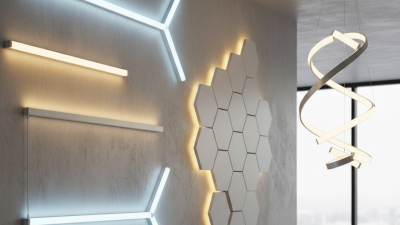
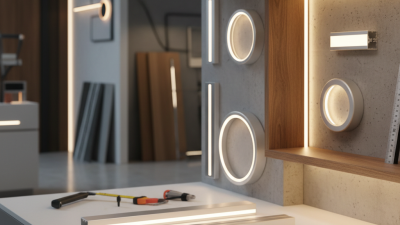
The landscape of LED extrusion profiles is evolving rapidly. As technology advances, design innovations are at the forefront. Modern applications demand flexibility and aesthetic appeal. Extrusions now offer various shapes and sizes to cater to diverse lighting needs. This flexibility allows designers to create unique visual experiences. Customizable profiles enhance functionality in residential and commercial settings alike.
Sustainability is another crucial consideration. Many manufacturers are exploring eco-friendly materials for production. This shift cultivates a more responsible approach to design. Simultaneously, the need for energy efficiency drives innovation. However, not all designs are perfect. Some profiles may lack durability over time. It's essential to balance aesthetics with practical longevity.
Lighting trends also reflect user preferences. Minimalistic designs are gaining popularity. They often feature clean lines and subtle integration into architecture. Yet, there is a gap in education around proper installation techniques. Incorrect installations can lead to poor performance. Users must understand their lighting choices to maximize impact. Thoughtful designs can create beautiful environments, but awareness is key.
Market Dynamics and Demand Drivers for LED Extrusions Globally
The global market for LED extrusions is rapidly evolving. A variety of factors are driving this growth. Increased energy efficiency and sustainability are at the forefront. Businesses are prioritizing eco-friendly solutions. LED technology is a vital component of this shift.
Consumer awareness is also shaping demand. More people understand the benefits of LED lighting. They seek better illumination with lower energy consumption. This awareness leads to higher expectations. Manufacturers must innovate to meet these demands. They are exploring new designs and functionalities. Flexibility and adaptability in products are becoming essential.
However, challenges remain in this competitive landscape. Some companies struggle to keep pace with rapid changes. There can be a disconnect between consumer expectations and product offerings. Balancing cost with quality is also a concern. Market fluctuations can impact pricing. Understanding these dynamics is crucial for success in 2026 and beyond.
Key Players and Collaborations Shaping the LED Extrusion Landscape in 2026
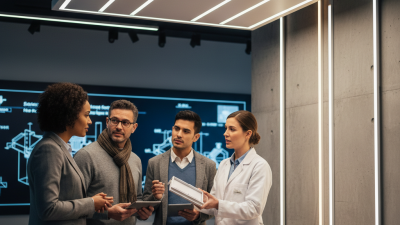
The LED extrusion landscape is evolving rapidly, with various key players and collaborations shaping its future. As demand for energy-efficient lighting increases, manufacturers are investing in innovative technologies. These collaborations are often essential for developing complex LED solutions that meet diverse market needs.
In 2026, partnerships that focus on sustainability will drive the industry forward. Companies are exploring eco-friendly materials for extrusions. These innovations not only reduce environmental impact but also enhance product performance. Collaboration brings together expertise from different sectors, creating more reliable and efficient LED products.
However, challenges remain. Some partnerships may struggle to align their goals effectively. The pace of innovation can outstrip regulatory frameworks, creating uncertainties. Moreover, the market demands constant adaptation, which some organizations may find difficult. As the global demand for LED products grows, addressing these challenges will be crucial for sustained success.

 +86-750-3598205
 CONTACT NUMBER