How to Choose the Best Led Extrusion for Your Project?
Choosing the right LED extrusion can significantly impact your project outcomes. According to Jane Doe, a leading expert in the LED lighting industry, "The right extrusion enhances both function and design." Her insights highlight the importance of selecting appropriate materials and shapes for LED applications.
In your journey to find the best LED extrusion, consider the project's specific needs. Factors such as length, width, and installation methods play crucial roles. Poor choices can lead to dim lighting or inadequate heat dissipation. Each project's unique requirements deserve attention and thought.
Moreover, many overlook the significance of aesthetics. The right LED extrusion should complement overall design goals. However, achieving this balance can be challenging. Reflection on past projects often reveals lessons in material selection and aesthetics. Your experience matters. Make sure to apply insights from previous projects to guide your decisions on LED extrusion.
Understanding LED Extrusions and Their Benefits
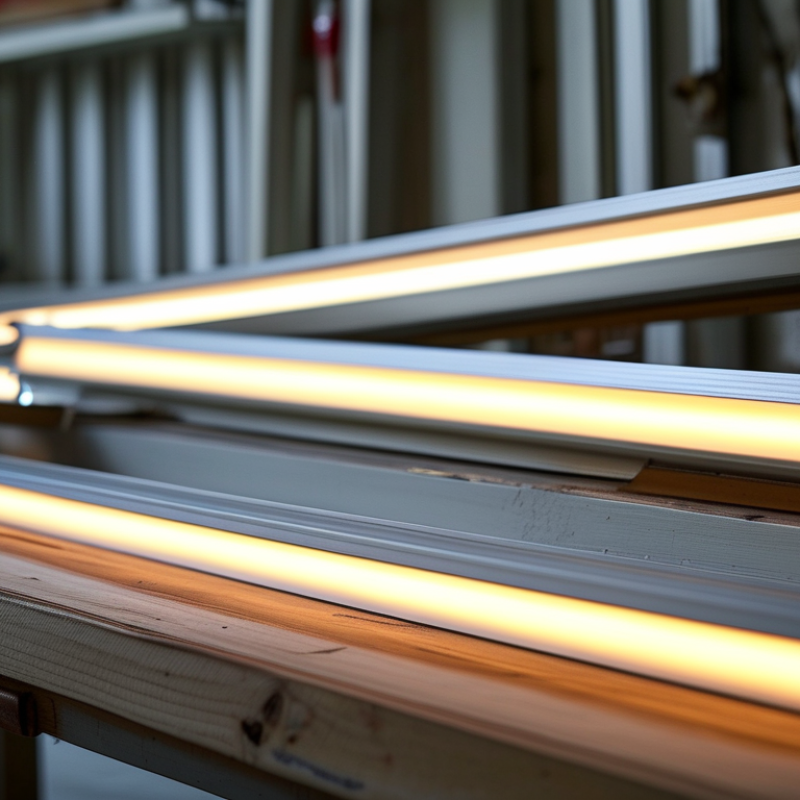
Understanding LED extrusions and their benefits can significantly enhance your project. LED extrusions offer a sleek design for lighting solutions. They are not just functional but also visually appealing. These extrusions protect LED strips and improve their lifespan.
One key benefit is heat dissipation. Good heat management keeps LEDs cool and prolongs their performance. When choosing, consider materials carefully. Aluminum is a popular choice due to its durability and efficiency. Also, ensure the extrusion fits the LED strip width.
Tip: Measure your space accurately. A small miscalculation can lead to improper fitting. Light quality matters, too; check for diffusion features. If the extrusion doesn’t diffuse light well, hotspots may appear. This can affect the ambiance of your space.
Thinking about installation? Be aware that some extrusions require specific mounting hardware. Prepare your tools in advance to avoid delays. Evaluate your design to see if you need clips or simple adhesive. Each project has unique needs and potential challenges. Embrace the process and learn along the way.
Identifying Your Project Requirements for LED Extrusions
When selecting LED extrusions, understanding your project requirements is essential. Many designers overlook the role of light distribution. Some projects require a more focused beam, while others benefit from wider illumination. According to the North American Lighting Research Center, over 30% of lighting projects fail to achieve desired luminosity due to improper extrusion choices.
Material selection also impacts durability and aesthetics. For example, aluminum is known for excellent heat dissipation. In contrast, acrylic offers a more refined look but may not withstand high temperatures. The National Institute of Standards and Technology suggests that the lifespan of LED fixtures can vary significantly based on these material choices, often ranging from 10,000 to 50,000 hours.
Many underestimate the importance of installation challenges. Proper mounting can significantly affect both function and appearance. A poorly installed extrusion may create shadow effects, leading to a loss of visual appeal. Moreover, it’s crucial to consider the power source. Voltage requirements can differ and affect the overall reliability of the lighting system. Always assess these factors and adapt your design. This reflection can lead to better results in your lighting project.
Key Factors to Consider When Choosing LED Extrusions
When selecting LED extrusions, consider the design and aesthetic integration. The shape and size of the extrusion matter. A sleek, modern design can enhance a minimalist space. Meanwhile, larger extrusions may create a bold statement. Think about how the lighting will interact with surrounding elements. Will it blend or stand out? This interaction can significantly affect the overall ambiance.
Reflect on the application of the LED strip. Different settings require distinct light outputs. For example, task lighting benefits from focused beams, while ambient lighting needs softer illumination. Choose an extrusion that suits both the LED strip's light profile and the intended use of the space. Pay attention to heat dissipation as well. Overheating can shorten the lifespan of LED lights. Ensure the extrusion has proper ventilation features.
Installation ease is another key factor. Some designs might complicate setup. Make sure the chosen extrusion fits your skill level. If DIY is not your strength, simpler options might work better. Consider the long-term maintenance as well. Some extrusions may require frequent cleaning or adjustments. Weigh these aspects carefully to make a well-informed decision.
Exploring Different Types of LED Extrusions
When selecting an LED extrusion, understanding the various types available is crucial. There are several options, each with specific benefits. For instance, surface-mounted extrusions are designed for flat surfaces. They offer a sleek appearance and are easy to install. Recessed extrusions fit snugly into surfaces, ideal for creating a flush look. These types can provide a streamlined appearance in modern designs.
Another important category is corner extrusions. These allow for creative illumination in tight spaces. They can help light up places that are otherwise challenging to reach. However, with different styles, it can be difficult to decide which option suits your needs best. Each type has its limitations and possibilities, making it essential to think critically about your project requirements.
Additionally, consider the heat dissipation of the extrusion. Some designs may not vent heat effectively, leading to reduced lifespan for the LEDs. Choosing an extrusion that enables proper heat management can prove beneficial. Often, users overlook this aspect, which may result in performance issues later on. Selecting the right type involves a balance between aesthetics and functionality.
Installation and Maintenance Tips for Your Chosen LED Extrusion
When selecting LED extrusions, installation is a key factor. Start by checking the dimensions of your space. Ensure the extrusion fits without causing clutter. Many projects require precise measurements for an ideal fit. It's often surprising how a small difference can impact the final look. Use a spirit level during installation; this simple tool can prevent a crooked appearance.
Maintenance is equally important. LED extrusions can accumulate dust and grime. Regular cleaning helps maintain brightness and longevity. Use a soft cloth dipped in mild soap and water. Avoid abrasive materials that might scratch the surface. Reflections can also be affected by dirt. In some cases, poorly maintained installations end up losing their appeal.
Lastly, think about accessibility. If your project is in a hard-to-reach area, consider the implications for future maintenance. Planning for access points can save time and frustration later. Many overlook this step, leading to difficult adjustments. It's essential to accept that perfection is hard to achieve, and sometimes, adjustments are part of the process.

 +86-750-3598205
 CONTACT NUMBER