What is Led Extrusion and How Does It Benefit Your Business?
Led extrusion is an innovative process that plays a crucial role in modern manufacturing. This technique involves shaping thermoplastics into various forms to create components for LED lighting systems. Companies that adopt led extrusion can enhance their product offerings significantly.
By utilizing led extrusion, businesses can produce high-quality lighting solutions more efficiently. This technology allows for precise control over the design and performance of LED products. The results often lead to better durability and improved aesthetics. Consumers increasingly demand sustainable and energy-efficient lighting options. LED extrusion meets this demand effectively.
However, businesses should also consider the challenges of this process. The initial investment can be substantial, and the learning curve may be steep. Companies must continuously innovate to stay competitive. Evaluating the long-term benefits against the initial hurdles is vital. In the rapidly evolving lighting industry, led extrusion can be a game-changer for those willing to invest in its potential.
What is Led Extrusion?
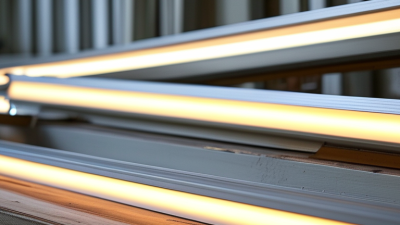
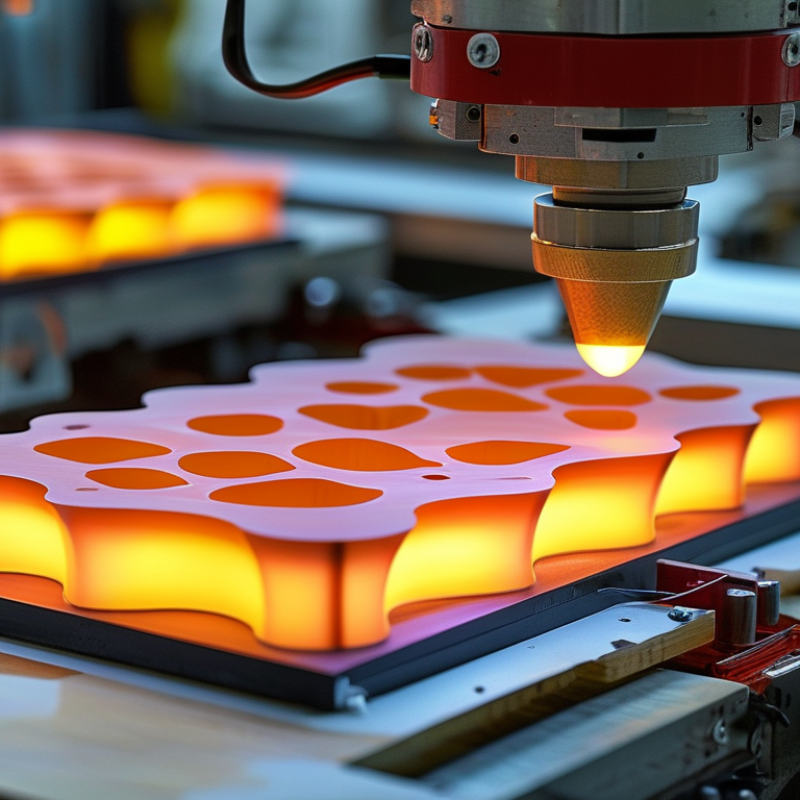
LED extrusion is a process that involves shaping LED lights through the use of specific materials. The extrusion process allows for the production of customized LED profiles. These profiles can be designed to fit various applications, enhancing the aesthetic and functional aspects of lighting designs. The materials used, often aluminum or polycarbonate, can provide durability and efficient heat dissipation.
In practical terms, LED extrusion offers versatility. For instance, architects can create sleek, integrated lighting solutions for modern buildings. Designers can use it to produce unique fixtures that enhance interior spaces. However, achieving the desired effects requires a deep understanding of both the technology and design principles. Mistakes in design can lead to inefficient lighting. Choosing the wrong profiles can result in less than optimal performance.
The reliability of LED extrusion processes hinges on quality control and proper execution. Gaps in production standards can lead to inconsistent results. Businesses must educate themselves about different materials and extrusion techniques. Engaging with experts can provide valuable insights. This approach ensures that the final products meet the specified standards for both aesthetics and functionality.
The Process of Led Extrusion Explained
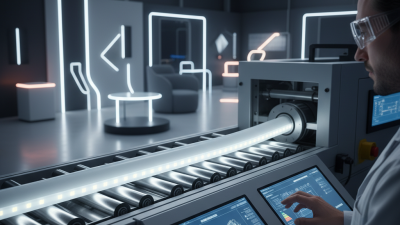
Led extrusion is a fascinating manufacturing process that involves shaping LED materials into various forms. This method entails heating and forcing materials through a die. The result? Custom profiles tailored to specific applications. The versatility of led extrusion allows businesses to create unique designs for diverse needs.
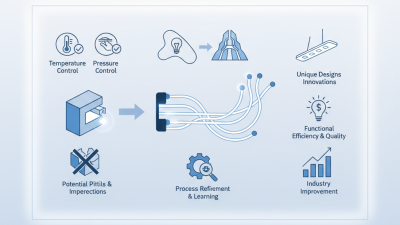
The process requires specialized equipment and expertise. It begins with selecting the right materials, often a type of thermoplastic. Once heated to a specific temperature, the material is pushed through the die. This is where the magic happens: it takes on the desired shape. However, achieving the perfect extrusion can be tricky. Variations in temperature and pressure can lead to defects. This is a crucial consideration for manufacturers.
Many businesses benefit from led extrusion. They can create efficient lighting solutions that save energy. Custom shapes enhance product appeal and functionality. Yet, not all designs work perfectly the first time. Reflection and adjustments are essential. Understanding the extrusion process' nuances can lead to improvements in production efficiency.
What is Led Extrusion and How Does It Benefit Your Business?
| Dimension |
Description |
Benefits |
| LED Type |
Different types of LEDs (SMD, COB, etc.) used in extrusion. |
Flexible design options for various applications. |
| Extrusion Material |
Materials like aluminum or plastic used for LED housing. |
Durability and lightweight for easy installation. |
| Production Process |
The method of melting and shaping materials to encase LEDs. |
Streamlined production for cost-efficiency. |
| Cooling Efficiency |
How well the extruded housing dissipates heat. |
Prolongs LED lifespan and improves performance. |
| Design Versatility |
Capability to create customized shapes and sizes. |
Enhanced aesthetic options for businesses. |
| Market Applications |
Industries that utilize LED extrusion (e.g., residential, commercial). |
Broadens market reach and consumer base. |
Key Advantages of Led Extrusion for Businesses
Led extrusion is a modern manufacturing process that shapes LED materials. This technique offers numerous advantages to businesses seeking innovative solutions.
One key advantage is flexibility in design. Led extrusion allows for various shapes and sizes, catering to specific needs. Businesses can create custom lighting solutions that enhance their products or spaces. The process is also cost-effective. By optimizing material usage, companies can reduce waste and lower production costs.
Tips: Experiment with different shapes. Analyze their impact on your product appeal.
Durability is another benefit. Led extrusions typically withstand harsh conditions. This longevity can lead to lower maintenance costs. Additionally, Led extrusion supports energy efficiency. The lights produced consume less power. This results in significant savings over time.
Tips: Evaluate the energy consumption of your current lighting solutions. Consider how Led extrusion can benefit your energy strategy. Embrace the potential for improvement while acknowledging the transitional challenges.
Key Advantages of LED Extrusion for Businesses
Applications of Led Extrusion in Various Industries
LED extrusion offers versatile applications across various industries. In architectural lighting, for instance, it's crucial. According to a report by the U.S. Department of Energy, LED lighting can save at least 75% of electrical energy. This efficiency not only reduces costs but also supports sustainability goals.
In retail settings, LED extrusion enhances product displays. Bright, uniform lighting attracts customers and enhances their shopping experience. Industry research indicates that well-lit displays can boost sales by up to 30%. This impactful lighting solution also leads to lower maintenance costs due to its long lifespan.
Manufacturing benefits significantly too. LED extrusion can illuminate workspaces, improving visibility and safety. The ability to customize lengths and intensities means businesses can adapt lighting to specific needs. However, reliance on LED technology requires regular checks and updates. Regular training for staff on proper usage is essential to maximize effectiveness. Without it, businesses risk underutilizing this technology.
Future Trends in Led Extrusion Technology
The landscape of LED extrusion technology is evolving rapidly. Businesses must keep an eye on emerging trends to capitalize on potential benefits. One significant trend is the move towards sustainable materials. By utilizing environmentally friendly substances, companies can enhance their green credentials. This shift appeals to eco-conscious consumers, promoting brand loyalty.
Another notable development is the advancement in customization options. Manufacturers can now offer tailored solutions to meet specific client needs. This flexibility not only increases customer satisfaction but also drives innovation in product design. However, the rapid pace of technology can also pose challenges. Companies may struggle to keep up with changes, risking obsolescence if they do not adapt quickly.
Integration of smart technology is another exciting trend. Smart LEDs equipped with sensors can enhance energy efficiency and performance. Such innovations can lead to significant cost savings. Yet, it is important to ensure that these technologies are user-friendly. Complex installations can deter businesses from adopting new systems. Overall, staying informed about these trends is essential for any business looking to thrive in the LED extrusion market.

 +86-750-3598205
 CONTACT NUMBER