Top China Best Led Display Screen for Global Buyers?
As the demand for high-quality visuals continues to rise, the search for the best LED Display Screen becomes critical. Global buyers face an overwhelming number of options. Each product claims to offer superior quality and performance. However, not all LED displays are created equal.
Emerging technologies in China have advanced the production of LED displays significantly. These advancements cater to different needs, from large outdoor advertising panels to high-resolution indoor screens. For instance, some screens are designed for bright sunlight, ensuring visibility in any environment. Others focus on video wall applications, delivering stunning visuals in vibrant colors.
Despite the advancements, buyers should approach this market with caution. Reviews and experiences matter. The reliability of a supplier is as vital as the product itself. Misleading marketing messages can lead to poor choices. Prospective buyers should verify claims and seek expert opinions. This careful approach ensures a wise investment in an LED Display Screen, aligning quality with budget and purpose.
The Evolution of LED Display Technology in China: A Brief Overview
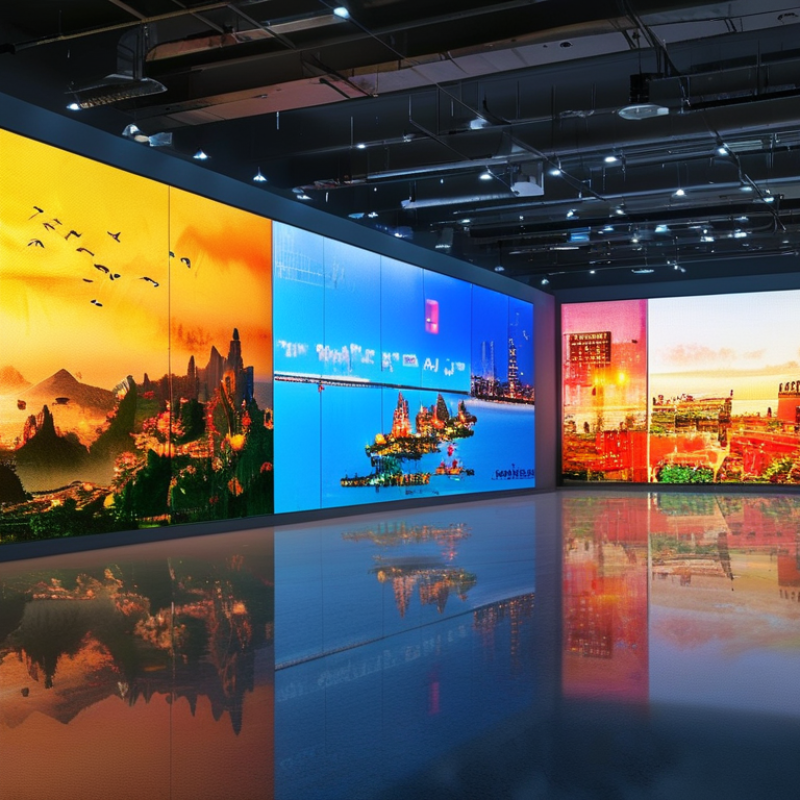
The evolution of LED display technology in China highlights significant advancements over the years.
Initially, early displays were bulky and costly, limiting their application.
As time progressed, materials improved and production techniques became more efficient.
This led to a noticeable decline in costs and an increase in display quality.
Today's LED screens are slimmer, lighter, and more versatile. They offer superior brightness and color accuracy.
China has become a global hub for LED manufacturing, thanks to its innovative designs and advanced technology.
However, challenges remain. Issues like quality control and environmental impact from production are ongoing concerns.
Manufacturers often struggle to maintain a balance between rapid growth and sustainable practices.
In the quest for perfection, not all products meet the same standards.
Some displays exhibit inconsistencies in performance. This poses risks for buyers seeking reliable solutions.
Continuous improvement in quality assurance processes is essential. As the market evolves, responding to consumer feedback will be crucial for maintaining competitiveness.
Key Players in the Chinese LED Display Market: Who's Leading the Charge?
The Chinese LED display market has witnessed remarkable growth, driven by technological advancements and increasing demand across various sectors. In 2022, the market size reached approximately $8 billion and is projected to expand at a compound annual growth rate (CAGR) of over 15% through 2027. Key players in the industry are investing heavily in research and development to enhance display quality and energy efficiency. Their presence not only influences production techniques but also shapes global trends.
However, navigating this dynamic landscape poses challenges. Domestic competition is intense, with many manufacturers trying to carve out their niche. Some companies focus on high-resolution displays, while others target cost-effective solutions. This leads to a significant variation in product quality, which buyers need to carefully assess. Industry reports indicate that consumer preferences are shifting towards products that offer both performance and sustainability.
When considering LED displays, prioritize those with proven reliability. Research technical specifications, especially brightness and color accuracy. It is also wise to seek user reviews and case studies from various sectors. Asking potential suppliers about their quality assurance processes can help mitigate risks associated with varying standards.
Comparative Analysis: China vs. Global LED Display Screen Standards
The LED display screen market is rapidly evolving, especially in China. Chinese manufacturers are known for their competitive pricing and innovative technologies. However, their products sometimes lack adherence to global standards. This inconsistency may create challenges for international buyers seeking reliability and quality.
Global LED display screens have established rigorous standards for performance, energy efficiency, and durability. Countries like the USA and Germany emphasize quality control and environmental regulations. Chinese products often excel in cost-effectiveness, but may fall short in areas such as lifespan and energy consumption under intense use. This disparity raises questions for buyers who must weigh affordability against long-term value.
As the market matures, there is a growing need for standardization from Chinese manufacturers. Many are beginning to realize the importance of aligning with global expectations. This alignment may enhance their credibility and appeal in international markets. Ongoing dialogues about standards and quality assurance are crucial to bridge gaps between regions. Understanding these differences will help buyers make informed decisions, but it also highlights the need for continuous improvement in product offerings.
Market Trends: Growth Projections for LED Displays in 2024 and Beyond
The LED display market is evolving rapidly. As we look to 2024, projections indicate significant growth. Demand for high-quality visuals in various sectors drives this expansion. Industries like retail, advertising, and entertainment are major contributors. These sectors increasingly rely on eye-catching displays to attract consumers.
Emerging technologies influence LED displays. Innovations in resolution and energy efficiency are notable. Many buyers seek displays that not only deliver vibrant colors but also minimize energy use. This trend shows a shift toward sustainability in the industry. However, challenges remain. Cost concerns and the need for technical expertise can complicate scaling for new buyers.
Market expectations are high, yet the space is saturated. New entrants must understand their target audience well. Differentiating products becomes crucial in a competitive landscape. Manufacturers and buyers alike need to adapt continuously. Feedback loops between them can lead to improvement in product offerings and overall satisfaction.
Performance Metrics: Evaluating LED Display Quality and Consumer Feedback
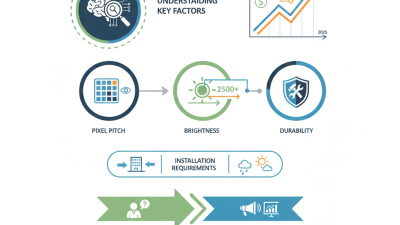
When evaluating LED display quality, performance metrics play a critical role. Resolution is a fundamental factor. High-resolution displays often feature pixel pitches under 2.5mm, which results in clearer images. According to a 2022 report by IHS Markit, over 70% of buyers prioritize resolution when selecting a display screen. This preference reflects the demand for crisp, vibrant visuals in various applications, from advertising to events.
Color accuracy is another key consideration. Displays should achieve at least 95% of the NTSC color gamut for realistic images. A study from DisplayMate emphasizes that accurate color representation enhances viewer engagement significantly. However, some LED screens struggle with color uniformity, leading to inconsistencies that can impact brand perception. This is an area needing improvement, as customer feedback often highlights dissatisfaction with color performance.
Durability remains a concern as well. LED displays are exposed to diverse environments, from indoor settings to outdoor settings with harsh weather conditions. The average lifespan of these displays is around 100,000 hours, as noted by the International Display Consortium. Buyers must consider factors such as brightness decay and susceptibility to environmental damage. While many manufacturers offer robust solutions, there are still gaps in quality assurance that buyers need to navigate carefully.
Top China Best Led Display Screen for Global Buyers
| Model |
Resolution |
Brightness (nits) |
Refresh Rate (Hz) |
Power Consumption (W/m²) |
Average Consumer Rating |
| Model A |
1920x1080 |
3000 |
60 |
250 |
4.5/5 |
| Model B |
1280x720 |
2000 |
60 |
200 |
4.0/5 |
| Model C |
3840x2160 |
6000 |
120 |
350 |
4.8/5 |
| Model D |
2560x1440 |
3500 |
75 |
300 |
4.6/5 |

 +86-750-3598205
 CONTACT NUMBER