+86-750-3598205


For global lighting buyers, selecting the right Led Extrusion profile involves more than comparing shapes, finishes, and prices. A suitable profile should protect the LED strip, manage heat, diffuse light, and support efficient installation. This guide presents ten practical options for residential, commercial, retail, hospitality, and architectural projects.
Real projects rarely follow catalog drawings exactly. Ceiling depth changes. Wall surfaces vary. Installers may need to cut aluminum on site, adjust diffuser lengths, or hide visible joints. Each profile in this selection is considered through practical criteria, including aluminum thickness, internal width, diffuser performance, mounting method, heat dissipation, and finishing quality. Experienced buyers should also check extrusion tolerances, LED compatibility, packaging protection, and supplier consistency across repeated orders.
Technical documents matter.
A polished surface can still conceal weak clips or uneven anodizing. A low price can also create replacement costs when diffusers yellow, bend, or fit poorly. No single Led Extrusion profile suits every application, and some recommendations remain professional judgment rather than absolute rules. Project humidity, installation access, lighting density, and local compliance requirements can change the final choice. Reliable suppliers should provide clear drawings, material information, test records, and responsive sample support. Buyers should verify these details before approving mass production. This overview aims to make that evaluation more structured, realistic, and easier to defend during procurement discussions.
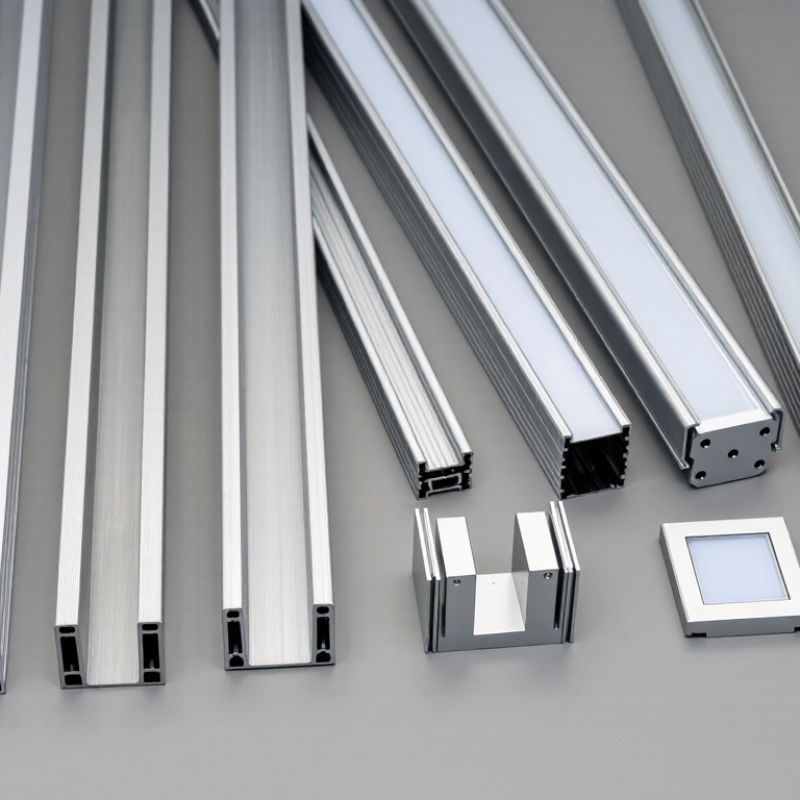
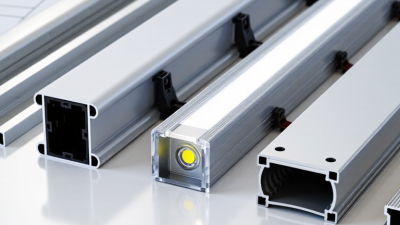
LED extrusion profiles are channels that hold, protect, and visually refine LED strip lighting. Most use anodized aluminum because it transfers heat away from the diodes. Heat matters. Excessive temperature can shorten strip life and reduce brightness.
A well-designed profile usually includes a diffuser, end caps, and mounting accessories. The diffuser softens harsh points and reduces glare on polished floors or kitchen counters. Clear covers preserve more brightness, while frosted covers create smoother lines. I have found that choosing the cover before checking the strip often causes poor results. The strip may fit, but the light can look uneven.
Profile dimensions also affect installation quality. A deeper channel can improve diffusion and hide wiring, while a narrow channel suits furniture edges. Measure the recess carefully. A difference of two millimeters can create visible gaps. For bathrooms or outdoor areas, buyers should examine sealing details and suitable protection ratings. However, a sealed profile does not automatically protect an unsuitable LED strip. Both components must match the environment.
Reliable selection also considers aluminum thickness, mounting strength, corner connections, and access for maintenance. Some profiles support suspended lighting, while others work better under cabinets or along stair edges. Testing a short sample is wise. Product drawings can miss practical problems, such as a diffuser that becomes difficult to remove after installation.
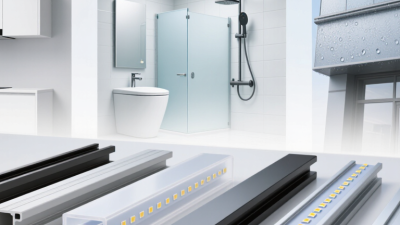
LED extrusion profiles solve different installation problems. The best choice depends on light direction, surface, heat, and maintenance access. Recessed profiles sit inside routed channels, creating a flush line in cabinets, walls, and ceilings. Surface-mounted profiles work where cutting is impossible. Corner profiles direct light across shelves and worktops. Suspended profiles create clean linear pendants over tables and counters. Slim profiles suit narrow joinery, but their smaller heat path may limit output.
Deep profiles place the LED strip farther from the diffuser. This reduces visible hotspots and creates smoother illumination. Waterproof profiles use sealed covers and end caps for kitchens, bathrooms, and sheltered outdoor areas. Their claimed protection still needs verification. Walk-over profiles use stronger housings for floors, stairs, and display platforms. Flexible profiles follow curves, arches, and rounded furniture. Tight bends can stress the strip. Heat matters. The ten practical types also include wide profiles, which support broader strips for stronger task lighting.
Trimless plaster-in profiles disappear beneath plasterboard, producing a continuous architectural line. They require accurate installation and careful finishing. In field projects, a common mistake is choosing a beautiful narrow channel too early. Service access often matters more after six months. Check strip width, wattage, thermal contact, diffuser transmission, and ingress protection before ordering. Samples under the actual ceiling finish can reveal shadows and color shifts that drawings miss. The most reliable specification is not always the most impressive one.
The Top 10 LED Extrusion Profile Types for Different Lighting Needs
The chart presents an indicative industry-reference suitability index from 1 to 10. Scores reflect the typical strengths of each aluminum LED extrusion profile in general illumination, accent lighting, and environmental protection. Actual performance depends on dimensions, diffuser design, LED strip output, installation method, and IP rating.
Choosing an LED extrusion profile starts with the project environment, not appearance. Aluminum offers strong heat dissipation and resists corrosion in many indoor and outdoor settings. Plastic profiles can reduce cost, but they may soften near heat sources. Check wall thickness, alloy quality, and load requirements before ordering. I have seen attractive profiles fail because thermal performance was ignored.
Shape affects both light output and installation. Recessed channels create a clean, architectural line, while surface-mounted profiles suit cabinets, ceilings, and furniture. Corner profiles can direct light across shelves or walls. Compare diffuser materials carefully. Frosted polycarbonate reduces glare and hides LED dots, but it also lowers brightness slightly. Clear diffusers preserve output, though visible hotspots may remain. Small details matter.
Tips: Request samples before placing a large order. Test the profile with your actual LED strip, diffuser, and power level. Measure the channel depth twice. Consider installation methods, including clips, screws, adhesive backing, and suspended fittings. Adhesive may fail on dusty surfaces or textured paint. Clips are more reliable, but they need accurate spacing. One imperfect assumption can create costly rework, so leave room for wiring, expansion, and future maintenance.
Top 10 LED Extrusion Profiles for Global Buyers
For international projects, profile selection starts with the installation environment, not appearance. The ten common options include surface, recessed, corner, pendant, plaster-in, trimless, floor, wall-wash, waterproof, and heavy-duty profiles. Each suits a different mounting condition. A recessed profile may disappear into a ceiling, while a floor profile needs stronger impact resistance and safer diffusion.
Energy performance also deserves careful checking. The U.S. Department of Energy reports that LED lighting can use at least 75% less energy and last up to 25 times longer than incandescent lighting. However, extrusion design affects real performance. Buyers should request LED strip wattage, measured lumen output, thermal testing, and diffuser transmittance. I would not trust lumen claims alone. Heat remains a frequent weakness.
Small details create expensive problems. Confirm aluminum alloy, wall thickness, anodizing quality, cutting tolerances, and connector compatibility. For humid areas, verify the complete assembly’s IP rating, not only the aluminum channel. IEC 60529 provides the widely used IP classification framework. Global buyers should also request photometric files, material declarations, installation instructions, and test reports from recognized laboratories. Check voltage, emergency-lighting compatibility, packaging strength, and replacement availability before ordering. A beautiful profile can still fail at customs or on site. That part is often overlooked.
| Rank | Profile Type | Typical Application | Common Material | Standard Finish | Typical Dimensions | LED Strip Compatibility | Diffuser Options | Typical Protection Level | Installation Method | International Project Suitability |
|---|---|---|---|---|---|---|---|---|---|---|
| 1 | Surface-Mounted Linear Profile | Under-cabinet lighting, shelves, wardrobes, furniture, and visible linear light lines | Anodized aluminum | Silver anodized; black and white powder-coated options | Approx. 17–20 mm wide × 8–12 mm high | Single-row LED strips up to approximately 12 mm wide | Opal, frosted, or clear polycarbonate | IP20 as standard; sealed versions may reach IP65 | Surface screws, clips, or strong mounting tape | Versatile and easy to specify |
| 2 | Recessed Flange Profile | Plasterboard ceilings, wall panels, cabinetry, and flush architectural details | Extruded aluminum | Natural anodized; powder-coated finishes available | Approx. 20–30 mm wide × 10–15 mm deep | Single-row strips up to approximately 12 mm wide | Opal or frosted diffuser for concealed light points | IP20; IP44–IP65 with suitable end caps and sealing | Recessed installation with side flanges or plasterboard accessories | Suitable for architectural interiors |
| 3 | Trimless Recessed Profile | Minimalist ceilings, gypsum walls, coves, and continuous architectural lighting | Aluminum with plaster-in flange | Primed or powder-coated installation flange | Approx. 25–60 mm visible width; 12–20 mm depth | Single-row or compact high-density LED strips | Opal diffuser designed for a seamless appearance | Generally IP20; higher ratings require project-specific sealing | Plaster-in or mud-in installation before final surface finishing | Best for premium interior projects |
| 4 | Corner or 45-Degree Profile | Kitchen corners, display cabinets, shelving, and indirect wall illumination | Anodized aluminum | Silver anodized; black and white finishes commonly available | Approx. 16–25 mm per side × 16–25 mm high | LED strips up to approximately 12 mm wide | Frosted or opal angled diffuser | IP20; sealed assemblies can be used in splash-prone areas | Surface mounting with clips, adhesive, or screws | Useful where directional light is needed |
| 5 | Deep Recessed Profile | Glare-controlled task lighting, offices, retail displays, and premium cabinetry | High-quality extruded aluminum | Natural anodized or powder-coated | Approx. 20–35 mm wide × 20–30 mm deep | High-density or high-output strips; often supports wider LED boards | Deep opal, frosted, or micro-prismatic diffuser | IP20; IP44–IP65 subject to sealing design | Recessed mounting with retaining brackets or channels | Good for glare-sensitive applications |
| 6 | Suspended Pendant Profile | Linear office lighting, hospitality spaces, retail interiors, and decorative pendants | Extruded aluminum housing | White, black, silver, or custom powder coating | Approx. 30–80 mm wide × 30–80 mm high | One or more LED strips or linear LED modules | Opal diffuser; direct, indirect, or dual-sided configurations | Usually IP20 for indoor use | Suspension cables, rods, or pendant mounting kits | Suitable for commercial interiors |
| 7 | Floor and Step Profile | Stair nosings, corridors, walkways, floor guidance, and low-level accent lighting | Heavy-duty aluminum | Anodized aluminum or textured powder coating | Approx. 20–45 mm wide × 10–25 mm high | Protected low-voltage LED strips suitable for compact channels | Impact-resistant frosted or opal polycarbonate | IP20–IP65 depending on location and sealing method | Recessed, surface-mounted, or integrated into stair components | Requires load and slip-resistance review |
| 8 | Outdoor Waterproof Profile | Facades, terraces, canopies, outdoor signage, landscape details, and wet areas | Anodized or powder-coated aluminum | Marine-grade anodizing or exterior powder coating | Approx. 16–30 mm wide × 10–25 mm high | Water-resistant LED strips with compatible width and thermal rating | UV-resistant opal or frosted polycarbonate | Typically IP65–IP67 when correctly sealed | Surface mounting with sealed end caps, gaskets, and cable entries | For exterior projects with sealing control |
| 9 | Bendable or Flexible Profile | Curved ceilings, columns, arches, round furniture, and non-linear light designs | Flexible aluminum or segmented aluminum | Silver anodized or project-specific finish | Approx. 15–30 mm wide × 8–20 mm high | Flexible LED strips matched to the profile's bend radius | Flexible opal or frosted diffuser | IP20; sealed flexible systems may achieve IP65 or higher | Surface or recessed installation according to bend direction | Ideal for curved design requirements |
| 10 | Double-Row or Wide Linear Profile | High-output general lighting, retail displays, workstations, and wide luminous surfaces | Large-section extruded aluminum | Natural anodized or powder-coated | Approx. 30–80 mm wide × 15–40 mm high | Two LED strips or wider LED boards, depending on internal width | Wide opal, frosted, or micro-prismatic diffuser | IP20 indoors; sealed designs may reach IP65 | Surface, recessed, pendant, or suspension installation | Suitable for high-output linear systems |
Top 10 LED Extrusion Profiles for Global Buyers
Selecting the Right LED Extrusion Profile for Each Application
The best LED extrusion is chosen by environment, not appearance alone. Recessed profiles suit clean ceilings, cabinets, and wall niches. Surface-mounted channels work well under shelves and along exposed beams. Corner profiles direct light across two planes. Pendant profiles support suspended linear lighting. Deep profiles reduce visible LED dots and soften glare.
For wet locations, select an extrusion with sealed end caps and a compatible diffuser. Outdoor projects also need corrosion-resistant aluminum and verified ingress protection. Floor channels require stronger covers and safe walking surfaces. Thermal design matters too. The U.S. Department of Energy’s 2023 Solid-State Lighting R&D Opportunities report highlights heat management as a continuing performance priority. The IEA’s Energy Efficiency 2023 report states that LEDs represented about half of global lighting sales in 2022. Efficient modules still need proper heat paths.
Tips: Match the diffuser to the visual task. Choose opal for uniform light and clear covers for higher output. Check the strip width before ordering. A 10-millimeter strip may not fit a narrow channel. For long runs, confirm aluminum length, connector spacing, and voltage drop. Ask for test samples. Photos can hide uneven diffusion, sharp edges, or weak clips. I have seen attractive profiles fail because installers could not access the mounting screws. That detail is easy to overlook. Temperature, cleaning chemicals, and local installation practice should also influence the final selection.